On February 11th, we celebrate the roles and importance of women and girls in science day. A day to promote the interest of girls in science and to celebrate the achievements and participation of women in different fields of science. Although this celebration should be all year and we should promote girls’ interest on science every day, this celebration is also a good opportunity to recognize all women that were and are a role model to me.
Some of these women are famous and others are not. All of them have contributed to science advance in different fields of science and at the same time seems to have balanced their personal lives too. Something that I still need to work more on. To all of them thank you for sharing you experiences with me in different ways.
Most of these women work with monkeys and communities living around monkey’s habitats and had dedicated their lives to conservation of monkeys and to preserve habitat where monkeys live and of which people living around depends on. Others work on forest conservation, in which monkeys live, but are more focused on the forest dynamics and threats around those forest.
To all women and girls coming behind me, known and unknown, my best advice is to follow your dreams. Sometimes those dreams change a little bit over time but there are still your dreams. Believe in yourselves and persist in what you want to achieve for your live. Plan your goals but also be aware that to achieve those dreams sometimes you need to deviate from your path for a while to go back and achieve those goals. Be realistic about your goals and sometimes divide them in small goals so you can achieve the big ones. Be persistent if those dreams really make you happy. And don’t stop from dreaming…
First, we want to apologize for our inconsistency this year with our blog. Our workload as well as Covid had impacted us even more this year, so we will be posting every fortnight for now. In today’s post we are going to talk about fire and why we are so worried about its implications.
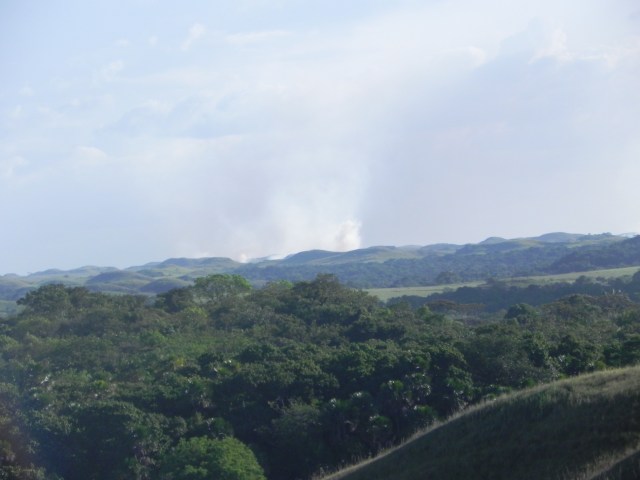
Past week and this one, we had heard some news in Colombia about the increase on fires in Orinoquia and Amazonian regions, including National Parks. In the Orinoquia region, this is the dry season and usually a time when most cattle ranchers use fire to open new pastures, a dangerous and traditional practice that seems to be increased in the past decade. This is aggravated by a land grabbing mafia that had increased in the deforestation arc of Orinoquia and Amazonian regions.
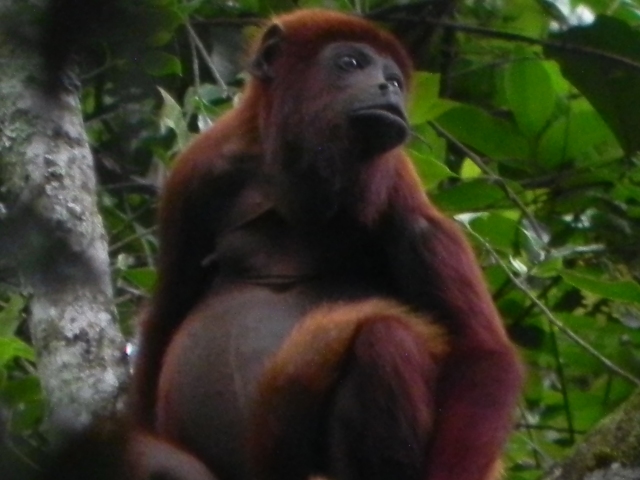
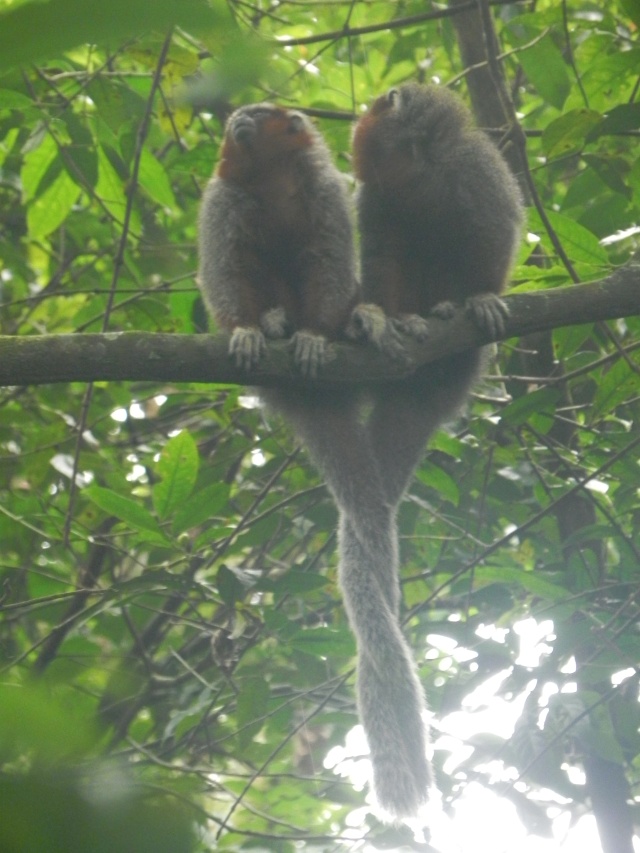
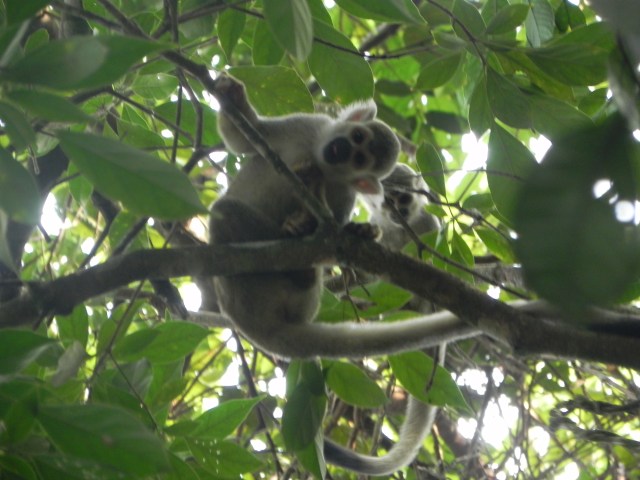
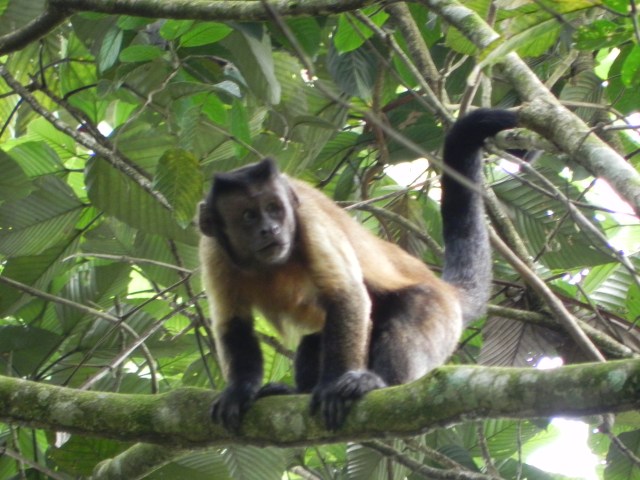
How is this affecting our monkey species? Zocay Project work with five species that are distributed on the deforestation arc of Orionoquia and Amazonian regions. With exception of red howler monkeys and black-capped capuchins which have a wider distribution, the other three species (dusky titi monkeys, Brumback night monkeys and Colombian squirrel monkeys) had restricted distributions mostly located in the Orinoquian deforestation arc.
Especially for dusky titi monkeys who lives mainly in Meta department, fires had become an increased threat, mainly because is affecting the only two National Parks in which you can found them, Tinigua and Macarena National Parks. Fires reported last and this week are located in those two parks which are having an extreme conversion from forest to pastures and have complicated social and security issues due to illegal crops and social unrest in those areas, combined with land grabbing mafias.
So, we see this fire problem as a major threat to all species in which we focus our work. Unfortunately, this means that at least for dusky titi monkeys their conservation status (how threatened they are to disappear) need to be reevaluated this year. As well as an urgency to work on the ground to continue its conservation in private lands such as the ones in which Zocay project is working currently.
Yesterday, Jan 26 was Environmental Education Day a day to celebrate all the people who work-s education kids and adults about the importance of biodiversity and our relationship with the environment in which we live. Today’s post is to talk about the importance of environmental education on research projects.
Although not always easy, education activities and programs are an important part of doing fieldwork in many places where we study monkeys. Especially in areas where monkeys and people are living in the same areas. Most of us who study biology didn’t get proper training in education tools and started many education activities without thinking to much or planning to much each of those activities.
With time and after talking with many people and learning from many experienced educators, I learned that each education activity needs an evaluation at the beginning and end of each activity or workshop. Why? Because you need to see with data that your participants (audience) learned and understand the information you gave them. This is also important to show your sponsors that your activities are having an impact in the people that you work with.
An additional lesson we learned over the years was to be creative and adaptable while giving your education activities. Not all the audiences are the same and some are more challenging than others, especially when in the same group you have people from different backgrounds and education levels. So sometimes you need to be flexible and incorporate new methodologies during your activities.
Something that had worked for us in many contexts are the implementation of oral evaluations (oral questions with multiple answers, where participants doesn’t need to write in a piece of paper their answers). This is especially useful with small kids and adults who doesn’t write or who are too shy.
Interactive activities as well as activities of short duration involving different short and clear messages also have worked for us in many contexts and people had a better perception of the whole activity than just one long talk full of slides.
So, today let’s celebrate the great job of so many educators around the world that dedicate their lives to teach other about our important relationship with nature. Thank you for all your efforts!!!
First I want to apologize with you for not writing last week, as for all of us pandemic and life also make things complicated for me for a few days. However, I want to talk about more positive things in today’s post such as Zocay Project plans for this new year.
As every year since the last 17 years we are planning to continue with monkeys population monitoring as we still have questions about how abundance and density change over time in a fragmented landscape. We also still need to monitor if Chela, the squirrel monkey female who seems to stop reproducing, have a baby this year or not and how many new babies we have for this year.
Also we want to measure the frequency of wildlife use of cattle water sources of different types in our study are to see if there is any other way in which we can help wildlife to overcome water scarcity during dry season in cattle ranching areas. This year we will try to get data on road killings and at least some information on feral dog’s impact on wildlife in the area.
Hopefully our collaborations with local people and organizations in Villavicencio and Cumaral will continue and we gather more information about monkeys in these areas. As well as expand our search for distribution limits for the endemic dusky titi monkey. Let’s just hope this pandemic let’s us do all the work we want to do.
Today’s post is my usual balance of Zocay Project for 2021, although this year was as challenging as 2020, there were something we were able to achieve and others that still scape our reach.
As we proposed we continue our long-term wildlife monitoring in the study area, we were able to verify the birth of infants for all primate species. We also observed infants of giant anteaters and coatis during this year. We also were able to continue monitoring a couple of groups in Villavicencio city. As well as a successful campaign of citizen science reporting primate species in several towns of the Colombian Llanos.
We also were able to update the distribution of dusky titi monkey with the help of local people from some of the areas in which researchers are not able to get access, something that is still very common in Colombia. This year we also were able to collect some additional data on other native fauna in the region and their use of water sources used by cattle.
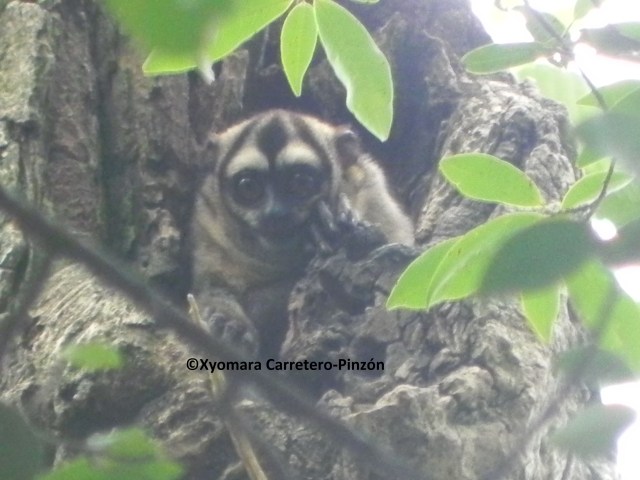
Finally, we were able to expand our collaborations in the region working with Cumaral Biodiversa, a local organization in Cumaral town. Our work with them is focus on Brumback night monkey distribution with very interesting data we hope to publish in the new year, as it is need it because of the lack of data in this interesting species.
However, we still don’t have a clear idea and a good data set for the effects of road killing on primates and other fauna in the urban and rural areas of the region. Or about the economic cost of crop-raiding by black-capped capuchins on perennial crops in the region and the monitoring of threats for native fauna in the region
Let’s hope the new year bring us more collaborations and that we will be able to continue studying and monitoring all the monkey species in the study area. Happy New Year to all! We wish you all a 2022 full of health, love, collaborations and monkeys!!!
Today’s post will be a short one, we just want to wish you a Merry Christmas to all of you from Zocay Project. From Zocay project family, especially the monkeys in this project, to your family. We hope you can enjoy the happiness of the season despite the troubles of covid-19 and the new variant.
We are near to the end of the 2021 and it is time again to celebrate monkeys. Every year on December 14th, we celebrate monkeys’ diversity and use this day to raise awareness on the threat they and their habitats face.
So, in today’s post I want to talk about the monkeys in Zocay Project. As you know by now, we work with five species of monkeys. Monkeys that live in large and small groups, are big and small, have few or lots of babies. Use trees all the time or sometimes go to the ground. But all have long tails and play on the branches of big trees. They eat fruits, flowers, and different kinds of animals.
Today’s post is also to celebrate the high diversity of primates we have in Colombia. With 38 species and subspecies of monkeys living in forest of different sizes from sea level to the mountains. They help to growth the forest and create new homes for small spiders and insects.
But how can we take care of them? Protecting the forest in which they live and planting fruit trees from their region in the areas close to the forest in which they live. Not buying small baby monkeys, just because they look cute. Monkey babies need their groups and moms in the same way we need our moms and families, so don’t buy them!!!!
Over the past week we made a couple of education/ informative activities about our project in the town with kids and adults. Usually after this kind of activities, I ask myself how I can improve the impact of Zocay project in the area. Also, people ask me how to evaluate if the information we give is accepted and probably implemented by participants.
Generally, education activities that are well planned implies a measure of evaluation in terms of evaluations done before and after each education activity. How well participants respond to those questions after the activity compared with their answers before the activity give you a measure of how much they understand and “incorporate”.
For this kind of evaluations, you must have in mind the audience you have and education. Did they write and read? How old are they? This will help you to implement strategies to make possible to really evaluate your activity. For example, with small kids or adults that don’t write and read, a strategy that worked for me in different contexts is to use multiple choice question and ask verbally to choose an answer and count the number of participants who choose each option for both evaluations (before and after activity).
When giving a more informative activity, for example a talk to local authorities, how can you measure if they listen to your talk. You can also implement a few questions at the beginning and end of your talk to evaluate the impact of your talk or use the questions they do after the talk to measure how clear you deliver the information, how clear was your message and if you need to make a follow up activity that can increase your impact on that specific audience.
So, the message I will like you to take from this post is that before delivering any informative or education activity, stop to think how to evaluate that activity you are going to give so you can plan to increase your impact. Adjust your questions to your audience and the topics of your talk. Have a clear message that is easy to understand for you audience background and don’t forget to evaluate it.
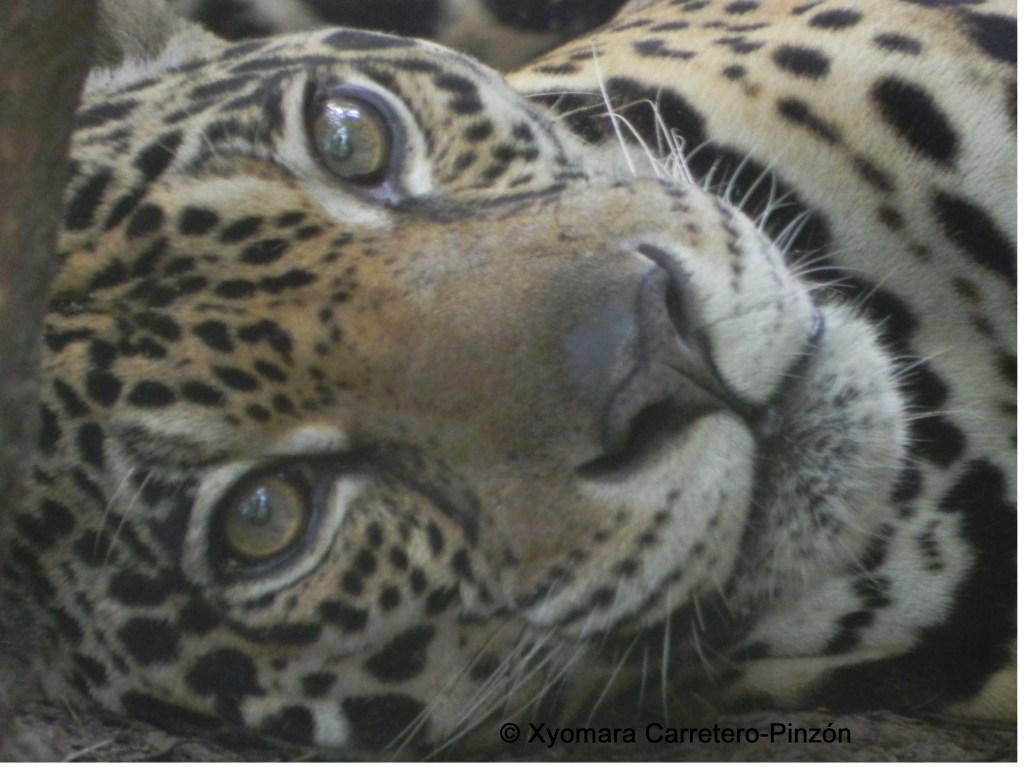
This week we celebrate Jaguar, a day to raise awareness for one of the three biggest wild cats in the world, after tiger and lions. And the biggest cat in South America. I had the fortune of had seen this wonderful animal two times in two different areas of Colombia: transition area between Orinoquia and Amazonian region and in the Amazon basin. At Las Pampas landscape, in the study area, we only had been able to find tracks and footprints, but not sightings of this impressive animal.
My first time was the more impressive and memorable time. In the following section I will describe this encounter and my feelings and perceptions of that encounter:
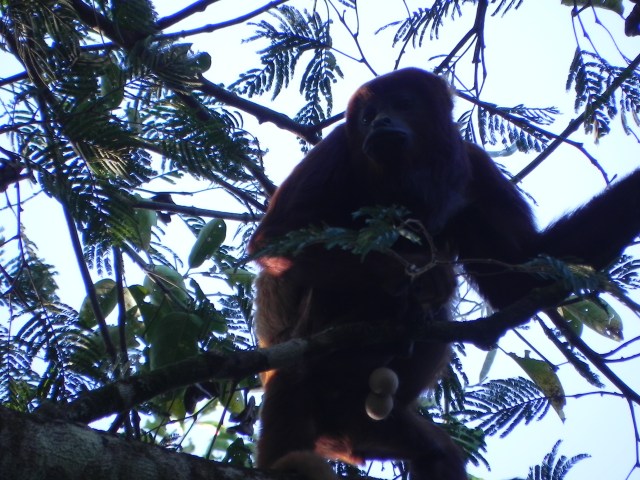
“It was a cold morning, I woke up early as I had done for the last month or so, I was ready to follow the group of red howler monkeys. It was like any other morning in the jungle. I woke up around 5 am and dress up in my long black pants, rubber boots and long sleeve shirt that belonged to my father. Prepare my coffee and my cup of cereal. Last night I made part of my lunch ready, white rice. I added some tuna with small pieces of fresh tomato. It was one of my favorites. It was rare to have fresh tomato, but the vegetables had arrived just a few days before and there were still fresh.
After taking my breakfast and packing my lunch and water, I was ready to go and find the red howler group that I was studying. The day before, the group went to sleep in a dense vine area around 500 m from the camp towards south. The trail goes from the campsite up to a hill and then down to a small stream valley.
I started to walk, that hill always take me some time, I always had respiratory problems and that hill always make me wonder why I choose to follow monkeys in a hilly area of the jungle. Well, maybe it was because of the challenge. I had always liked to challenge my own limits, especially my body limits and every hill was that, a challenge, a test to my weak lungs.
Once on the top of the hill, I stopped to recover my breath, when I saw a dark shadow walking towards me, I wasn’t sure at first what was I looking at. Then very slowly I realized it was a Jaguar, a big one, with his wide head, strong legs and soft fur. I couldn’t believe what I was looking. The jaguar didn’t stop walking towards me, he didn’t notice me staring at him, just a few meters ahead. Suddenly, he stops, look at me and start moving his tail from one side to the other. It was like a pendulum.
My mind was hypnotized by his tail movement, I was thinking how it will feel to touch him, his soft fur seems to be like a hypnotic element to her. Part of my brain, the rational one, make me stop that idea. He was just looking deep into my eyes. I felt naked, but not the naked feeling of not having your cloths on, not that one. A naked feeling deep in your soul, as if some kind of X ray were passing through me and were showing him every part of my body and soul, both at the same time. It was a mesmerizing moment.
I didn’t know how long this encounter last it, but it was profound, and it has a huge impact in my life and my day. After what it looks like ten minutes, maybe less, that magic connection just broke. The jaguar jumps to my right side and disappear into the jungle. I took a couple of minutes to process what just happen and continue my walk towards the place where I found my group of monkeys. I followed the group taking notes of the babies and their mothers’ behavior without thinking too much on my morning encounter.
At some points during the day, I felt as if someone was looking at me, the group has been hiding in a dense vine area for days, sleeping long hours and eating mostly leaves. I wondered if the jaguar had followed me. If he did, he had an advantage I was in a place difficult to get out, surrounded by vines with thorns.
Despite my feeling of being observed the whole day, nothing happens, and I finished my day around 5 pm, leaving my study group next to the stream in some Guadua trees. I started my way back to the camp site and when I was close to the camp, I hear the howlers, my group, vocalizing. I thought again about the jaguar and my feeling of being observed the whole day but try not to be afraid for the monkeys.”
My second time lasted less time and it felt like looking to a fast-moving film, with a couple of shadows moving some meters in front of me and the indigenous guide who was with me.
Jaguar presence in Zocay Project study area had been confirmed only in the biggest forest fragments of the whole area in Las Pampas landscape. There are a few reports of cattle attacked by Jaguar and Cougar in the area. However it seems despite of the fragmentation in the area they are still able to survive, at least in parts of the area where there is native preys available.
In today’s post we talk about another challenge of working in urban versus rural areas. We are going to talk about the differences in the type of questions that these different systems can address as well as some challenges to answer those questions.
Rural and urban areas represent different kind of threats for wildlife, and even if threats are the same (e.g. road killing) frequency and severity of those threat are not necessarily the same in urban versus rural areas. Therefore, questions varies and the way to measure those threats also varies.
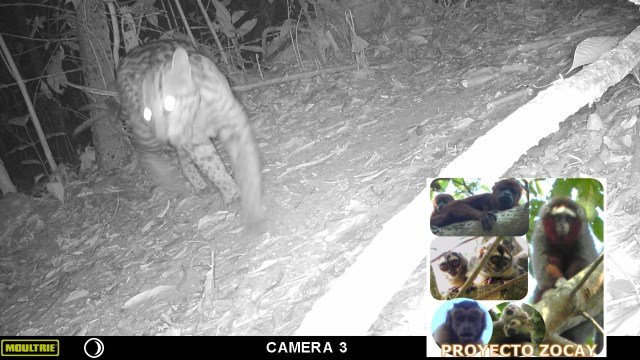
For example, is common to use camera traps located in wildlife crossing to measure road killing and the use of wildlife crossing measures (e.g. canopy bridges). In urban areas, one of the challenges is to avoid people to destroyed, rob or vandalized camera traps. Because these camera traps are usually located in a more populated areas, more visible and usually area where several illegal activities occur, it is more common that we lose our equipment, or it is vandalized. Although this can also happen in rural areas where illegal hunting occurs, it is more common in urban areas.
Something that usually helps is to socialize your activities with the people living nearby to the areas where you will put your camera traps. Involving local people and then sharing pictures you take of all the animals living close to them, sometimes helps to avoid issues of vandalizing equipment as they help you to take care of that equipment.
Another challenge of working in urban areas is robbery of your equipment while doing observations. We usually use cameras, binocular and GPS to collect specific data when doing behavioral and ecological studies with monkeys. In urban areas, especially close to forest remanent is common to be robed. Those are places that sometimes are isolated or with few public lights, therefore is easy to be robbed. Although not as precise as a GPS, phone apps to collect GPS locations can help. I don’t recommend going with cameras and use cameras in your phone to take specific pictures to illustrate your work and always work in pair to reduce some risks of working in urban areas. Not all urban areas represent the same risk and I’m especially referring to conditions of working in Colombian cities.














 zocayproject