Monkey Forest Tales: Plans for 2026

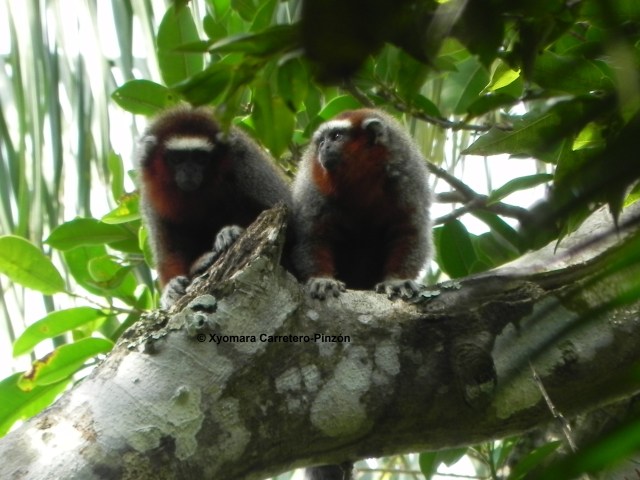
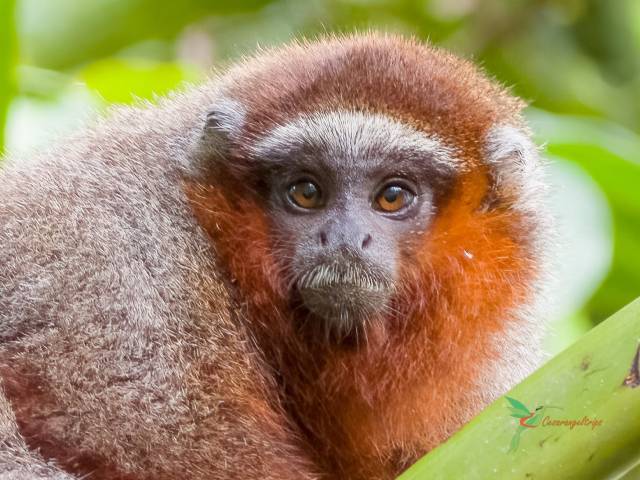
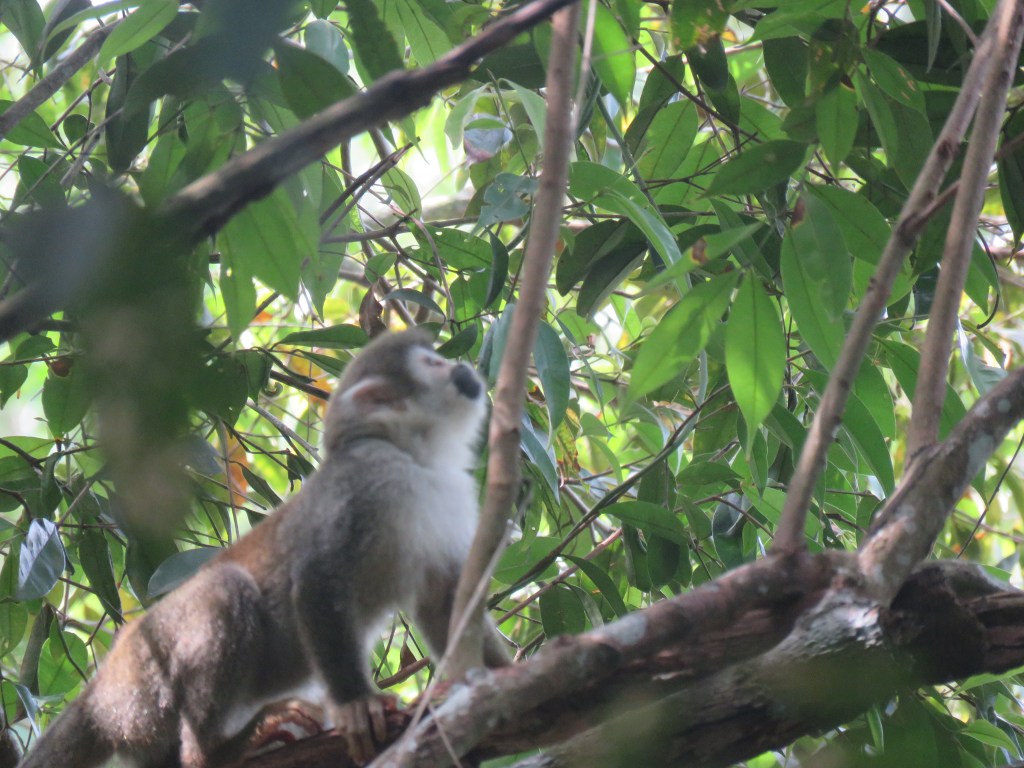
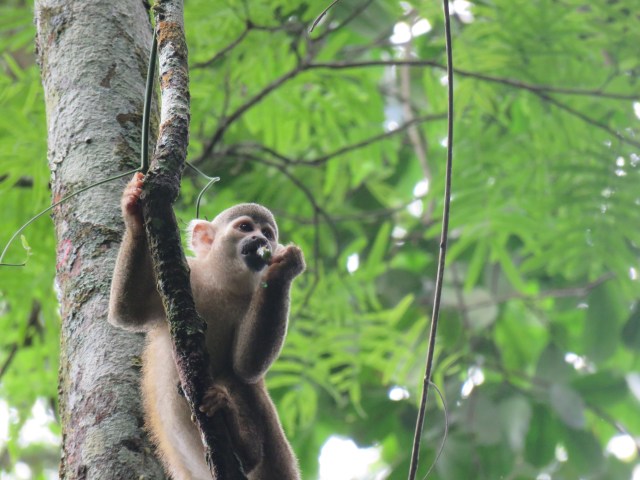
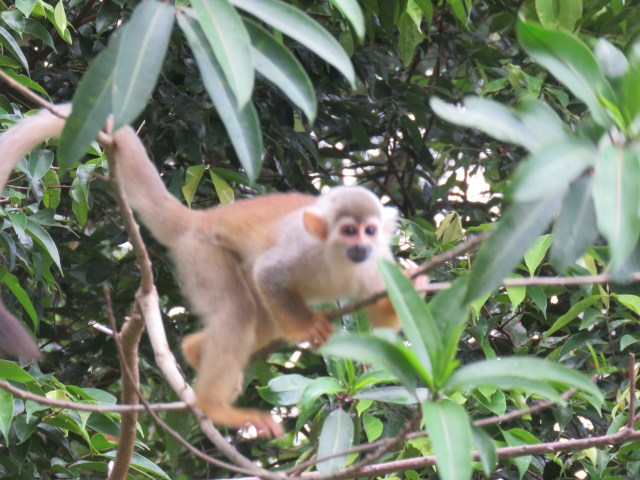
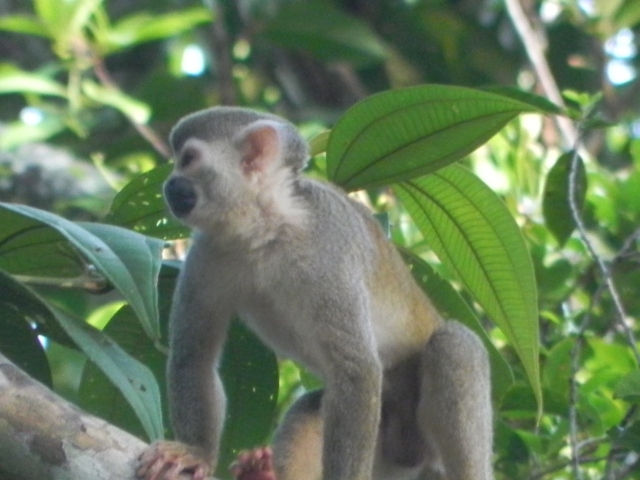
In our last post of the year, we will share some of our plans for the next year. The new year starts with our yearly baby season, that time of the year when we count babies from Colombian squirrel monkeys (Saimiri albigena) and ornate titi monkeys (Plecturocebus ornatus) mainly in San Martin and Villavicencio, and sometimes in Villanueva. Monkeys live long lives like us, which means that to know if a population is growing or stable, we need data form several years to see if babies reach adulthood and if they reproduce themselves.

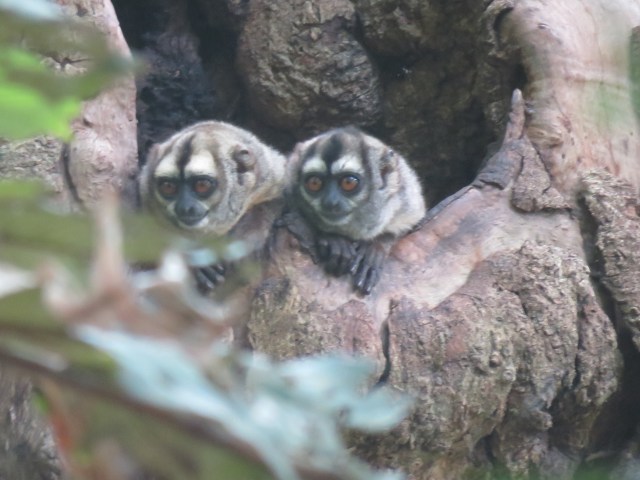
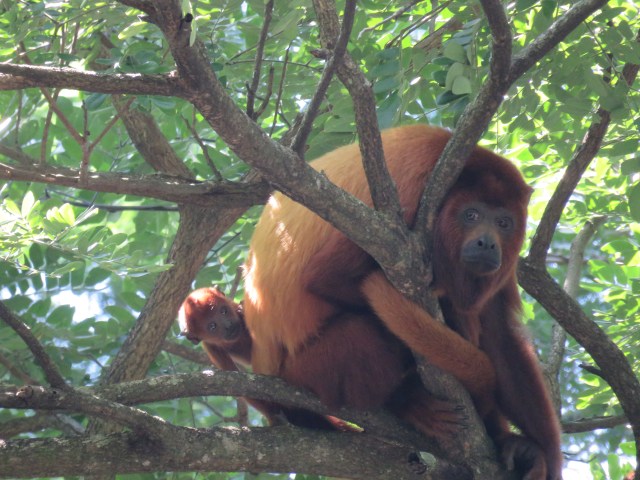
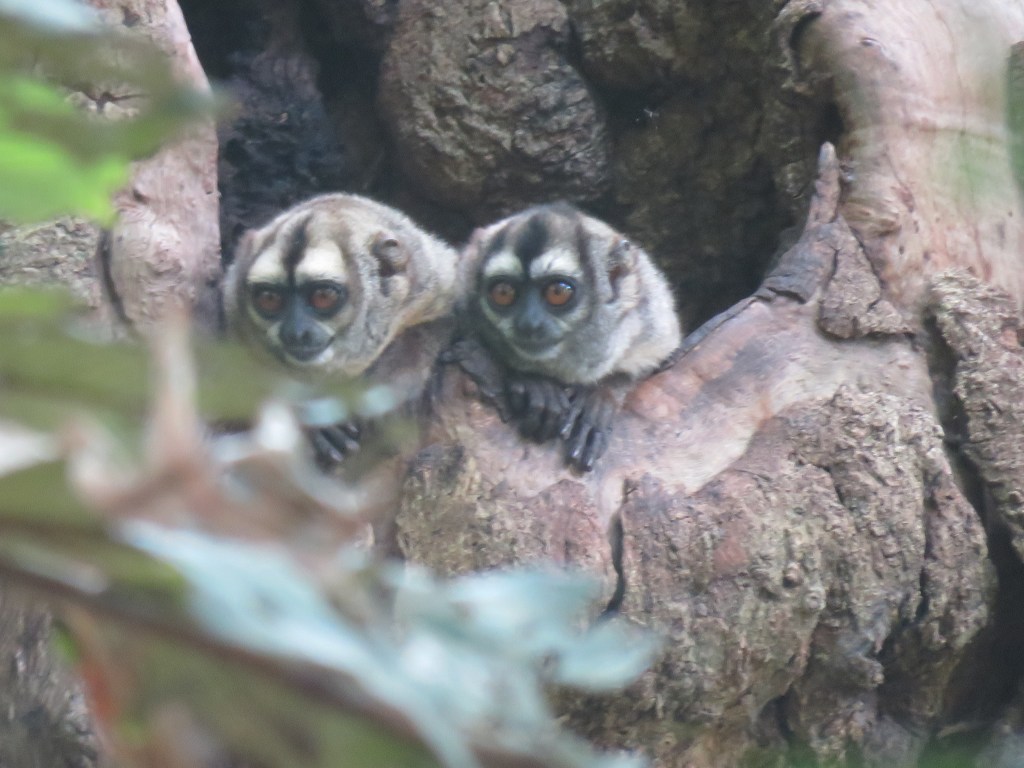
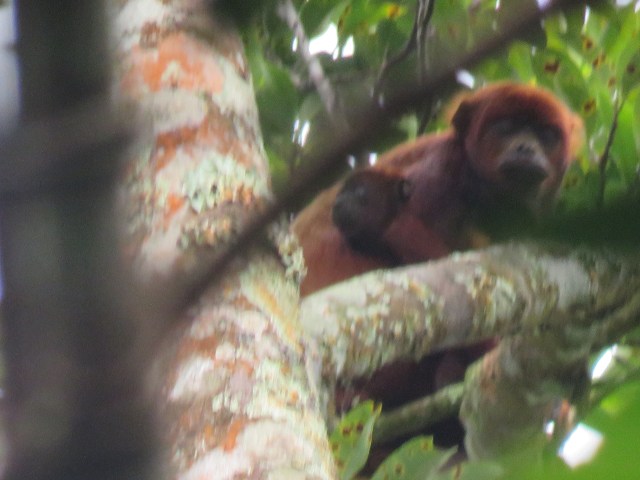
Although we had been looking at San Martín groups for two decades, we not always had resources to monitor those groups constantly over those years, so we still have information gaps that we are trying to fill up. Additional field trips during the year will help us to monitor new babies for the other monkey species in the study area, red howler monkeys (Alouatta seniculus), Brumback night monkeys (Aotus brumbacki) and black-capped capuchins (Sapajus apella).

We also will continue with the Colombian squirrel monkey distribution project as we still have two additional areas to survey and we will continue with our education tent, which we plan this year to take it to more towns if possible. This tent is a collaboration with another primatologist, Dr. Monica Ramirez who also had work in San Martin area for a couple of years. During this new year, we also have plans to focus on the three endemic monkey species in the piedmont of Colombian Llanos as those are species that still lack basic information on their ecology.

As usual with a long-term project like this, looking for financial support for all these activities will continue so we can carry out these activities. If you want to volunteer or donate, please send a message to xcarretero@gmail.com

Happy New Year 2025 and Best Wishes for 2026!

If you want to support our activities, please visit https://fineartamerica.com/art/xyomara+carretero or get in contact with us at xcarretero@gmail.com if you want to collaborate, donate or volunteer in our activities. You can also support our activities by buying our ornate titi monkeys stuff dolls https://www.instagram.com/p/Ctm_sEORvk8/?igshid=MzRlODBiNWFlZA== and our new journals in Amazon https://www.amazon.com/X-Carretero/dp/B0CWD1DBJM/ref=mp_s_a_1_1?© Copyright Disclaimer. All pictures used on this web page are protected with copyrights to Xyomara Carretero-Pinzón. If you want to use any of these pictures, please leave a message on the website or contact xcarretero@gmail.com

Monkey Forest Tales: Balance of our activities in 2025

As the year is ending we want to talk today about the projects and activities we develop this year. Probably one of the main goals of 2025 was finishing the project focus on the distribution of the ornate titi monkey (Plecturocebus ornatus). This project started in 2024 and we were able to finished, including the publication of its result in 2025. Although our results were more discouraging than we expected and we had to change this endemic species to a more threatened with extinction category (i.e. they have more risk to disappear in the near future than before), at least know we know what we need to do and we hope that we can make a difference for them in the next few years.We have the opportunity to showed these results in different scenarios and talk about this endemic species to different audiences, from kids to land owners and conservation organizations and other academics in our region and internationally. This project was possible thanks to the incredible support of Little Chalcraft Fund – Rewild and Primate Conservation Inc, we are grateful for their support.

We also started a new project focus on the distribution of another endemic species (Saimiri albigena), a species that is close to my heart as I did my undergraduate and master thesis focus only on this species and is one of the species most found in centers for animals suffering from traffic for pets market in some parts of Colombia. In 2025 we were able to make half of our planned samplings and we are starting to process that data. This project is supported by Rewild.

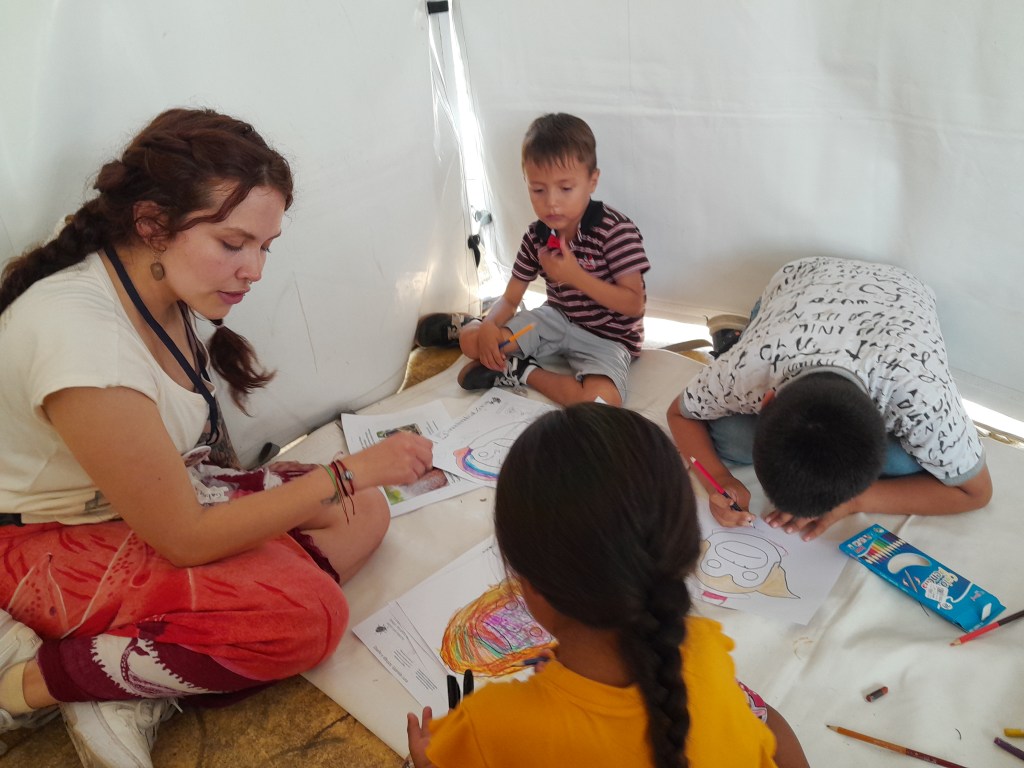
Additionally we were able to start a new education activity in which we place a tent with education activities and material near to the main activities during town festivals, this education tent is called “El mono Zocay y sus amigos” (the ornate titi monkey and his friends). We were able to participate in one town festival this year, in Acacias town, a town located inside of the distribution of the ornate titi monkey. Hopefully, next year we will be able to participate in more town festivals inside the ornate titi monkeys distribution and increase the awareness and knowledge of this endemic species and the animals who live with them. We also continue searching and recording new Brumback night monkey nest sites in our study area. And supporting and helping, mostly with information private reserves that are located inside the distribution area of the three endemic primate species that we had focus our work in recent years: ornate titi monkeys, Colombian squirrel monkeys and Brumback night monkeys.I also like to thank all the landowners, local people, field assistants, volunteers, donor organizations and donor individuals that support our work over 2025 for helping and allowing me to continue with this project.

Merry Christmas!! And please celebrate without fireworks so our wildlife and domestic animals don’t suffer.

If you want to support our activities, please visit https://fineartamerica.com/art/xyomara+carretero or get in contact with us at xcarretero@gmail.com if you want to collaborate, donate or volunteer in our activities. You can also support our activities by buying our ornate titi monkeys stuff dolls https://www.instagram.com/p/Ctm_sEORvk8/?igshid=MzRlODBiNWFlZA== and our new journals in Amazon https://www.amazon.com/X-Carretero/dp/B0CWD1DBJM/ref=mp_s_a_1_1?© Copyright Disclaimer. All pictures used on this web page are protected with copyrights to Xyomara Carretero-Pinzón. If you want to use any of these pictures, please leave a message on the website or contact xcarretero@gmail.com

Monkey Forest Tales: A collaboration chapter about how Colombian squirrel monkeys (Saimiri albigena) cope with fragmentation

In today’s post, we continue with our series of articles based on information we had been collecting in the study area over the past 21 years. We are going to talk about a collaborative chapter in which we analyze data from groups of Colombian squirrel monkeys living in a continuous area and groups living in our study area, a fragmented area. Data from two groups, one of which live in the continuous area while the other lives in the fragmented area was used to compare their diet, activity patterns and home range (territory). In addition, data comparing Colombian squirrel monkey’s group composition in both areas were also analyzed. Data from this chapter came from my undergraduate and master thesis, the first one done at Tinigua national park and the second at Zocay Project study area.

We found that diet composition varies although percentage of time used to consume different food items remain similar for arthropods (insects and spiders), fruits and flowers but not for leaves. Leaves were not observed being consumed in the fragmented area. Proportion of time spent consuming each food item was higher for all food items except for young leaves in the fragmented areas compared with the continuous area. Group composition and size were reduced in fragmented areas as well as home range. However, average daily range is higher in fragmented areas. On the other hand, stationary foraging is reduced in fragmented areas compared with the continuous area, while moving and foraging activity increased. Additionally, resting activity is reduced in fragmented areas, while moving increases for the same area when compared with the continuous area. Therefore, the Colombian squirrel monkey’s strategy in fragmented landscapes is to spend more time feeding, increasing the proportion of pioneer species chosen for the diet that are found in forest edges and living fences. The use of living fences in their home ranges increases the space available for food resources.

Español: Un capítulo colaborativo acerca de cómo los monos ardilla (Saimiri albigena) manejan la fragmentación

En el blog de hoy continuamos con nuestra serie de artículos basados en la información que hemos venido colectando en el área de estudio del Proyecto Zocay en los últimos 21 años. Vamos a hablar de un capítulo colaborativo en el cual analizamos datos de grupos de monos ardilla viviendo en zonas continuas y grupos viviendo en nuestra área de estudio, un área fragmentada. Datos de dos grupos, uno viviendo en un área continua y el otro en un área fragmentada fueron usados para comparar su dieta, patrones de actividad y rango de hogar (territorio). Además, datos comparando la composición de los grupos de monos ardilla en las dos áreas también fue analizado. Los datos de este capítulo provienen de mi tesis de pregrado y maestría, el primero realizado en el parque nacional Tinigua y el segundo en el área de estudio del Proyecto Zocay.

Encontramos que la composición de la dieta varia pero el porcentaje de tiempo usado para consumir diferentes ítems permanece similar para artrópodos (insectos y arañas), frutos y flores, pero no para hojas. Las hojas fueron consumidas en el área fragmentada. La proporción de tiempo usada consumiendo cada ítem fue mayor para todos los alimentos, excepto las hojas, en la zona fragmentada comparada con la zona continua. La composición y tamaño de los grupos fue reducido en la zona fragmentada, así como el rango de hogar. Sin embargo, el promedio de las distancias recorridas diariamente es más alta en la zona fragmentada. Por otro lado, el forrejeo estacionario es reducido en áreas fragmentadas comparado con el área continua, mientras que la actividad alimentarse mientras se mueven es mayor. Además, la actividad de Descanso es reducida en el área fragmentada, mientras que el movimiento se mayor en esta área comparado con el área continua. Por lo tanto, la estrategia de los monos ardilla colombianos es pasar más tiempo alimentándose, incrementando la proporción de plantas pioneras escogidas para su dieta y que se encuentran en los bordes de los bosques y en las cercas vivas. El uso de las cercas vivas como parte de su rango de hogar incrementa el espacio disponible para los recursos alimenticios.

If you want to support our activities, please visit https://fineartamerica.com/art/xyomara+carretero or get in contact with us at xcarretero@gmail.com if you want to collaborate, donate or volunteer in our activities. You can also support our activities by buying our ornate titi monkeys stuff dolls https://www.instagram.com/p/Ctm_sEORvk8/?igshid=MzRlODBiNWFlZA== and our new journals in Amazon https://www.amazon.com/X-Carretero/dp/B0CWD1DBJM/ref=mp_s_a_1_1?© Copyright Disclaimer. All pictures used on this web page are protected with copyrights to Xyomara Carretero-Pinzón. If you want to use any of these pictures, please leave a message on the website or contact xcarretero@gmail.com
Monkeys Forest Tales: A chapter about demographic information of the primate species in the study area (Español abajo)

In today’s post, we continue with our series of articles based on information we had been collecting in the study area over the past 21 years. We are going to talk about a chapter in which densities were calculated for the five species of primate living in our study area: red howler monkeys (Alouatta seniculus), black-capped capuchins (Sapajus apella), ornate titi monkey (Plecturocebus ornatus), Colombian squirrel monkeys (Saimiri albigena) and Brumback’s night monkey (Aotus brumbacki). These densities and additional demographic information were collected in two different landscapes during an eight-year period.

Population densities (how many individuals per area) found for red howler monkeys (A. seniculus) ranged from 0.81 to 78.57 ind/km2, black-capped capuchins (S. apella) were between 0.95–52.98 ind/km2, for ornate titi monkeys (P. ornatus) was 1.07–54.76 ind/km2, for the Colombian squirrel monkeys (S. albigena), 3.85–170.24 ind/km2, and for Brumback’s night monkeys (A. brumbacki) was 3.26–13.10 ind/km2. Most species living in small and medium fragments have a higher population density than those in other studies, except for red howler monkeys which fell within a normal range. Densities in the extra-large fragment for black-capped capuchins, red howlers and ornate titi monkeys are like those in continuous forest, while densities for Colombian squirrel monkeys were lower than that reported for continuous forest. These differences in densities between fragments are due to differences in-group composition per species, vegetation, and size of the fragment. All monkeys’ species present in this area use fencerows as part of the landscape matrix to cross among fragments. The main recommendation from this chapter includes an increase in connectivity between fragments in this area to improve sustainability of this primate community.

Español: un capítulo sobre información demográfica de las especies de primates en el área de estudio

En el blog de hoy continuamos con nuestra serie de artículos basados en la información que hemos venido colectando en el área de estudio del Proyecto Zocay en los últimos 21 años. Vamos a hablar de un capítulo de libro en el cual se calcularon las densidades de cinco especies de primates que viven en nuestra área de estudio: monos aulladores (Alouatta seniculus), monos maiceros (Sapajus apella), monos zocay (Plecturocebus ornatus), monos ardilla o frailes (Saimiri albigena) y monos nocturnos llaneros (Aotus brumbacki). Estas densidades e información demográfica adicional fueron recolectadas en dos paisajes diferentes durante un periodo de 8 años.

Las densidades (es decir, cuántos individuos por área hay) encontradas para los aulladores (A. seniculus) estuvo en el rango de 0.81 a 78.57 ind/km2, para los maiceros (S. apella) estuvo entre 0.95–52.98 ind/km2, para los zocay (P. ornatus) fue 1.07–54.76 ind/km2, para los monos ardilla (S. albigena), 3.85–170.24 ind/km2, y para los monos nocturnos llaneros (A. brumbacki) fue 3.26–13.10 ind/km2. La mayoría de las especies viviendo en fragmentos pequeños y medianos tienen densidades poblacionales más altas que las de otros estudios, excepto por los aulladores que tienen densidades que están dentro del rango normal. Las densidades en el fragmento extra grande (1050 ha) para los maiceros, aulladores y monos zocay fue similar a la encontrada en bosques continuos, mientras que las densidades para los monos fraile o ardilla fueron menores a las reportadas en zonas continuas de bosque. Estas diferencias en las densidades entre fragmentos se deben a diferencias en la composición de los grupos por especie, vegetación y tamaño del fragmento. Todas las especies de monos presentes en el área de estudio usan las cercas vivas como parte de la matriz del paisaje para moverse entre fragmentos. La principal recomendación de este capítulo incluye un incremento de la conectividad entre los fragmentos en esta área para mejorar la sostenibilidad de esta comunidad de monos.

If you want to support our activities, please visit https://fineartamerica.com/art/xyomara+carretero or get in contact with us at xcarretero@gmail.com if you want to collaborate, donate or volunteer in our activities. You can also support our activities by buying our ornate titi monkeys stuff dolls https://www.instagram.com/p/Ctm_sEORvk8/?igshid=MzRlODBiNWFlZA== and our new journals in Amazon https://www.amazon.com/X-Carretero/dp/B0CWD1DBJM/ref=mp_s_a_1_1?

© Copyright Disclaimer. All pictures used on this web page are protected with copyrights to Xyomara Carretero-Pinzón. If you want to use any of these pictures, please leave a message on the website or contact xcarretero@gmail.com

Monkey Forest Tales: News from the field

In today’s post we have some news from our field samplings in Meta and Guahinia departments from our project about the distribution of two species of squirrel monkeys in Colombia. We continue with our samplins by land and river.

During our samplings in Meta department, several groups of the Colombian squirrel monkeys were observed. Despite the high deforestation in the buffer area North of Sierra de La Macarena national park, several species of monkeys still can be seen in this area.

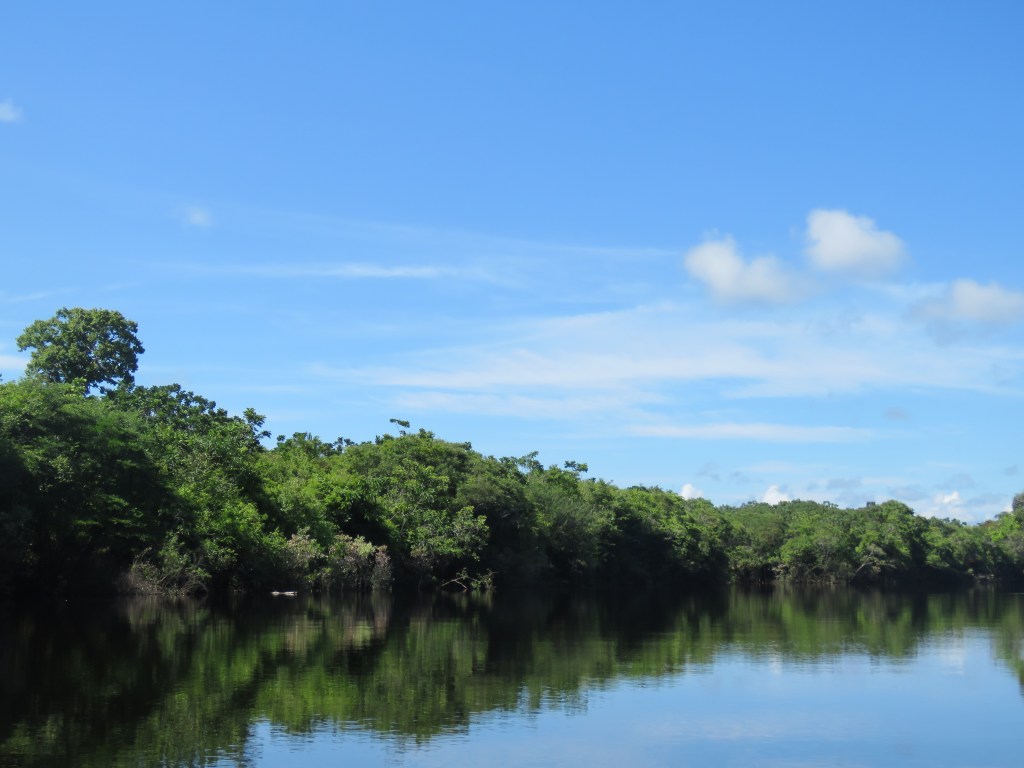
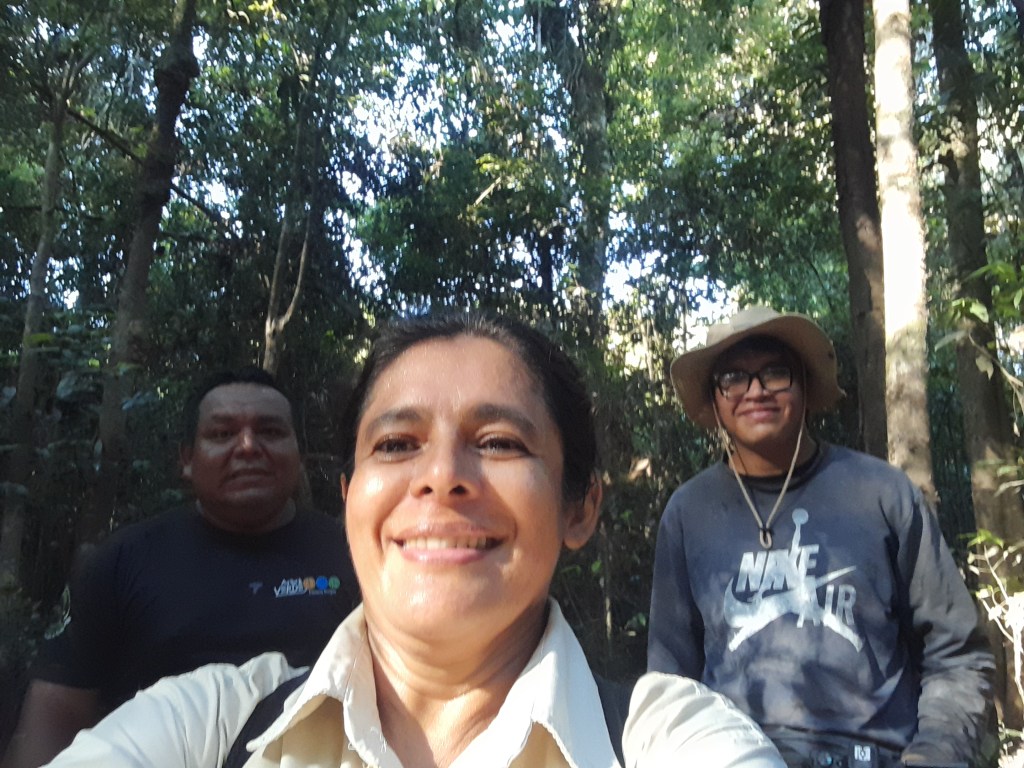
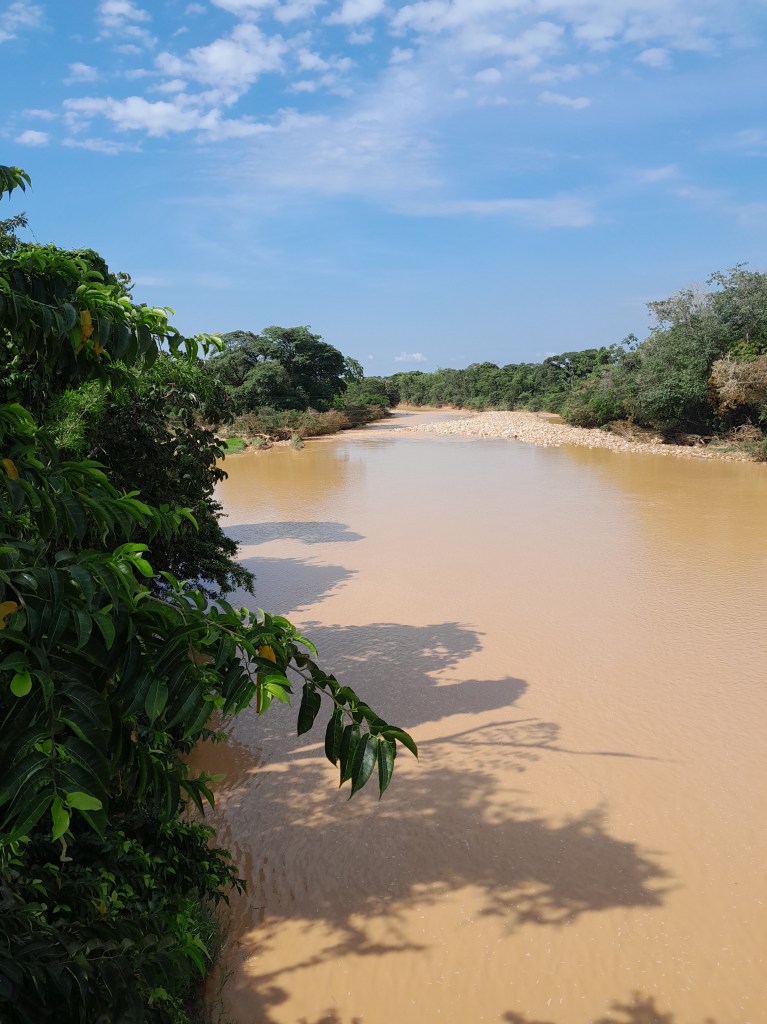
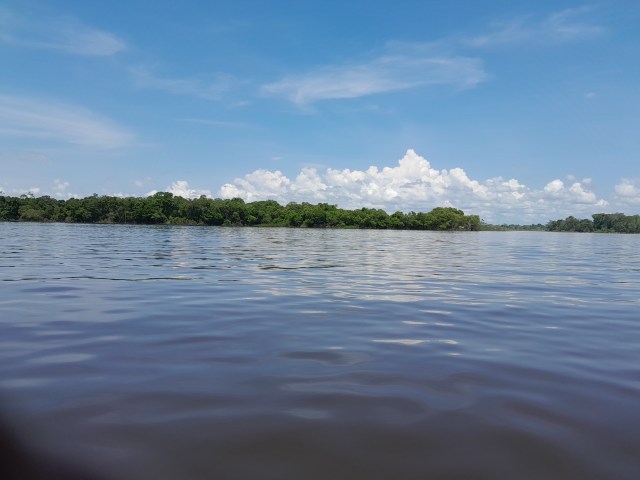
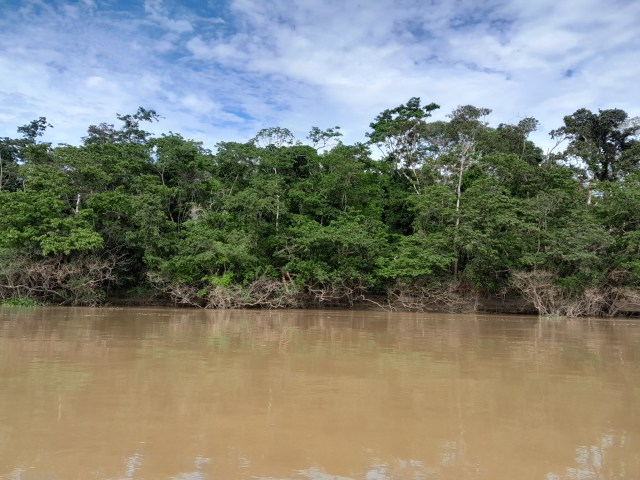
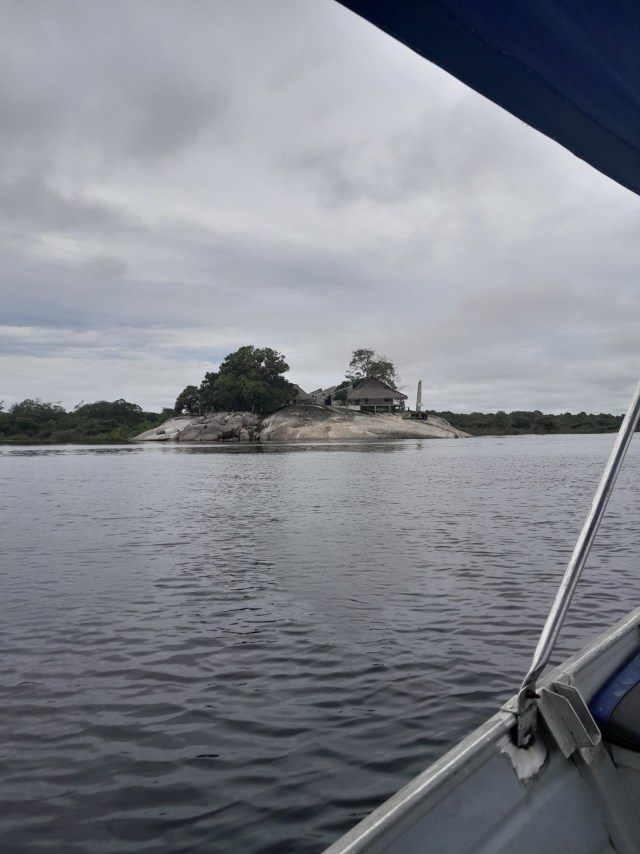
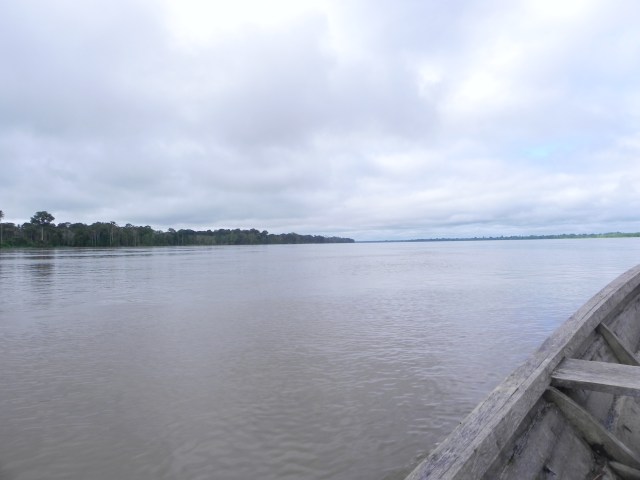
However our sampling in Guainía department, still in progress, had prove to be more challenging and with some contrasting surprises. First, some incredible aquatic mammals, giant otter (Pteronura brasiliensis) let us see it, something not so easy. Few monkeys up to now, although we still have few more days in the field and an unexpected amount of cattle farms in an area where 28 years ago, when I first came, there was none. We still have several areas to sample and hopefully more monkeys to see in an area of contrast and incredible rock formations from the Guyana shield. Forest in this area shows the contrast of the white or black waters that runs nearby and the confluence of rivers with white and rich water versus black and poor waters is evident in the forest height and the animals you can found in each river. This samplings wouldn’t be possible without the logistic support of Fundación Biológica Aroma Verde, a local NGO who help us to organize our samplings. This project is fund by Rewild (Primate Action Fund). More news about this sampling in the following posts…

If you want to support our activities, please visit https://fineartamerica.com/art/xyomara+carretero or get in contact with us at xcarretero@gmail.com if you want to collaborate, donate or volunteer in our activities. You can also support our activities by buying our ornate titi monkeys stuff dolls https://www.instagram.com/p/Ctm_sEORvk8/?igshid=MzRlODBiNWFlZA== and our new journals in Amazon https://www.amazon.com/X-Carretero/dp/B0CWD1DBJM/ref=mp_s_a_1_1? © Copyright Disclaimer. All pictures used on this web page are protected with copyrights to Xyomara Carretero-Pinzón. If you want to use any of these pictures, please leave a message on the website or contact xcarretero@gmail.com

Monkey Forest Tales: A recent publication: new information on the geographic distribution and conservation status of ornate titi monkeys (Español abajo)

In today’s post, we are going to talk about our recent publication on ornate titi monkeys (Plecturocebus ornatus). As some of you may remember from several posts from last year, we were reviewing the geographic distribution of the endemic ornate titi monkeys. This new paper presents all our results on these samplings. You can find the article here. There are three main results from this paper that I want to highlight:

A change in the northern limit of the distribution. Ornate titi monkeys currently are only found up to Río Guacavia, therefore its distribution is mainly in Meta department.

It´s altitudinal limit is still up to 500 m a.s.l

I suggested a change in its conservation status from Vulnerable to Endangered under criteria A4c: the estimated and inferred population reduction due to continuous deforestation within its distribution

Some of the main recommendations from this study are:

Efforts to protect riparian forest in private reserves and cattle ranching areas would benefit the connectivity inside the species’ range.

More connectivity is necessary in some parts in the center of its range, where cattle ranching is one of the main activities.

Living fences can increase connectivity of forest fragments remaining in cattle ranching areas

Efforts to create management plans for regional and municipal protected areas where P. ornatus need to be done

Other strategies such as silvopastoral practices in cattle ranching areas can also improve connectivity in these landscapes.

In the southern part of its range, efforts are needed to focus on protecting the two national parks, Tinigua and Sierra de La Macarena, which are suffering the highest deforestation rate in the country

Connectivity and sustainable activities in the surrounding areas of the national parks should be prioritized

More effective control of deforestation around Tinigua and Sierra de La Macarena national parks should be implemented

Economic alternatives including regenerative tourism, primate-watching and environmentally friendly agricultural practices would provide opportunities to conserve areas surrounding Tinigua and Sierra de La Macarena national parks and private nature reserves in other parts of the range of P. ornatus.

Although it was not mentioned in the paper, I want to highlight that it is important to increase the general public awareness about the importance of this endemic species in the department of Meta. Therefore, Zocay Project started in October an education activity that consist on an education tent called “El Zocay y sus amigos” (The ornate titi monkey and its friends”) in which games and mask painting is done with kids during town festivals, We started in Acacias, thanks to the support of the promotion and sustainable development secretary from Acacias mayor office, with the support of the biologist Yesid Rojas. We hope we can take this activity to another towns in the department in the following months and during the next year.

Español: Una publicación reciente: nueva información sobre la distribución geográfica y estado de conservación del mono zocay

En el blog de hoy vamos a hablar sobre nuestra más reciente publicación sobre el mono zocay (Plecturocebus ornatus). Como algunos de ustedes pueden recordar de varios blogs del año pasado, estabamos revisando la distribución geográfica del mono zocay, mico endémico colombiano. Este nuevo artículo muestra los resultados de esos muestreos. Pueden encontrar el articulo aca. Hay tres resultados principales de este artículo que quiero resaltar:

Un cambio en el límite norte de la distribución. El mono zocay actualmente solo se encuentra hasta el Río Guacavia, por lo que su distribución es principalmente en el departamento del Meta.

Su límite altitudinal aún es 500 m sobre el nivel del mar

Sugerí un cambio en su estado de conservación de Vulnerable a En Peligro bajo el criterio A4c: reducción estimada e inferida de la población debido a continúa deforestación dentro de su distribución

Algunas de las principales recomendaciones de este estudio son:

Los esfuerzos para proteger los bosques riparios en reservas privadas y áreas ganaderas pueden beneficiar la conectividad dentro del rango de distribución de la especie.

Más conectividad es necesaria en algunas partes del centro del rango de distribución, donde la ganadería es una de las principales actividades económicas.

Las cercas vivas pueden incrementar la conectividad de los fragmentos de bosque que quedan en las zonas ganaderas

Se deben hacer esfuerzos para crear planes de manejo para las áreas protegidas a nivel municipal y regional donde P. ornatus esta presente

Otras estrategias como prácticas silvopastoriles en zonas ganaderas también pueden mejorar la conectividad en estos paisajes.

En la parte sur del rango de distribución, los esfuerzos se deben enfocar en proteger los dos parques nacionales, Tinigua y Sierra de La Macarena, que están sufriendo las tasas de deforestación más altas del país

Conectividad y actividades sostenibles en las áreas alrededor de los parques deben ser priorizadas

Control más efectivo de la deforestación alrededor de los parques nacionales Tinigua y Sierra de La Macarena debe ser implementado

Alternativas económicas incluyendo turismo regenerativo, observación de primates y prácticas agrícolas ambientalmente amigables pueden proporcionar oportunidades para conservar áreas alrededor de los parques nacionales Tinigua y Sierra de La Macarena y en reservas privadas en otras partes del rango de P. ornatus.

Aunque no fue mencionado en el artículo, quiero resaltar que es importante incrementar el conocimiento del público general acerca de la importancia de esta especie endémica en el departamento del Meta. Por lo que el Proyecto Zocay inicio en octubre una actividad educativa que consiste en una Carpa Educativa llamada “El Zocay y sus amigos” en la que se hacen juegos y se pintan mascaras con los niños durante los festivales de los pueblos. Empezamos en Acacias, gracias al apoyo de la secretaria de fomento desarrollo sostenible de la Alcaldía de Acacias, con el apoyo del biólogo Yesid Rojas. Esperamos poder llevar esta actividad a otros municipios en el departamento en los próximos meses y durante el próximo año.

If you want to support our activities, please visit https://fineartamerica.com/art/xyomara+carretero or get in contact with us at xcarretero@gmail.com if you want to collaborate, donate or volunteer in our activities. You can also support our activities by buying our ornate titi monkeys stuff dolls https://www.instagram.com/p/Ctm_sEORvk8/?igshid=MzRlODBiNWFlZA== and our new journals in Amazon https://www.amazon.com/X-Carretero/dp/B0CWD1DBJM/ref=mp_s_a_1_1?

© Copyright Disclaimer. All pictures used on this web page are protected with copyrights to Xyomara Carretero-Pinzón. Pictures in this blog from Cesar Angel, Francisco Gomez, Xyomara Carretero-Pinzón and Gabriela Luna. If you want to use any of these pictures, please leave a message on the website or contact xcarretero@gmail.com
Monkey Forest Tales: Remembering Jane Goodall

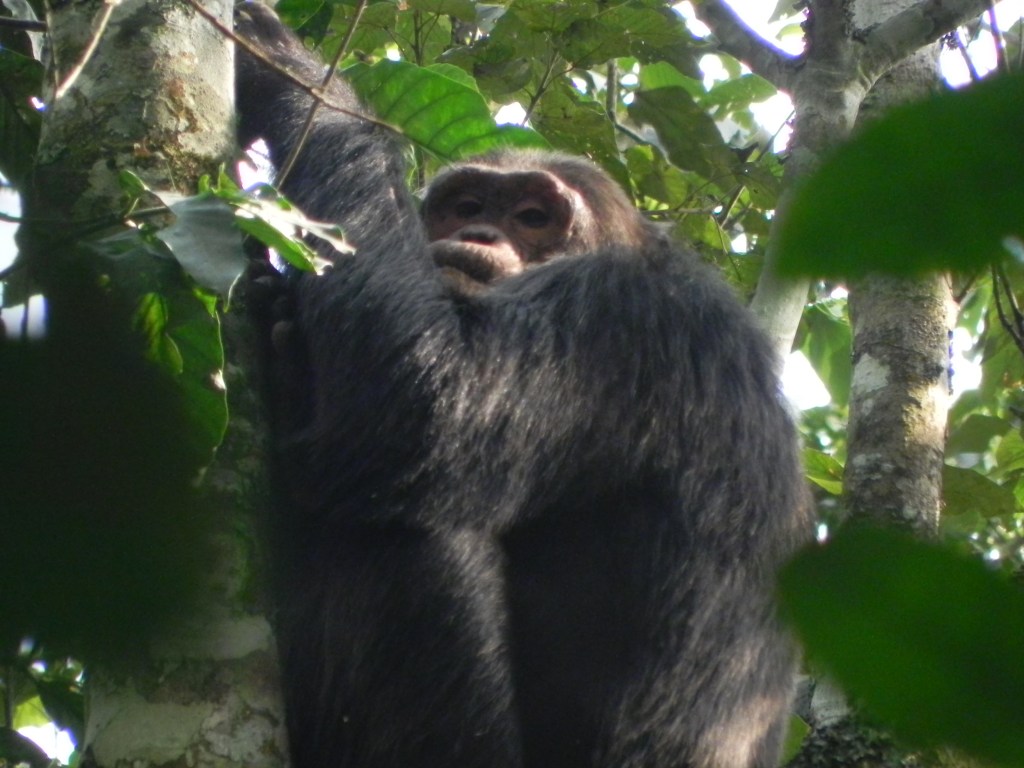
In today’s post we want to remember and celebrate the legacy of Jane Goodall, a pioneer female researcher in primatology, who make us change the way we see humans, chimps and all primates. There are so many lessons Jane taught us…from never give up if we really wanted something, to appreciate nature and the value each living thing has just for being in this planet and to have hope that we can have a better future in which humans and the rest of the planet can live in peace…

Life has given me many opportunities, one of those was to have a few minutes chat with Jane Goodall in 2010. At that time I was feeling frustrated for not being able to talk with the different productive sectors that converge in my study area (palm oil, cattle ranchers, among others), in just a few minutes she just listened me and said to keep going and continue trying, just don’t give up…a lesson she always were repeating as one of the reason to continue working for nature and keep having hope for our planet. I’m not sure I’m exactly in speaking terms with those productive sectors but I keep trying and continue to try for as many years as I’ll be able to do it, our monkeys and other native fauna needed.

Another of the many stories she used to tell in her talks was how many of the professors in Cambridge told her that she shouldn’t say primates have personalities, even after three decades some of my own professor used to tell me the same thing. When I started, I was studying the development of red howler monkeys and I remember that for me, part of the differences that I was observing in the way the females were behaving around their infants seems to be related to their own personalities, their own life histories, but my professor though I was not scientific enough by saying that. I still agree with Jane that primates had personalities and that definitely influence the way in which they respond and behave in different situations…

Thank you, Jane, for your inspiration, for giving us hope and for sharing your love for animals with all of us. Rest in peace…

If you want to support our activities, please visit https://fineartamerica.com/art/xyomara+carretero or get in contact with us at xcarretero@gmail.com if you want to collaborate, donate or volunteer in our activities. You can also support our activities by buying our ornate titi monkeys stuff dolls https://www.instagram.com/p/Ctm_sEORvk8/?igshid=MzRlODBiNWFlZA== and our new journals in Amazon https://www.amazon.com/X-Carretero/dp/B0CWD1DBJM/ref=mp_s_a_1_1?© Copyright Disclaimer. All pictures used on this web page are protected with copyrights to Xyomara Carretero-Pinzón. If you want to use any of these pictures, please leave a message on the website or contact xcarretero@gmail.com
Monkey Forest Tales: news from the field: squirrel monkeys and more

In today’s post we are talking about the new project we are starting this year to review the distribution and habitat available for the Colombian squirrel monkey (Saimiri albigena) and its limits with the Humboldt’s squirrel monkeys (Saimiri cassiquiarensis). Colombian squirrel monkeys is a Vulnerable species that live in large groups with several females, males, juveniles and babies. In this new project we are recording locations of the two squirrel monkey’s species in mostly all the departments in which Colombian squirrel monkeys live, except by Arauca department.

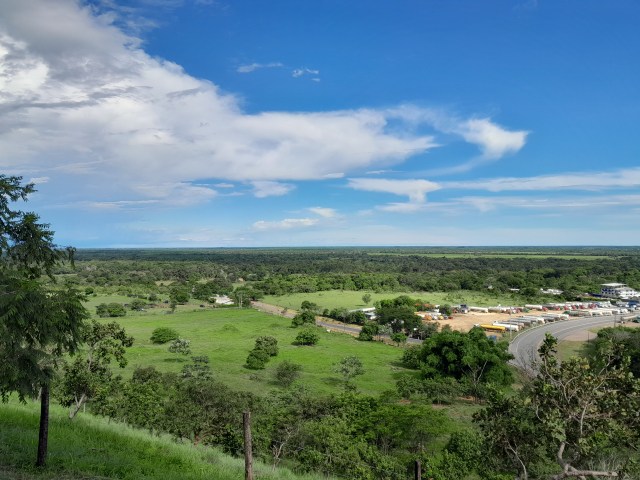
Our first sampling was in Casanare department, where road census takes us to new areas, sees interesting landscapes and we discover new things. Red howler monkeys (Alouatta seniculus) give us surprises as they have small babies, and squirrel monkeys give us new data. New areas are always exciting as we discover new possibilities. It’s also a challenging project where new threats appear and very long sampling hours in the sun and rain.

Despite the long hours, fieldwork is always rewarding and gives me more questions than answers, which is what I love about science. Science is about curiosity and asking questions about the things and patterns we saw, and fieldwork never disappoint me on that…so for now more questions are arising and hopefully some answers in the process.

We also had the opportunity to meet incredible people from a private reserve “La Reserva” in Barranca de Upia, where howler monkeys and squirrel monkeys allow us to see them and black-capped capuchins just let us hear them. A reserve with an incredible process of natural regeneration that is starting to attract birds and monkeys and giving them more need it habitat.

We continue with our monitoring of squirrel monkeys in Villavicencio as we see babies born this year to grow up…and we had the opportunity to present our work in a local forum organized by a local NGO where several organizations share their results with a general public, including school students.

If you want to support our activities, please visit https://fineartamerica.com/art/xyomara+carretero or get in contact with us at xcarretero@gmail.com if you want to collaborate, donate or volunteer in our activities. You can also support our activities by buying our ornate titi monkeys stuff dolls https://www.instagram.com/p/Ctm_sEORvk8/?igshid=MzRlODBiNWFlZA== and our new journals in Amazon https://www.amazon.com/X-Carretero/dp/B0CWD1DBJM/ref=mp_s_a_1_1?© Copyright Disclaimer. All pictures used on this web page are protected with copyrights to Xyomara Carretero-Pinzón. If you want to use any of these pictures, please leave a message on the website or contact xcarretero@gmail.com
Monkey Forest Tales:

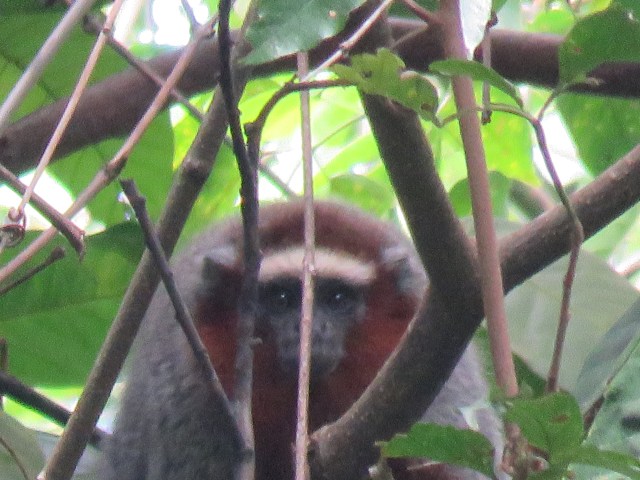
The past September 1rst we celebrate International Primate Day, a day to raise awareness about the importance of this charismatic and important group of mammals of which we are part. Every time there is an environmental celebration day my mind reflects on how much we have done to really raise awareness about a specific environmental topic. This week was similar and I was reflecting on my personal work and how much impact I had made through Proyecto Zocay to raise awareness about all the primate species that share our planet with us, but especially the ones in my study area… and I have to recognize that there is still too much to do and so much to learn from them…

In a world in which all our activities impact the lives of so many primates around us and how they found strategies to adapt to the challenges they face by living close to us, it is also inevitable that we found conflict between humans and primates…For me is always challenging to mediate those conflicts, especially when I know the behavior monkeys does, like crop feeding is just their strategy to compensate for the loss of resources in an area caused by deforestation. However, I also understand the frustration and need local people in areas close to forest have to growth their crops to eat and get financial resources for their lives. For me it is always a difficult situation that requires understanding and empathy for both people and monkeys…

Despite all the efforts around the world to protect primates, most of the species are threatened in some way due to our economic activities and it seems the actions we are taking are not enough or not at a speed enough to allow many species to recover. So, what else we can do… I guess keep trying and do the best we can for the primates living near to us, even if that sometimes looks like it is not enough. Keep raising awareness and keep educating others about how smart and important primates are for our forest. Talking about their threats and searching for solutions together is part of raising awareness about primates’ conservation, support research so we understand better how they relate with their environment and how they behave and keep sharing the stories of the people working with and for them…

If you want to support our activities, please visit https://fineartamerica.com/art/xyomara+carretero or get in contact with us at xcarretero@gmail.com if you want to collaborate, donate or volunteer in our activities. You can also support our activities by buying our ornate titi monkeys stuff dolls https://www.instagram.com/p/Ctm_sEORvk8/?igshid=MzRlODBiNWFlZA== and our new journals in Amazon https://www.amazon.com/X-Carretero/dp/B0CWD1DBJM/ref=mp_s_a_1_1?© Copyright Disclaimer. All pictures used on this web page are protected with copyrights to Xyomara Carretero-Pinzón. Copyrights of pictures in this blog post belongs to Francisco Gomez and Xyomara Carretero-Pinzón. If you want to use any of these pictures, please leave a message on the website or contact xcarretero@gmail.com

Monkey Forest Tales: A chapter about densities, behavior and conservation of Ornate Titi Monkeys (Español abajo)

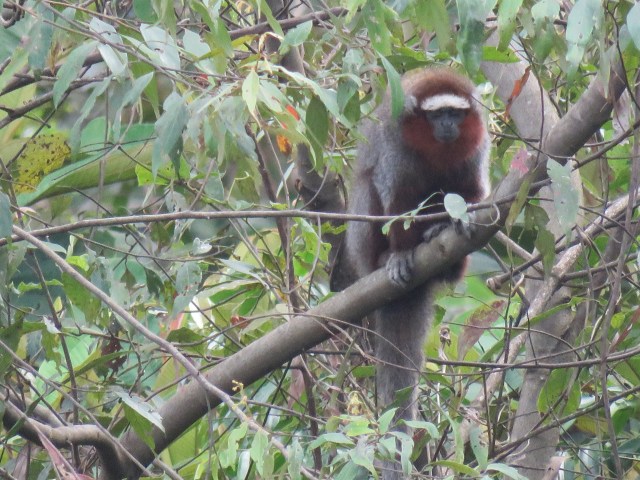
In today’s post, we continue with our series of articles based on information we had been collecting in the study area over the past 21 years. We are going to talk about a chapter in which we use data of densities, behavior and conservation of ornate titi monkeys (Plecturocebus ornatus). This chapter was again a collaboration with Dr. Thomas Defler, who had incentivized my work with this endemic species.

In this chapter we describe the densities of titi monkeys in forest fragments of different sizes (i.e. how many individuals of a species are found in a delimited area). This work describes the work we both do in one of the largest forest fragments in the department of Meta, a forest fragment of more than 1000 hectares. For this fragment, ornate titi monkeys have higher densities in the edges of the forest fragment than in the interiors. This seems to be related to a more diversity of plants found also in the forest fragment edges. We also found that forest fragment size, i.e. how big the forest is, is not a determinant of the density and group size of this species as we thought it could be.

Ornate titi monkeys show a high ecological plasticity, which means that this species is adaptable ecologically to fragments and this adaptability seems to be related with the use of forest edges that this species does. We also reported the presence of small infants (babies) during the dry season in the area (December – March). Also we reported a small list of plants of which this species eats their fruits, that can be used in reforestation projects.

Español: Un capítulo acerca de las densidades, comportamiento y conservación del mono zocay

En el blog de hoy continuamos con nuestra serie de artículos basados en la información que hemos venido colectando en el área de estudio del Proyecto Zocay en los últimos 21 años. Vamos a hablar de un capítulo de libro en el cual usamos datos de densidades, comportamiento y conservación del mono zocay (Plecturocebus ornatus). Este capítulo también fue una colaboración con el Dr. Thomas Defler, quien ha motivado mi trabajo con esta especie endémica.

En este capítulo describimos las densidades de los monos zocay en fragmentos de bosque de diferentes tamaños (es decir, qué tantos individuos de la especie se encuentran en un área delimitada). Este trabajo describe el trabajo que ambos hicimos en uno de los fragmentos de bosque más grandes en el departamento del Meta, un fragmento de bosque de más de 1000 hectáreas. Para este fragmento, los monos zocay tiene densidades más altas en los bordes del fragmento de bosque que en el interior. Esto parece estar relacionado con una mayor diversidad de plantas en el borde del fragmento de bosque. También encontramos que el tamaño del fragmento de bosque, es decir que tan grande es un bosque, no es un determinante de la densidad y tamaño del grupo de monos zocay, como nosotros pensábamos.

Los monos zocay muestran una alta plasticidad ecológica, lo que significa que esta especie es adaptable ecológicamente a los fragmentos y esta adaptabilidad parece estar relacionada con el uso de los bordes de los fragmentos de bosque que esta especie hace. También reportamos la presencia de bebes de la especie durante la época seca en el área (Diciembre a Marzo). También reportamos una lista pequeña de plantas de las que la especie come frutos que puede ser usada en proyectos de reforestación.

If you want to support our activities, please visit https://fineartamerica.com/art/xyomara+carretero or get in contact with us at xcarretero@gmail.com if you want to collaborate, donate or volunteer in our activities. You can also support our activities by buying our ornate titi monkeys stuff dolls https://www.instagram.com/p/Ctm_sEORvk8/?igshid=MzRlODBiNWFlZA== and our new journals in Amazon https://www.amazon.com/X-Carretero/dp/B0CWD1DBJM/ref=mp_s_a_1_1?
© Copyright Disclaimer. All pictures used on this web page are protected with copyrights to Xyomara Carretero-Pinzón. Pictures in this blog are also protected with cpyrights to Cesar Angel. If you want to use any of these pictures, please leave a message on the website or contact xcarretero@gmail.com