Monkey Forest Tales: Reflections about IA use on science and what it means for research job

In today’s post, we want to talk a bit about some of my personal reflections about IA use on science and what it means for research. Recently I saw a few comments from people about how IA is used in different aspects of science and the impact that it will have on jobs in general and in research jobs in particular.

These comments present a current reality that coupled with the increased reduction of financial support on science around the world can shape the way we do science in the near future. And by near future I mean a few years!There is one thing in which I agree, IA can help us to speed up in our way of synthetizing information, finding patterns and even analyzing them. These increase in speed can also cause a more competitive environment in which academia measure its progress and qualify the researcher’s performance, increasing the “Publish or Perish” philosophy in which academia had been immerse over the last decades and which had caused so many fall outs and job losses.

Definitely, it can improve the way we can find literature and research gaps that otherwise will take us several years and that it is one of the longer parts in the process of doing science in many cases. However, as with models and analytical tools, the result will depend on the information it uses to find and analyze those patterns. One thing that worries me, though, is the effect IA can have on information quality, its impacts on real life systems (either human body in the case of medical research or ecosystems in the case of ecological and climate settings) and the impact it will have on financial support for research projects.

Financial support for research projects in science always had been challenging, to say the least, but if now financial agencies only want fast results and projects that involve new technologies, then what will happen with the rest of research based on less technological processes and more observational and long-term questions. We still need that kind of research to make sense of the way nature works, and how it recovers from natural and human-induced impacts.For people like me, that its not as young or as into technology as the new generations, IA represents an additional challenge to overcome apart from the already established rules and stigmas of our cultural science environment. I just hope that the essence of science is preserved and humans conserve its natural curiosity that for me it’s the base of doing science…

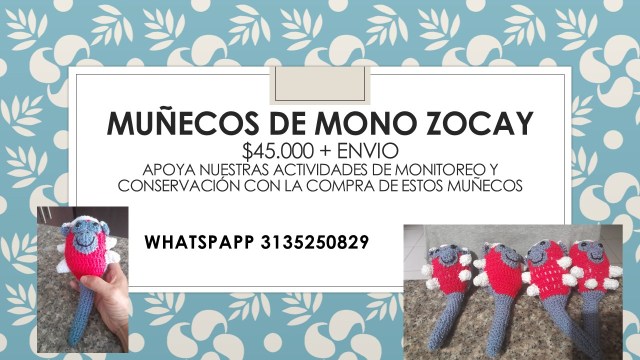
If you want to support our activities, please visit https://fineartamerica.com/art/xyomara+carretero or get in contact with us at xcarretero@gmail.com if you want to collaborate, donate or volunteer in our activities. You can also support our activities by buying our ornate titi monkeys stuff dolls https://www.instagram.com/p/Ctm_sEORvk8/?igshid=MzRlODBiNWFlZA== and our new journals in Amazon https://www.amazon.com/X-Carretero/dp/B0CWD1DBJM/ref=mp_s_a_1_1?© Copyright Disclaimer. All pictures used on this web page are protected with copyrights to Xyomara Carretero-Pinzón. If you want to use any of these pictures, please leave a message on the website or contact xcarretero@gmail.com

Monkeys Forest Tales: reflexions about citizen sciene

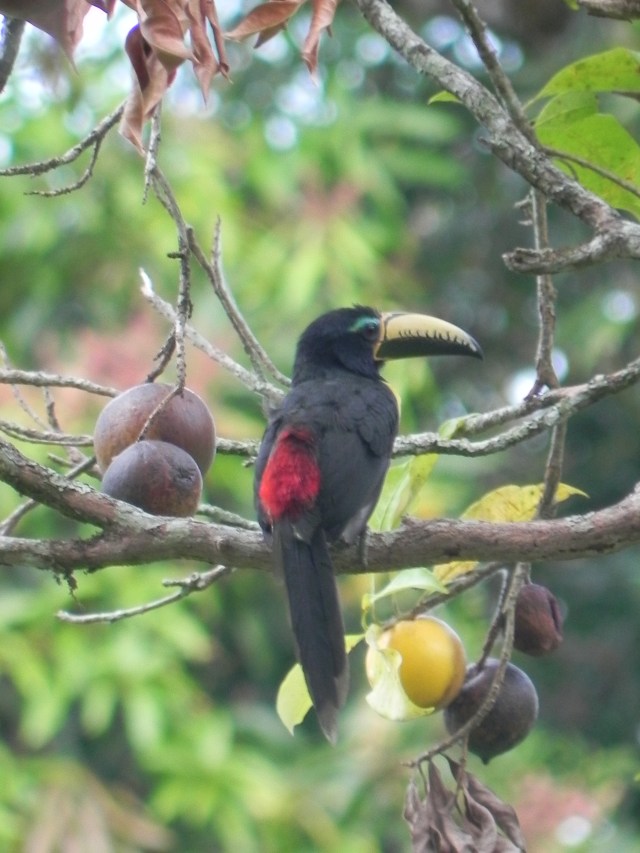
In today’s post we want to discuss citizen science. Last month we celebrated the Global Big Day, an incredible experience of citizen science that had produced an incredible amount of data about birds, their migrations, habitat use and had promoted thousands of conservation initiatives around the world. As a Colombian, the world most diverse country in birds, and despite birds not been the main focus of my career, I had also participated in this incredible effort in past years. However, recent comments and opinions on social media in the country made me reflect on the real purpose of listing animal observations.

Especially, during the last five years, I had seen a general pattern to show these citizen science exercises as some kind of competition between municipalities, departments and even countries that I consider is making more harm than good to the main purpose of these events (i.e. Global Big Day and October Big Day). The participation of citizens and public in these events should be used to promote awareness about the importance of animals, in this case birds, and highlight its threats and open spaces to discuss possible options to reduce those threats. Instead, it seems to become some kind of show in which people just compete to see who can see more animals than others.I wonder if we as scientists are also forgetting that these events are opportunities to show communities how important their ways of living are and how some of the practices they have done traditionally contribute to the number of animals they are able to record. Also, to teach kids basic skills about the most basic principle in science, the scientific method and how to apply it and used to solve everyday problems in their communities.

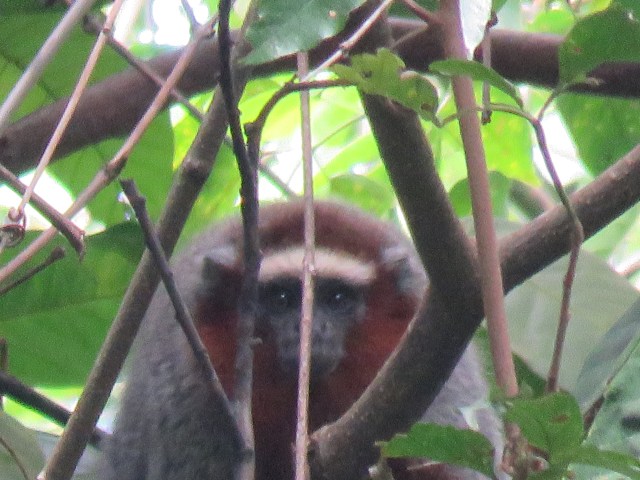
In primatology, primate watching is a merging trend that can promote primates awareness while improving economic income of local communities. As bird watching, primate watching had the potential to increase our knowledge of primate distribution, habitat use and detection of emerging threats. However, we need to be careful to not used them as a competition where the only valuable thing is just to take the picture without looking at the context in which the animals are living. Although we don’t have a platform in which we can report primates in the same way we report birds (eBird), we still can report our observations in iNaturalist platform and make that data useful for project including citizen science. Let’s enjoy observing nature, not because is a competition but because nature is beautiful and deserve protection…

If you want to support our activities, please visit https://fineartamerica.com/art/xyomara+carretero or get in contact with us at xcarretero@gmail.com if you want to collaborate, donate or volunteer in our activities. You can also support our activities by buying our ornate titi monkeys stuff dolls https://www.instagram.com/p/Ctm_sEORvk8/?igshid=MzRlODBiNWFlZA== and our new journals in Amazon https://www.amazon.com/X-Carretero/dp/B0CWD1DBJM/ref=mp_s_a_1_1?© Copyright Disclaimer. All pictures used on this web page are protected with copyrights to Xyomara Carretero-Pinzón. If you want to use any of these pictures, please leave a message on the website or contact xcarretero@gmail.com