
Monkey Forest Tales: Starting a new research project

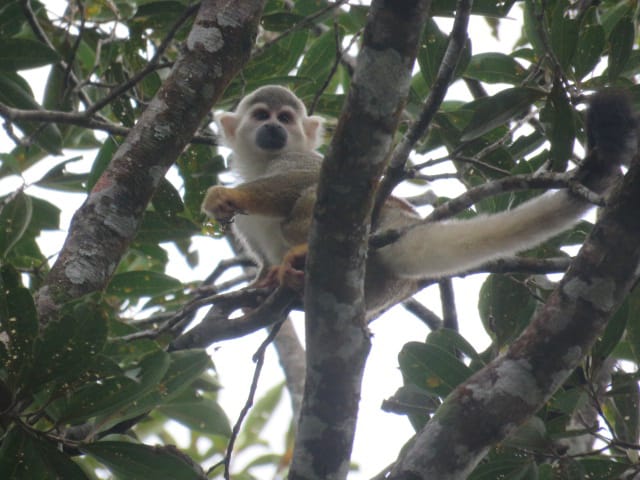
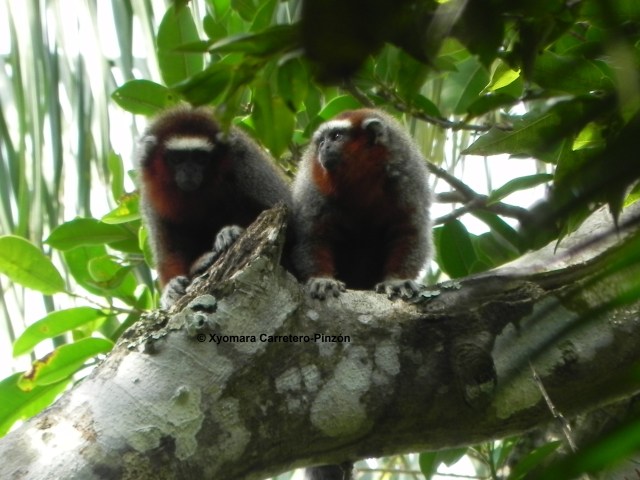
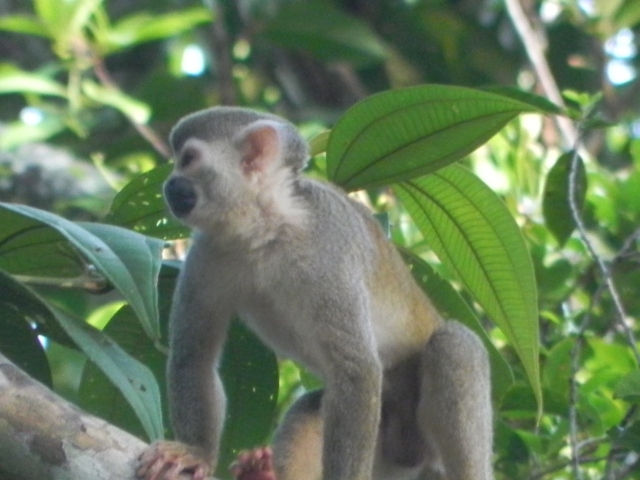
In today’s post we are talking a bit more about a new research project that Zocay Project is leading in collaboration with the Association of Colombian Primatologist (Asociación Primatológica Colombiana in Spanish) that is focus on the three endemic species present in the piedmont of Colombian Llanos. These species are ornate titi monkeys (Plecturocebus ornatus), Colombian squirrel monkeys (Saimiri albigena) and Brumback night monkeys (Aotus brumbacki). This new project is focused on the design of the Action Plan for the conservation of these three species. Unfortunately these three species are distributed in an area of economic development, which means high deforestation rates throughout their distribution and associated threats such as road killings, increased risk of conflict with local human communities due to crop raiding, isolation of their populations and its possibles consequences in terms of their genetics, more risk of disease from humans and domestic animals, illegal traffic, among others.

Why is so important to design Action Plans for species in any category of threat of extinction? Because this tool helps us to define the priority actions, we need to do to conserve those species and reduce their risk to become extinct. Although a lot of the focus is made on species Critically Endangered, if we start working with species in lower categories such as Vulnerable and Endangered, we reduce the risk that we lose these species. In our case, Brumback night monkeys and Colombian squirrel monkeys are classified as Vulnerable. Ornate titi monkeys as we had mentioned in other posts were recently suggested to be changed to Endangered, a change that was suggested only 11 years after the last revision of its conservation status. This means a rapid change in the conditions in which this endemic primate is found in their natural habitat.

We already are in the preliminary part of this project that includes meetings with experts who have made Action Plans for other monkey species, as well as experts who work with monkeys in Colombia and Latin America, especially with similar species to the one we are focusing on. We are also preparing the main event of this project that includes a workshop with different actors and institutions present in the region in which ornate titi monkeys, Colombian squirrel monkeys and Brumback night monkeys are distributed. This preparation includes multiple meetings, logistic organization and review of the available information from these species, as well as an analysis of the current habitat available for these forest-dependent monkeys. We are excited about this new opportunity to work for the conservation of endemic monkeys in Colombia and I’m personally grateful with the APC for their support. We are also grateful for the financial support of Re:wild and The Little Chalcraft Fund. More news on this in the following months.

If you want to support our activities, please visit https://fineartamerica.com/art/xyomara+carretero or get in contact with us at xcarretero@gmail.com if you want to collaborate, donate or volunteer in our activities. You can also support our activities by buying our ornate titi monkeys stuff dolls https://www.instagram.com/p/Ctm_sEORvk8/?igshid=MzRlODBiNWFlZA== and our new journals in Amazon https://www.amazon.com/X-Carretero/dp/B0CWD1DBJM/ref=mp_s_a_1_1?

© Copyright Disclaimer. All pictures used on this web page are protected with copyrights to Xyomara Carretero-Pinzón. If you want to use any of these pictures, please leave a message on the website or contact xcarretero@gmail.com
Monkey Forest Tales: field stories and reflexions

In today’s post we are sharing some of the activities we are doing on Zocay Project. As we had mentioned before we have been doing a review of the geographic distribution of the Colombian squirrel monkey (Saimiri albigena) and we are at the end of the field season of this project.

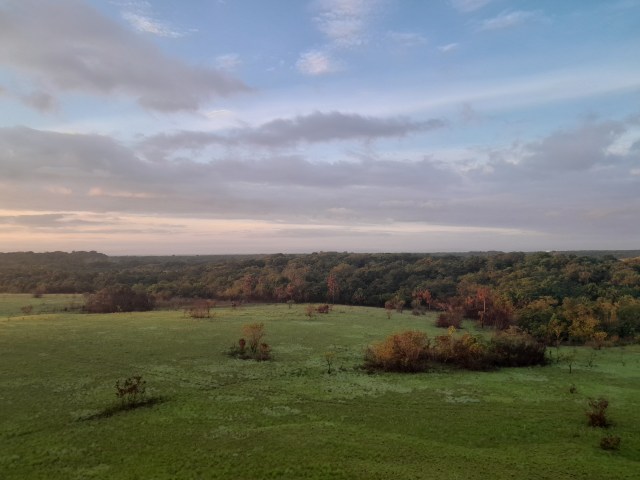
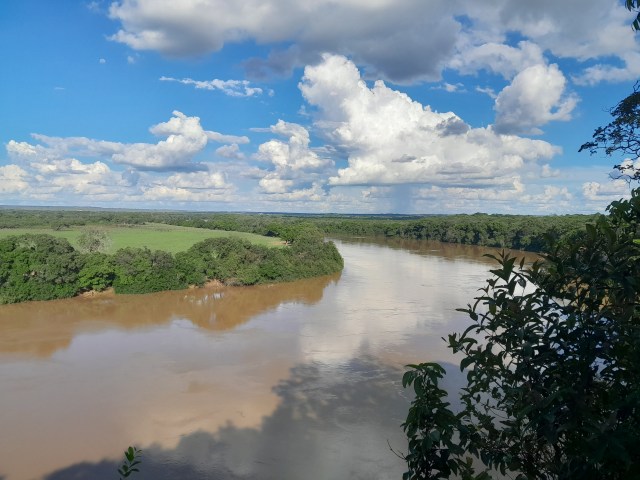
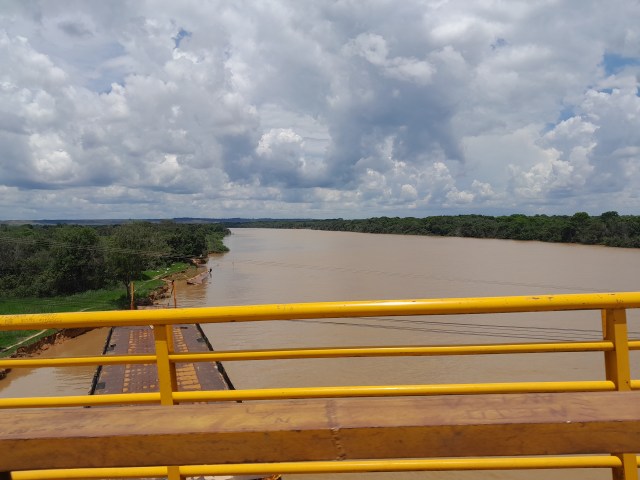
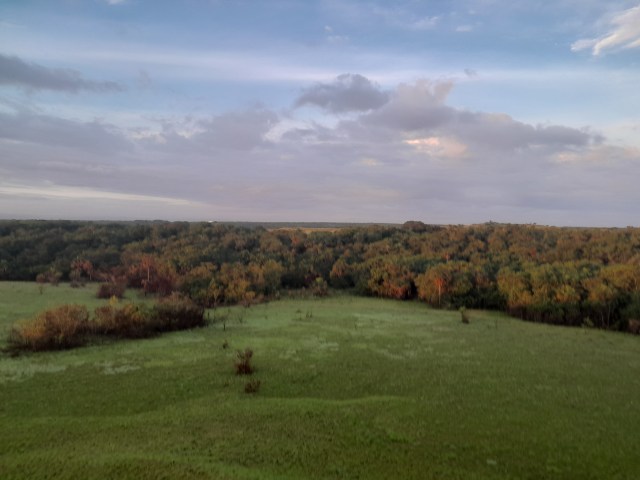
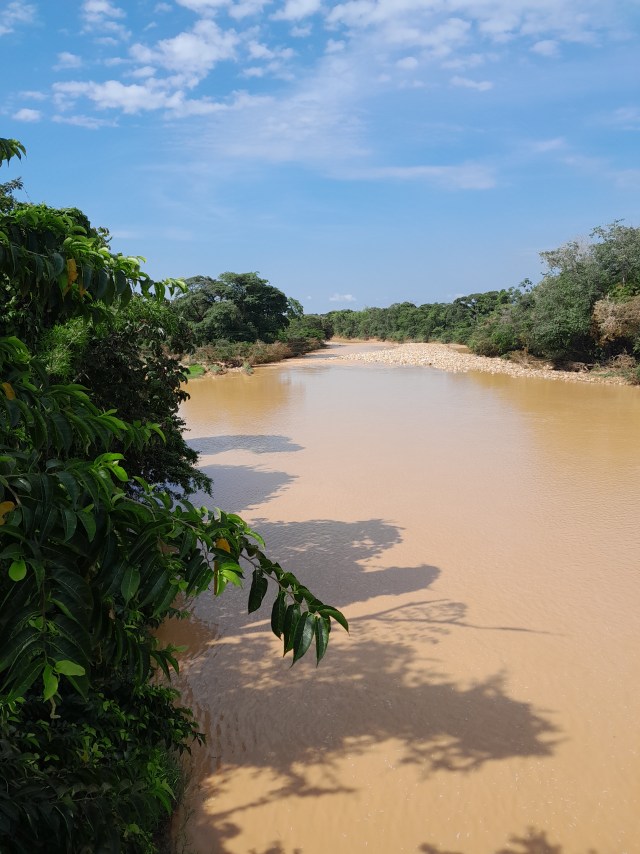
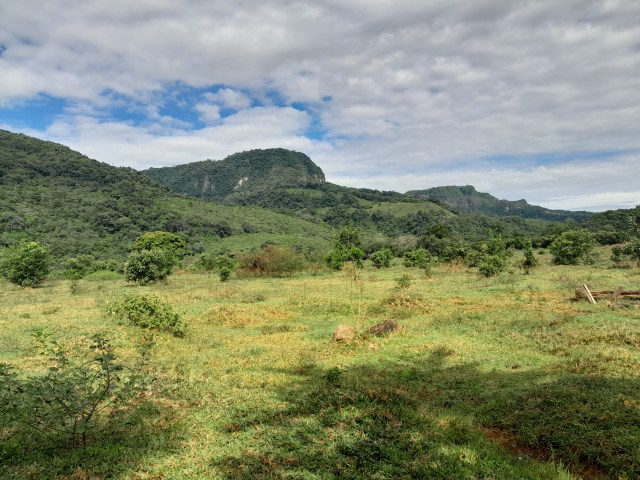
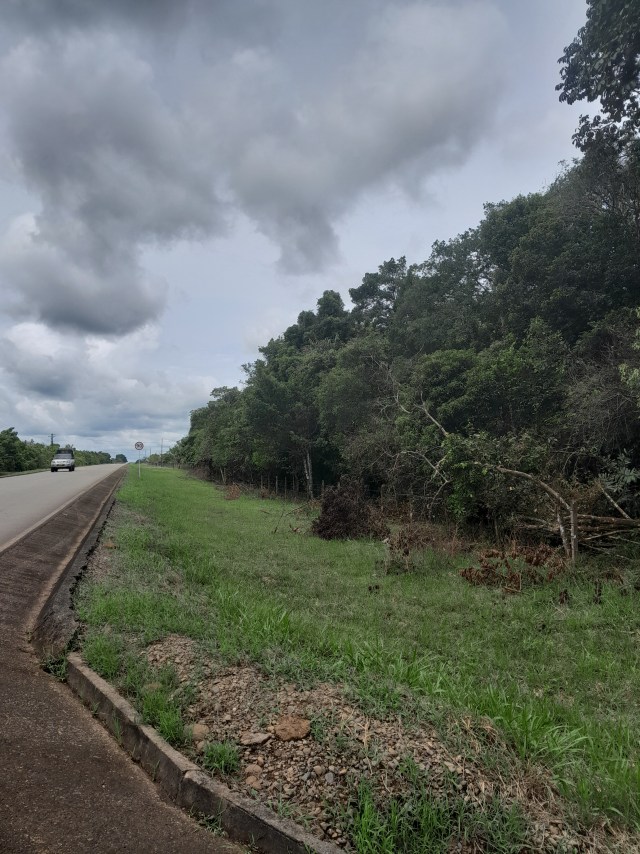
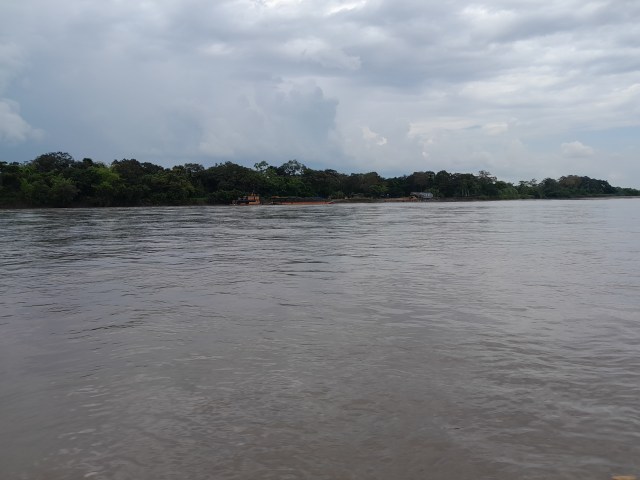
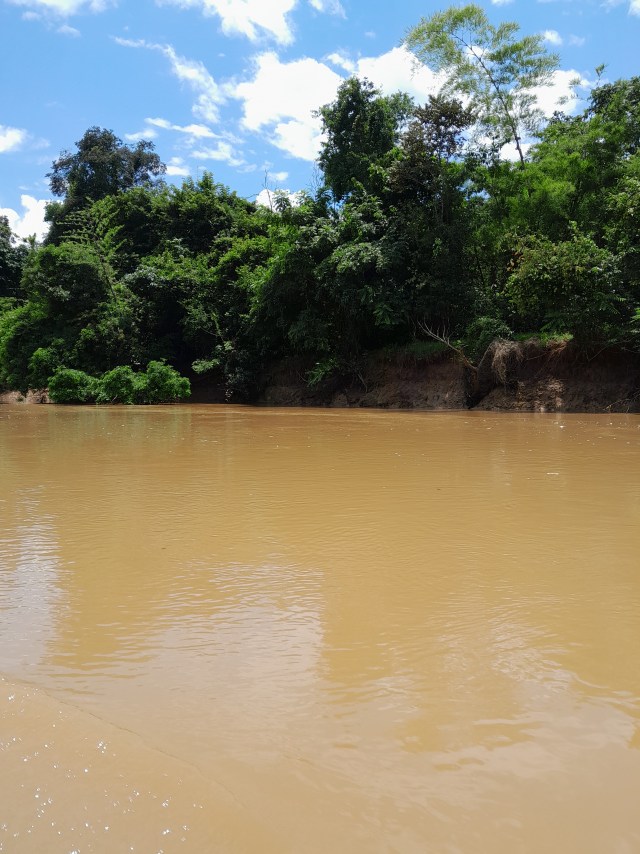
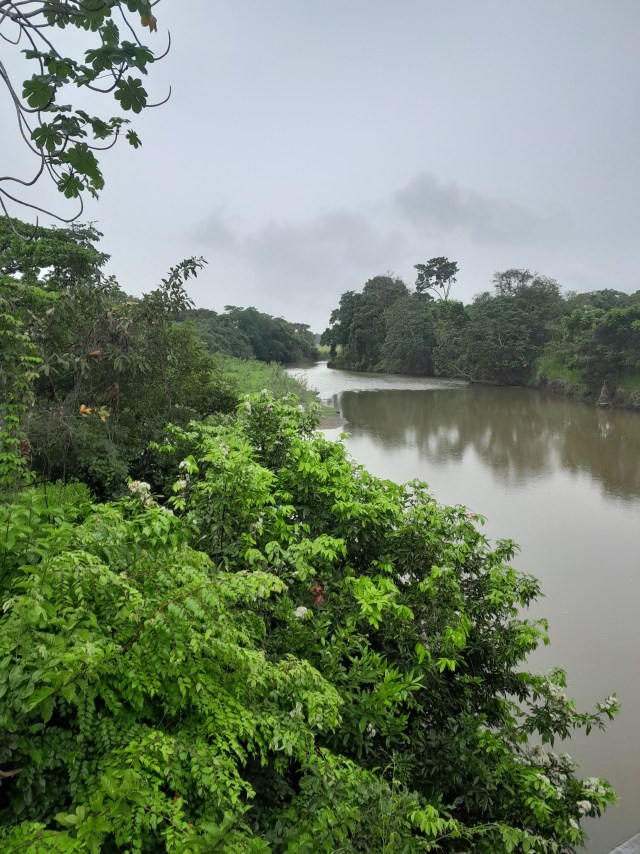
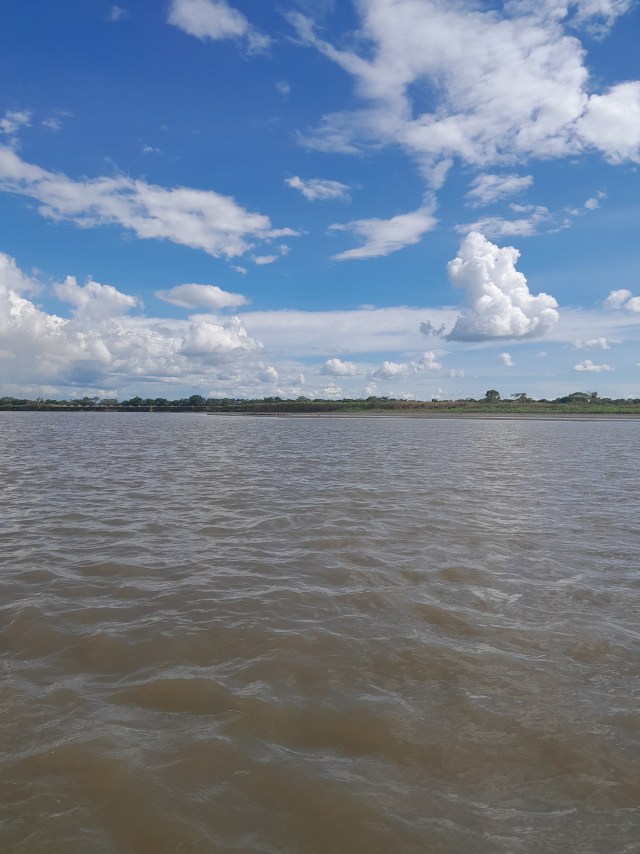
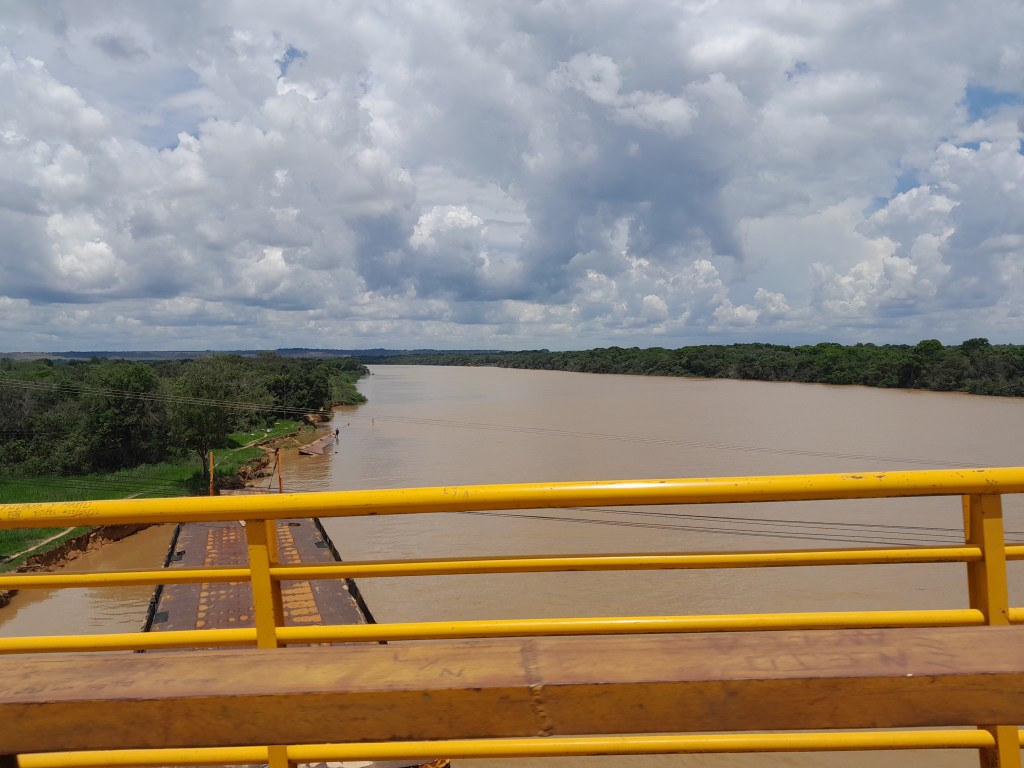
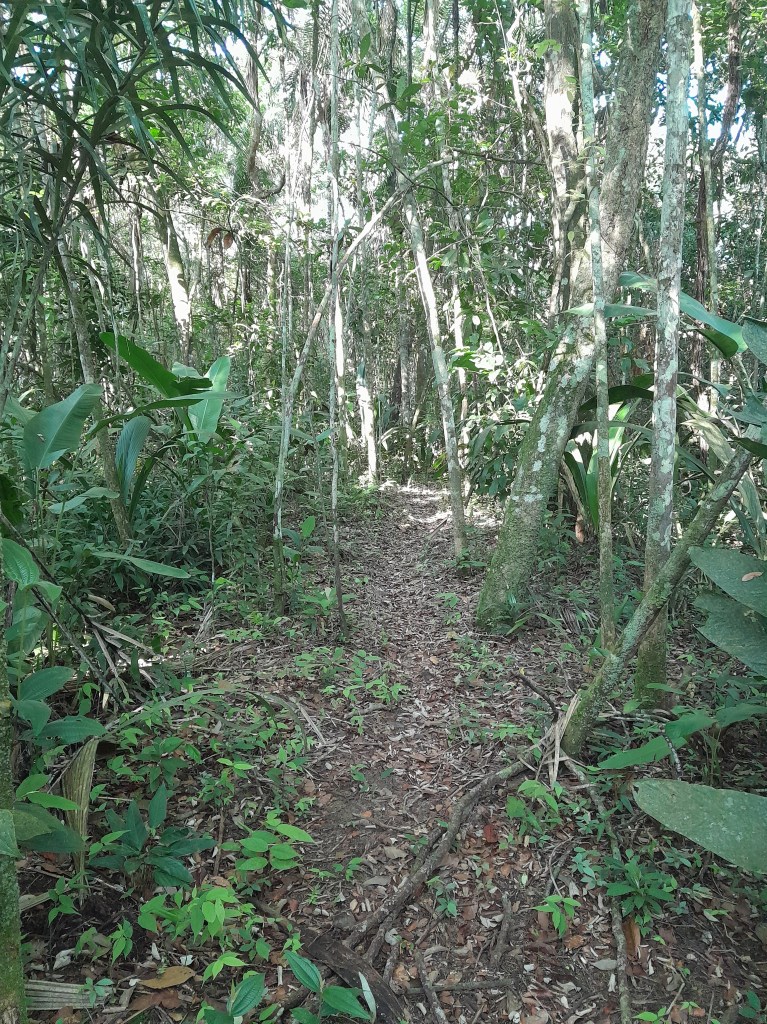
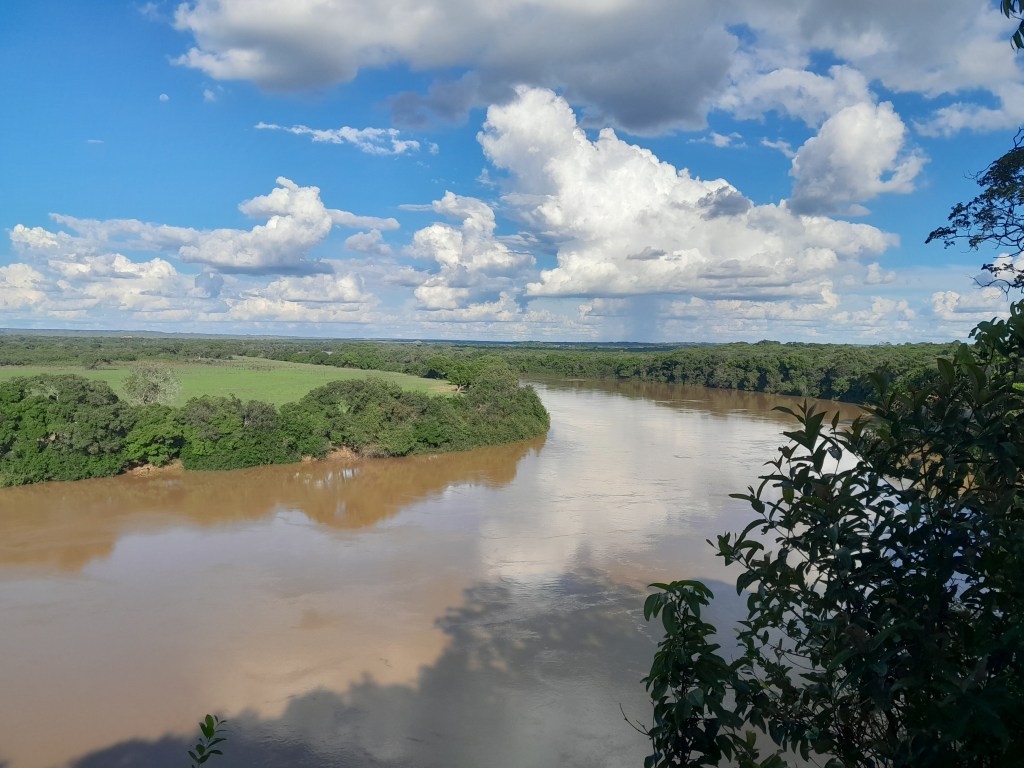
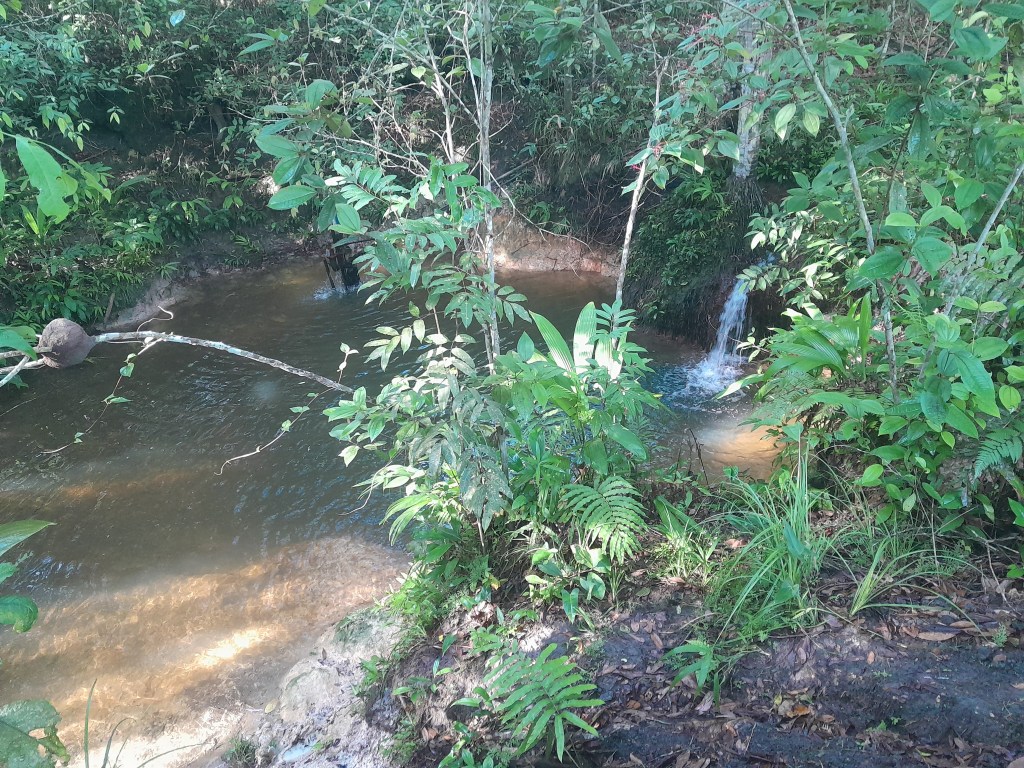
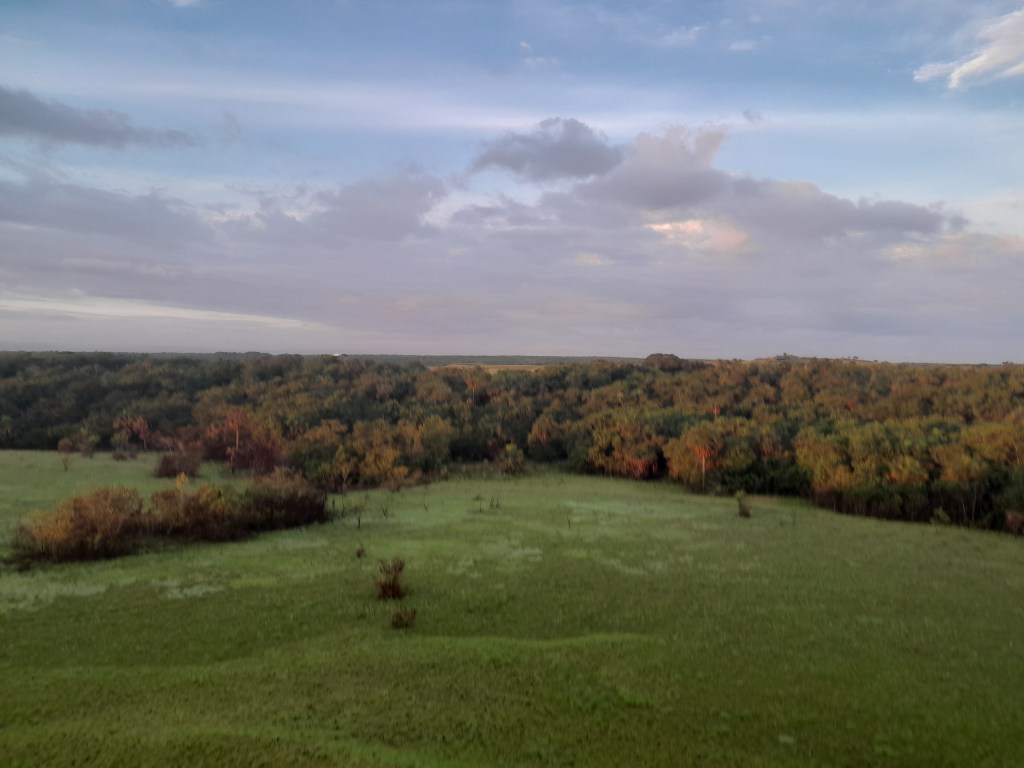
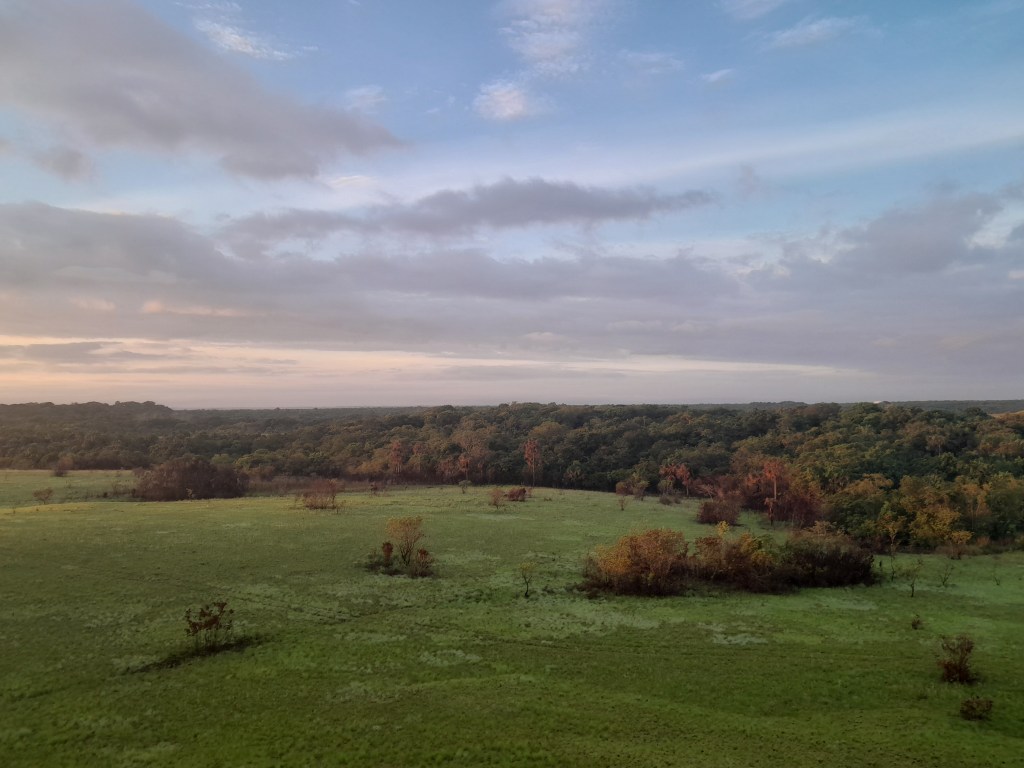
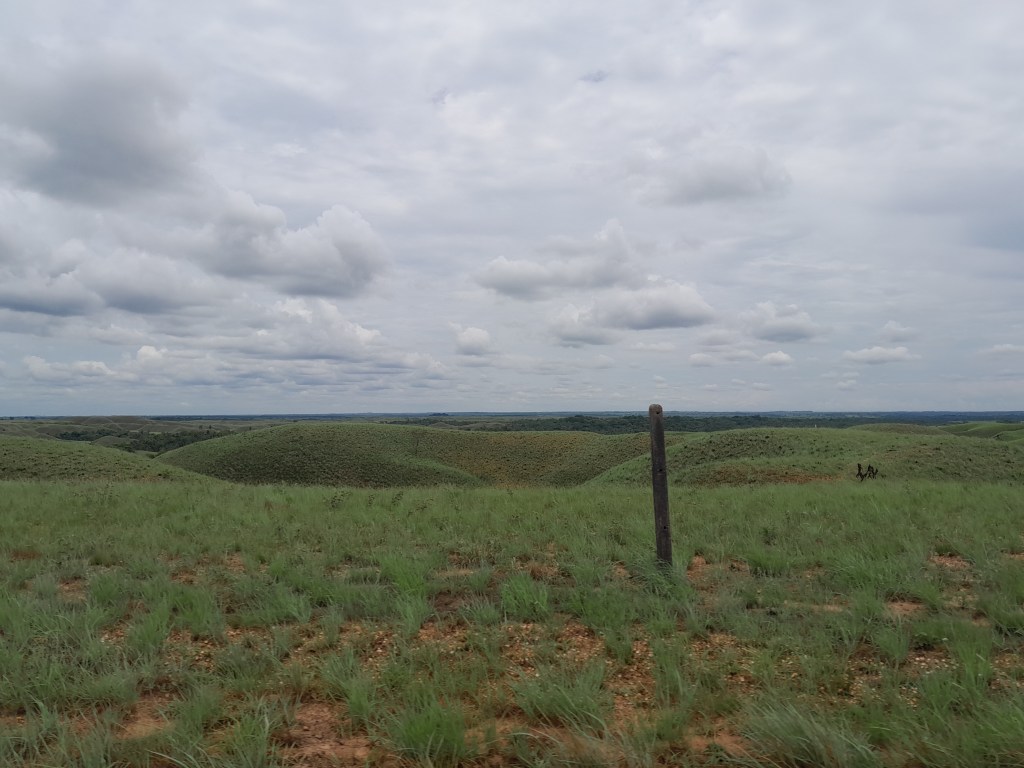
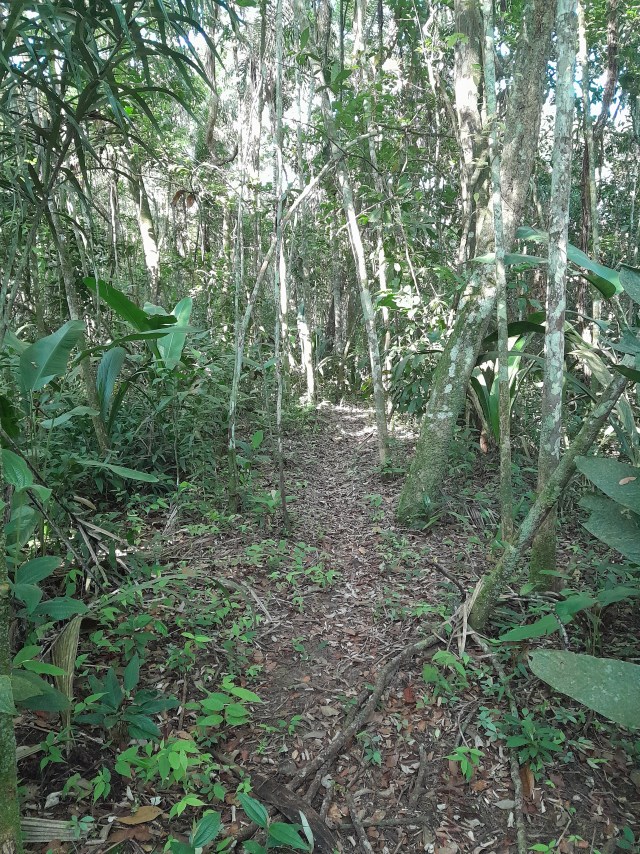
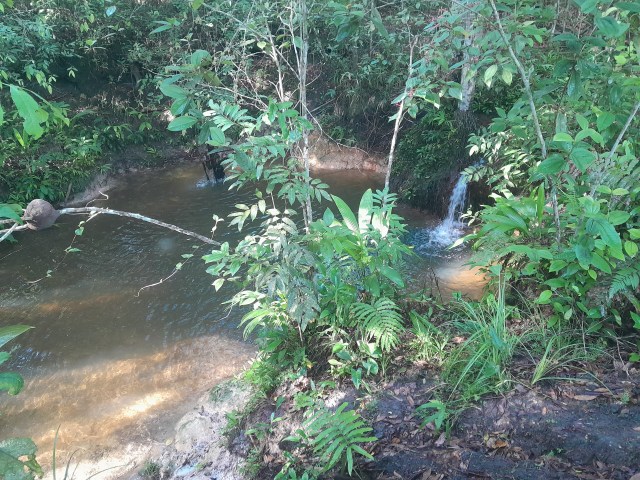
As every time we do this kind of research it is surprising how some species that you think are common and seem to be doing well in reality seem to be worse than we thought. This project had taken us to the limits of the geographic distribution of our endemic Colombian squirrel monkey and the borders of Humboldt and Colombian squirrel monkeys in Colombia. This had allowed us to visit different areas of the Orinoquia region that, due to social unrest, I thought I would never visit. Those areas included zones in which the natural savannas join the lowland forest in Vichada- Guahinia department borders and the areas where the gallery forest and natural savannas become prevalent in the east of Meta department. It also took us back to the border of Guaviare – Meta departments where the lowland forest becomes denser and the Amazonian and Orinoquian regions of Colombia join. All those areas face the same deforestation threat product of cattle ranching expansion and commercial plantations of palm oil, rubber, pine and eucalyptus that sometimes looks so alien in the middle of the dissected savannas.

This project as well as the ornate titi monkey distribution project we developed last year, had showed me the importance of combining not only the GIS skills I learned a few years back in my doctorate but also the importance of doing fieldwork, visit places and recognize the different land covers on the ground and to talk with the local people to learn more about the changes the landscape had over the past decades.It also showed me that it was a good decision to change my scale of work to include landscapes and not only one site and the importance of integrating new skills and technology in the way I do research.

When I change my focus from traditional primatology, following one group of monkeys, for a landscape ecology approach, in which multiple sites, multiple monkeys species and land cover changes are analyzed together, I wasn’t sure if it was the right decision for me, but now I feel is not only right but necessary to not only understand the processes happening in the ecosystems in which the monkeys live but also a way to find solutions and mitigation actions that allow us to conserve primate species in these type of highly transformed landscapes. Will see where this path will take me and Zocay Project in the future…

If you want to support our activities, please visit https://fineartamerica.com/art/xyomara+carretero or get in contact with us at xcarretero@gmail.com if you want to collaborate, donate or volunteer in our activities. You can also support our activities by buying our ornate titi monkeys stuff dolls https://www.instagram.com/p/Ctm_sEORvk8/?igshid=MzRlODBiNWFlZA== and our new journals in Amazon https://www.amazon.com/X-Carretero/dp/B0CWD1DBJM/ref=mp_s_a_1_1?© Copyright Disclaimer. All pictures used on this web page are protected with copyrights to Xyomara Carretero-Pinzón. If you want to use any of these pictures, please leave a message on the website or contact xcarretero@gmail.com
Monkey Forest Tales: Celebrating Earth Month!!!

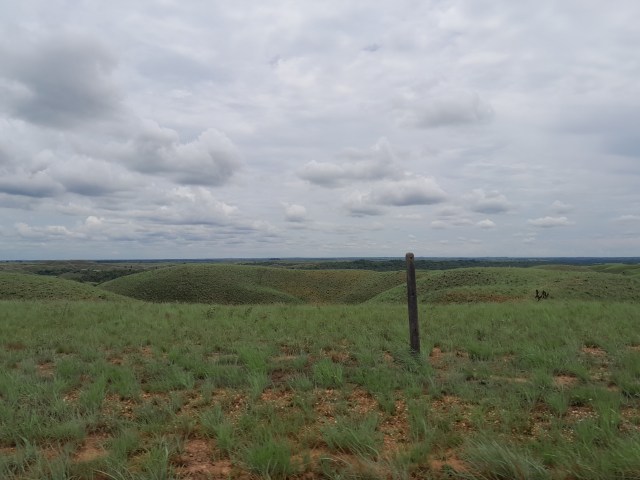
In today’s blog we want to take some time to reflect on the celebration of Earth month. This month I had the opportunity to visit several places as part of some personal consultancies as well as part of the activities that Zocay Project is doing at the moment. These activities have made me reflect on the impacts we individually have on our planet and the efforts people in different regions are making to protect the native flora and fauna, especially in areas where developing activities are around them impacting the same flora and fauna they want to conserve. Looking at their commitment and how some of them have changed the way they see native wildlife now that they understand their importance for ecosystems and for their quality of life, make me think that we have hope for the future of our planet but at the same time make me wonder if there is still time to save what we have left.

I also want to celebrate Earth month, that by the way we should celebrate all year around not one day or month, by recognizing the responsibility that my work and the work of Zocay Project does every day to understand how monkeys and sometimes other wildlife persist in landscapes in which human activities are prevalent. It is amazing sometimes how flexible plants and animals are and how wonderful nature is by itself and its capacity to recover despite the effects our activities have on them. However, we are really pushing Earth limits to its resilience, and it seems we forget that we only have this one planet to live on, I just hope we still have time to reverse some of the effects of our activities. Let’s celebrate the beauty and resilience of Nature and the Orinoquia region in Colombia and all its wildlife today and every day.

If you want to support our activities, please visit https://fineartamerica.com/art/xyomara+carretero or get in contact with us at xcarretero@gmail.com if you want to collaborate, donate or volunteer in our activities. You can also support our activities by buying our ornate titi monkeys stuff dolls https://www.instagram.com/p/Ctm_sEORvk8/?igshid=MzRlODBiNWFlZA== and our new journals in Amazon https://www.amazon.com/X-Carretero/dp/B0CWD1DBJM/ref=mp_s_a_1_1?© Copyright Disclaimer. All pictures used on this web page are protected with copyrights to Xyomara Carretero-Pinzón. If you want to use any of these pictures, please leave a message on the website or contact xcarretero@gmail.com