
Monkey Forest Tales: Balance of our activities in 2025

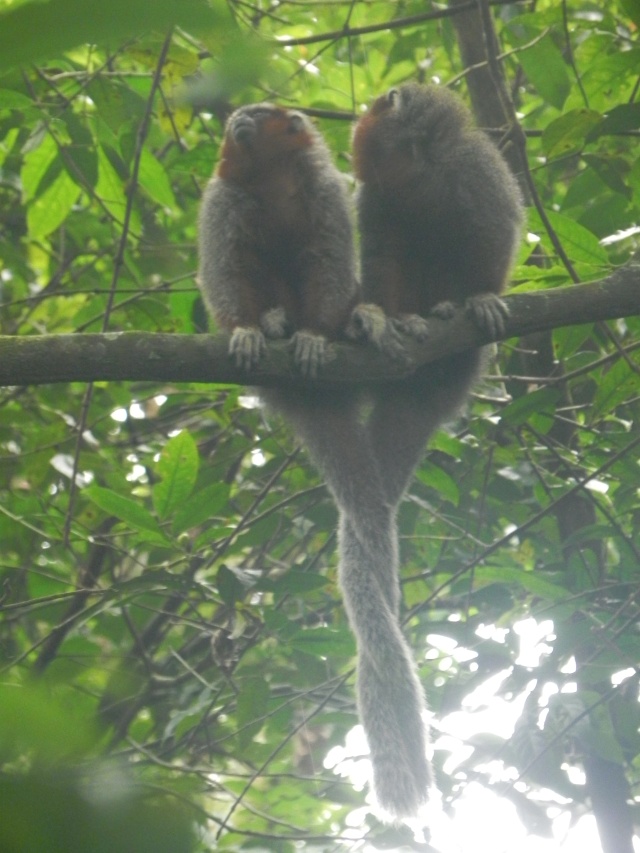
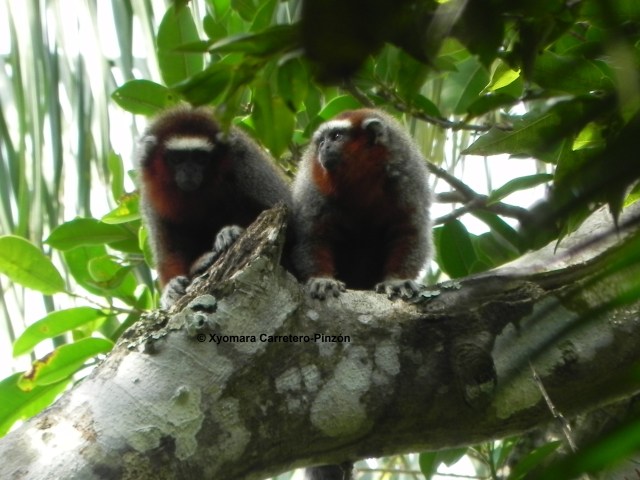
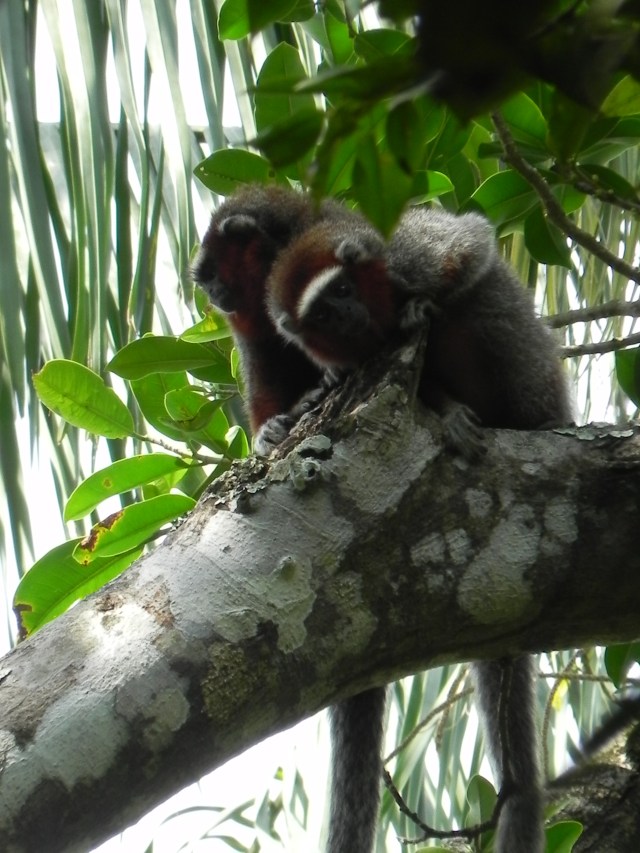
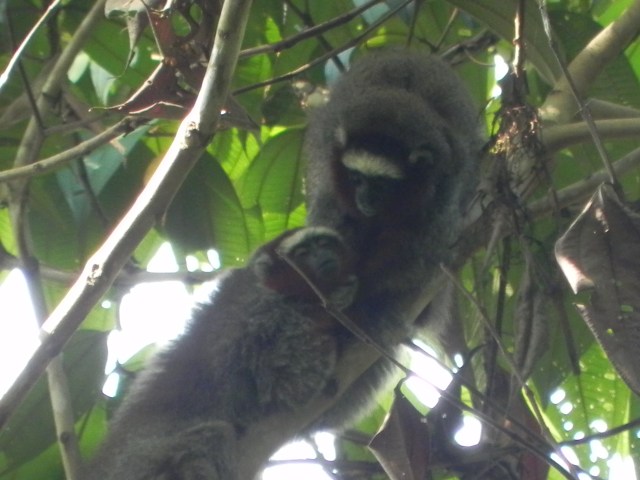
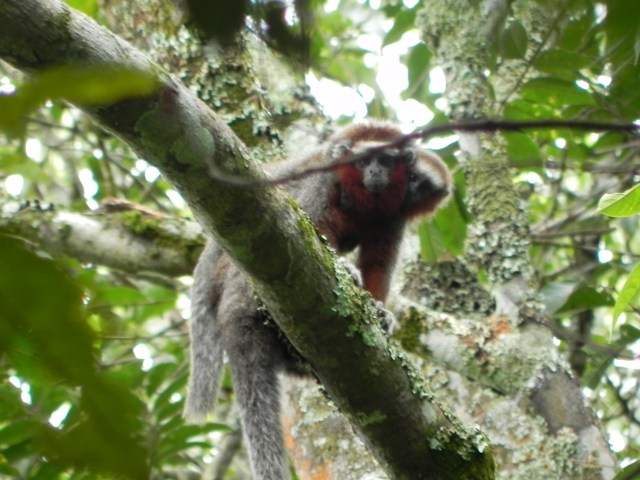
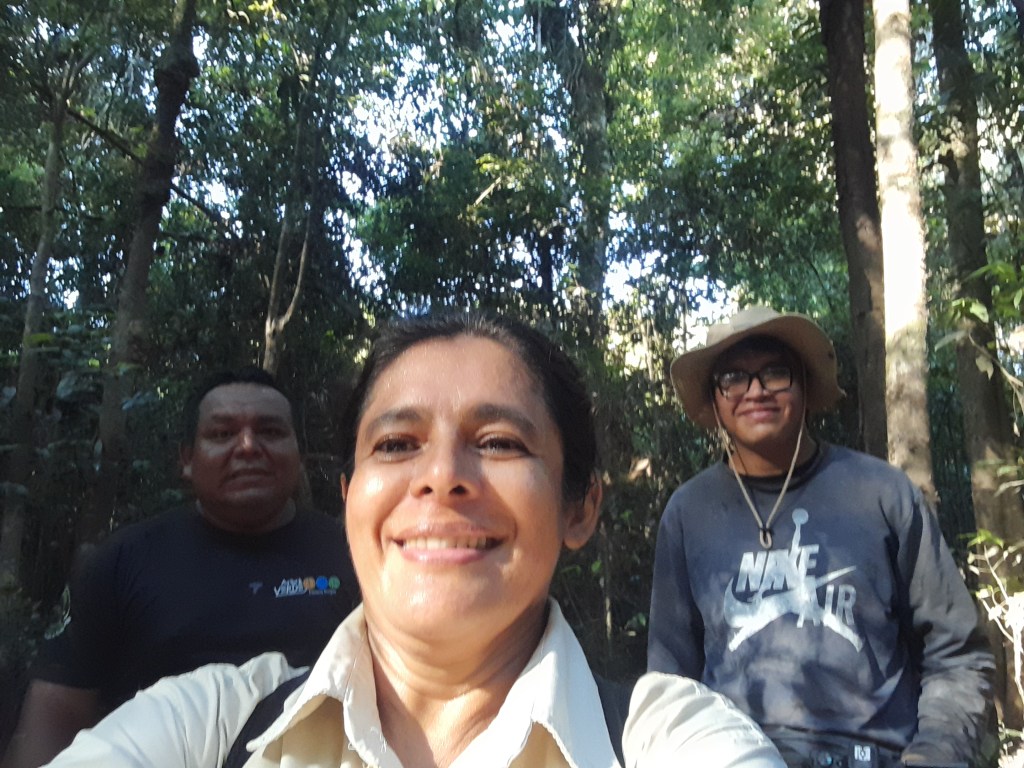
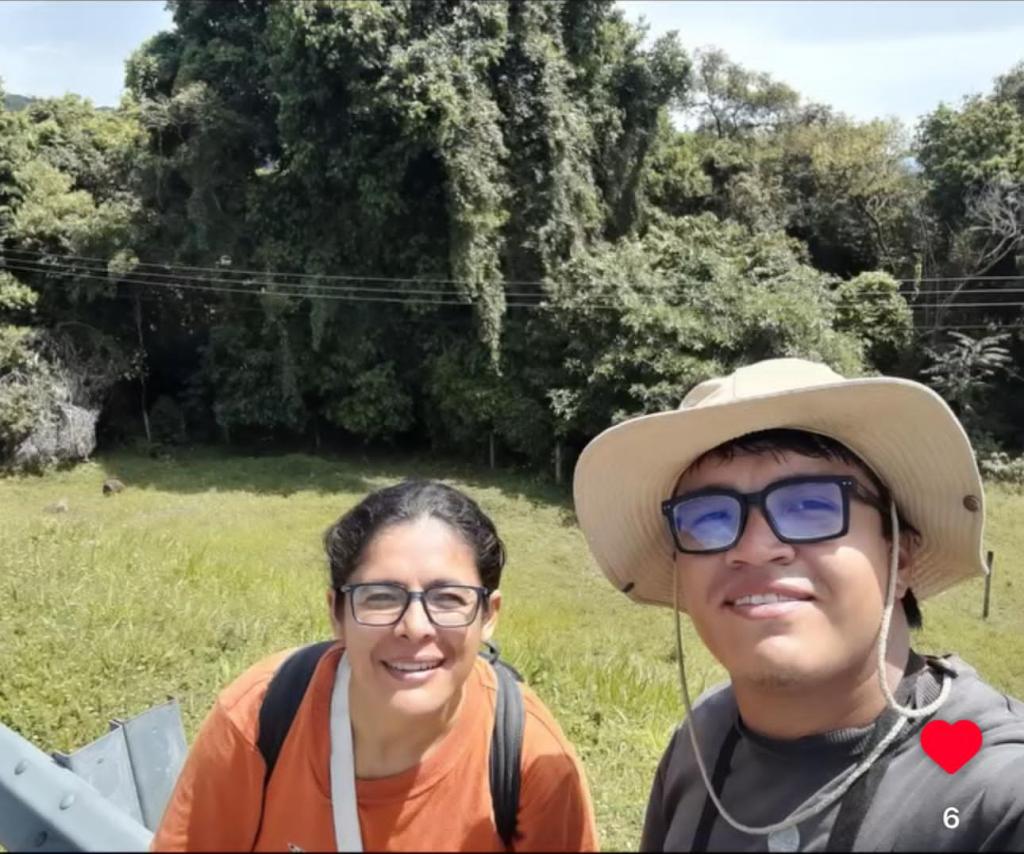
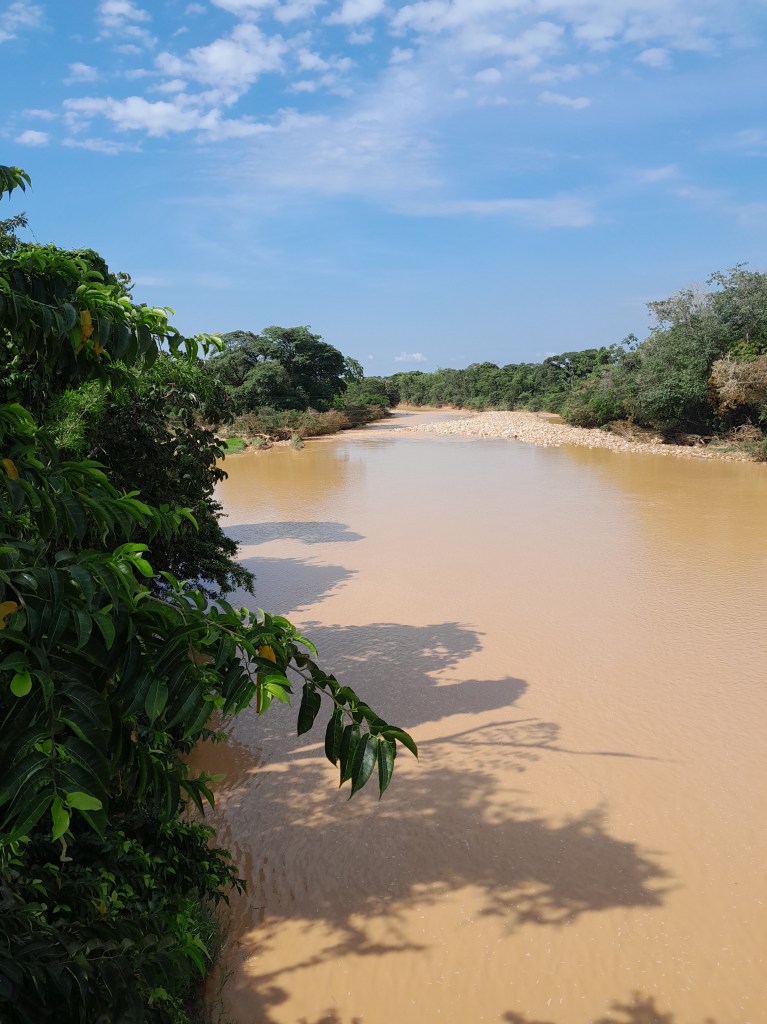
As the year is ending we want to talk today about the projects and activities we develop this year. Probably one of the main goals of 2025 was finishing the project focus on the distribution of the ornate titi monkey (Plecturocebus ornatus). This project started in 2024 and we were able to finished, including the publication of its result in 2025. Although our results were more discouraging than we expected and we had to change this endemic species to a more threatened with extinction category (i.e. they have more risk to disappear in the near future than before), at least know we know what we need to do and we hope that we can make a difference for them in the next few years.We have the opportunity to showed these results in different scenarios and talk about this endemic species to different audiences, from kids to land owners and conservation organizations and other academics in our region and internationally. This project was possible thanks to the incredible support of Little Chalcraft Fund – Rewild and Primate Conservation Inc, we are grateful for their support.

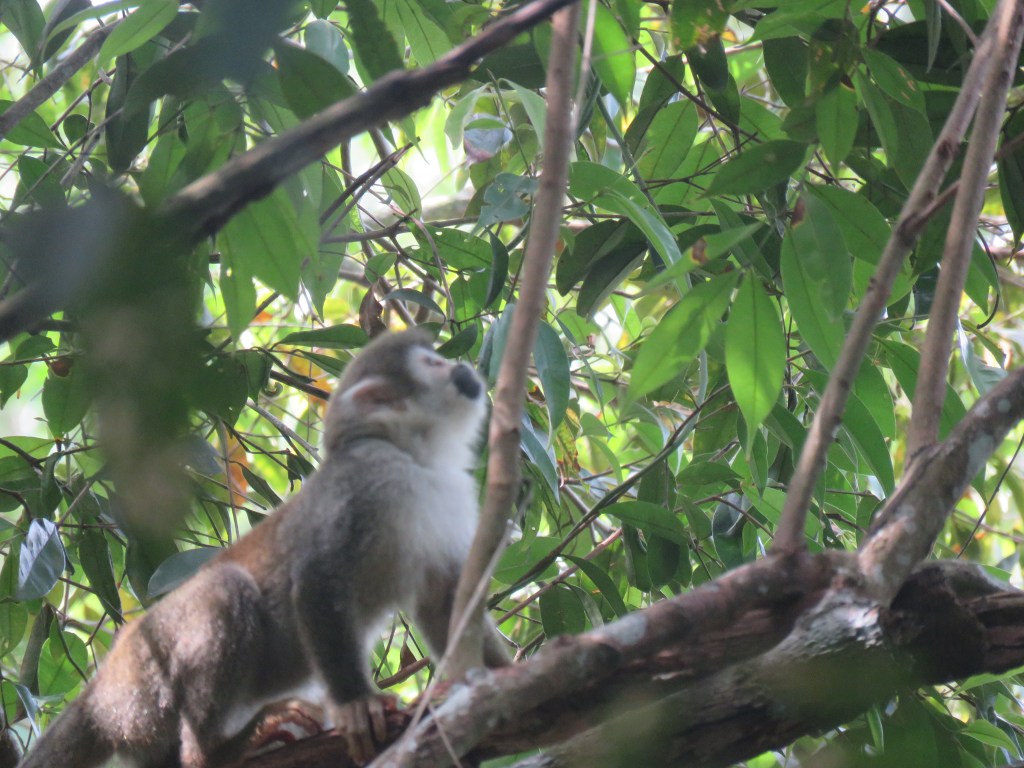
We also started a new project focus on the distribution of another endemic species (Saimiri albigena), a species that is close to my heart as I did my undergraduate and master thesis focus only on this species and is one of the species most found in centers for animals suffering from traffic for pets market in some parts of Colombia. In 2025 we were able to make half of our planned samplings and we are starting to process that data. This project is supported by Rewild.

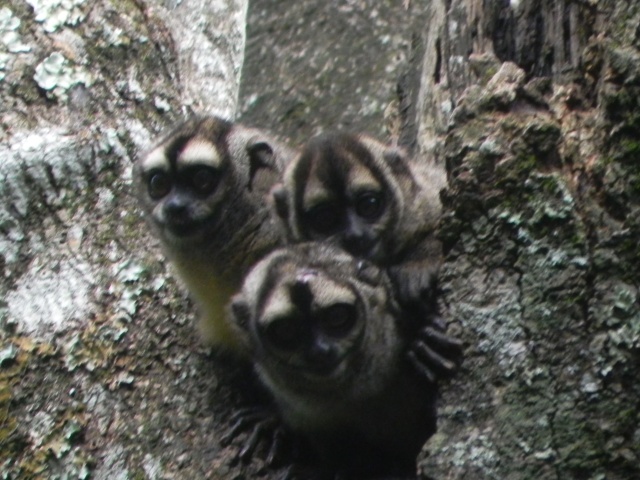
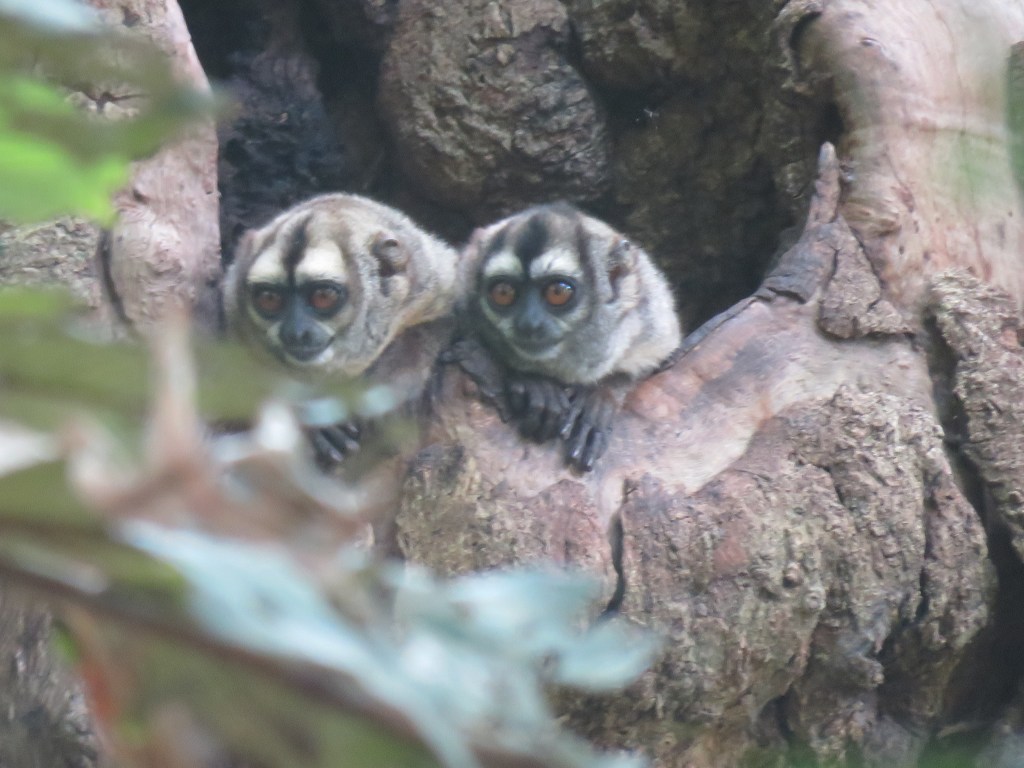
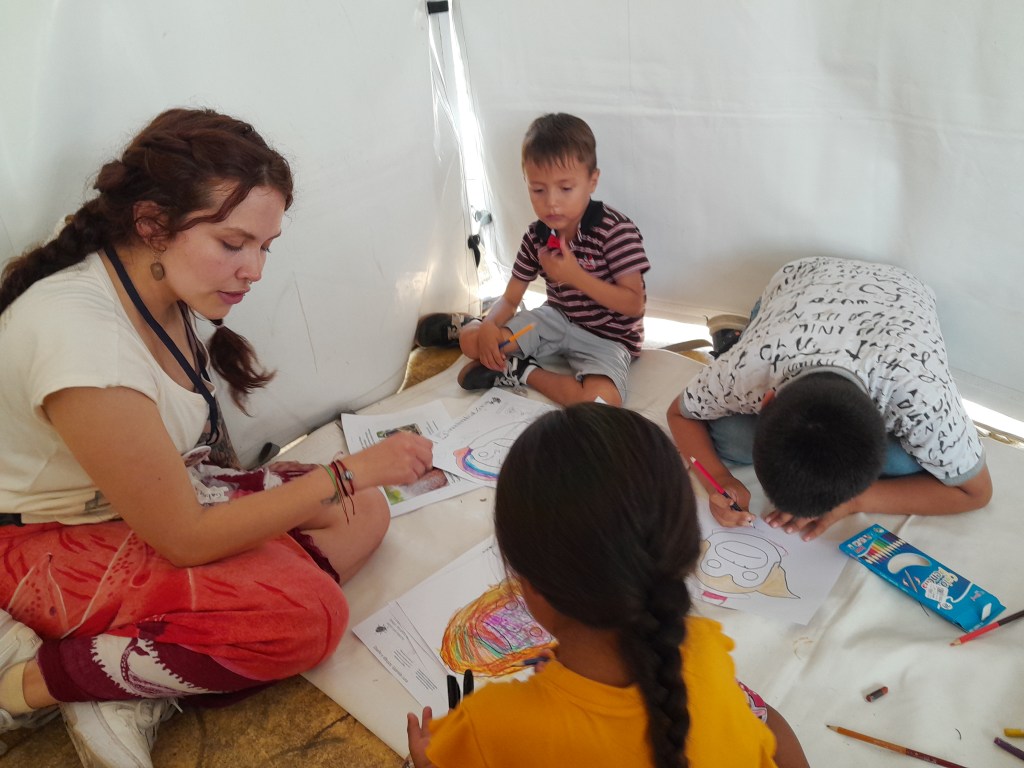
Additionally we were able to start a new education activity in which we place a tent with education activities and material near to the main activities during town festivals, this education tent is called “El mono Zocay y sus amigos” (the ornate titi monkey and his friends). We were able to participate in one town festival this year, in Acacias town, a town located inside of the distribution of the ornate titi monkey. Hopefully, next year we will be able to participate in more town festivals inside the ornate titi monkeys distribution and increase the awareness and knowledge of this endemic species and the animals who live with them. We also continue searching and recording new Brumback night monkey nest sites in our study area. And supporting and helping, mostly with information private reserves that are located inside the distribution area of the three endemic primate species that we had focus our work in recent years: ornate titi monkeys, Colombian squirrel monkeys and Brumback night monkeys.I also like to thank all the landowners, local people, field assistants, volunteers, donor organizations and donor individuals that support our work over 2025 for helping and allowing me to continue with this project.

Merry Christmas!! And please celebrate without fireworks so our wildlife and domestic animals don’t suffer.

If you want to support our activities, please visit https://fineartamerica.com/art/xyomara+carretero or get in contact with us at xcarretero@gmail.com if you want to collaborate, donate or volunteer in our activities. You can also support our activities by buying our ornate titi monkeys stuff dolls https://www.instagram.com/p/Ctm_sEORvk8/?igshid=MzRlODBiNWFlZA== and our new journals in Amazon https://www.amazon.com/X-Carretero/dp/B0CWD1DBJM/ref=mp_s_a_1_1?© Copyright Disclaimer. All pictures used on this web page are protected with copyrights to Xyomara Carretero-Pinzón. If you want to use any of these pictures, please leave a message on the website or contact xcarretero@gmail.com
Monkey Forest Tales: more about our results (Español abajo)

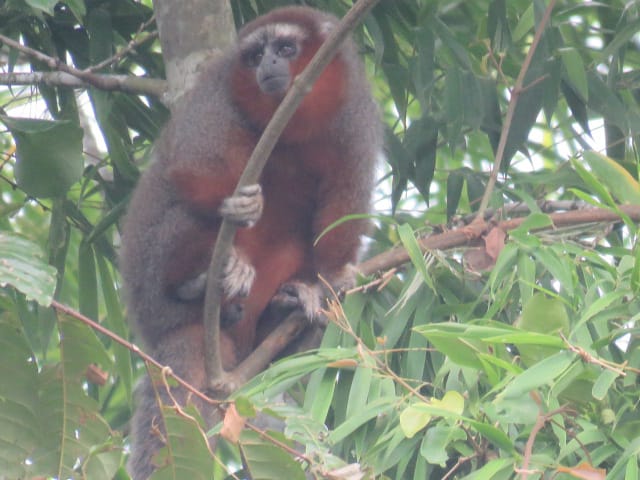
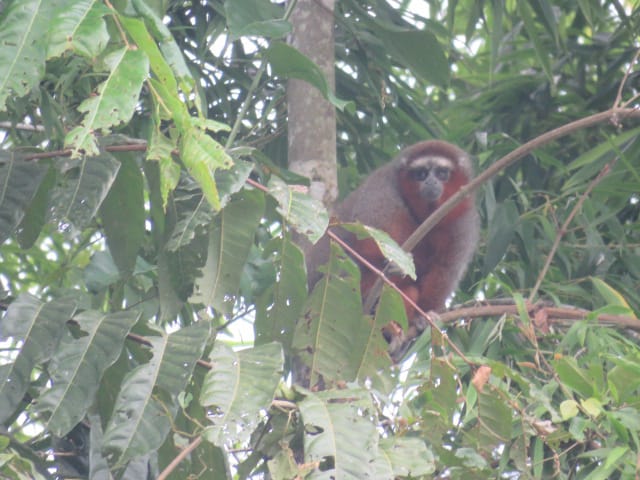
In today’s post we continue with our series of posts about our recent publications. Today in the turn for a paper done with one of my students who did a nice work focus on ornate titi monkeys (Plecturocebus ornatus) back in 2017 that was published recently in Primate Conservation journal. You can find the original paper in this link.

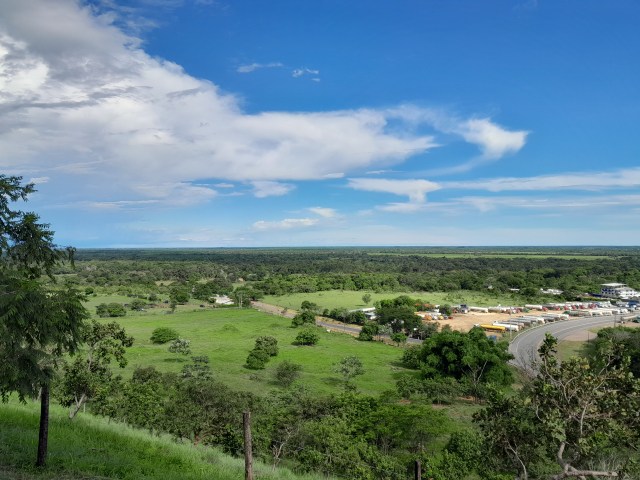
This work aimed to answer two questions: 1) How different was the time spent in different activities by a group of ornate titi monkeys living in a forest fragment surrounded by a more fragmented landscape (i.e. basically a landscape with less forest in it) compared to another group in a less fragmented landscape (i.e. a landscape with more forest in it) and 2) How different were they diet in those same groups?

Basically, we found that time spent feeding and moving were different between the groups, showing more time spent feeding in the group living in a more fragmented landscape. However, both groups eat mostly fruit. The group in the more fragmented landscapes also eats more leaves and arthropods (i.e. insects and spiders) than the group in the less fragmented landscape. These findings showed us that alterations in the landscape are affecting the time that ornate titi monkeys spent doing different activities, but especially the time they spent looking for food and eating. In terms of conservation of this endemic species of Colombia, there are to important applications of these results. First, considering the landscape around the forest fragments in which ornate titi monkeys is important to ensure that their behavior is not changed and second, we included a list of plants of which this species eat its fruits, and those plants can be used in regenerating and reforestation projects to increase connectivity of forest fragments in which this species inhabits.

Más acerca de nuestros resultados

En el blog de hoy continuamos nuestra serie de blogs acerca de nuestras últimas publicaciones. Hoy el turno es para un artículo realizado con una de mis estudiantes quien hizo un trabajo muy bonito enfocado en el mono zocay (Plecturocebus ornatus) en el 2017, que fue recientemente publicado en la revista Primate Conservation. Puede encontrar el enlace al artículo aca.

Este trabajo se enfocó en dos preguntas: 1) Qué tan diferente es el tiempo empleado en las diferentes actividades por un grupo de mono zocay viviendo en un fragmento rodeado por un paisaje más fragmentado (es decir, básicamente un paisaje que tiene menos bosque), comparado con otro grupo en un paisaje menos fragmentado (es decir, con más bosque). 2) qué tan diferente es la dieta (lo que comen) de esos mismos grupos.

Básicamente, encontramos que hay diferencias en el tiempo empleado por los dos grupos en alimentarse y moverse, con el grupo en el paisaje más fragmentado dedicando más tiempo a alimentarse. Sin embargo, los dos grupos se alimentan principalmente de frutos. El grupo en el paisaje más fragmentado también comió más hojas y artrópodos (insectos y arañas) comparado con el grupo del paisaje menos fragmentado. Estos resultados muestran que las alteraciones en el paisaje están afectando el tiempo que los monos zocay gastan para buscar comida y consumirla. En términos de conservación para esta especie endémica colombiana existen dos aplicaciones importantes de estos resultados. Primero, considerar el paisaje alrededor de los fragmentos en los cuales están los monos zocay es importante para asegurar que su comportamiento no cambie, y segundo, incluimos una lista de plantas de las que los monos zocay consumen sus frutos y esas plantas pueden ser usadas para proyectos de regeneración y reforestación para incrementar la conectividad de lo fragmentos de bosque en los que esta especie habita.

If you want to support our activities, please visit https://fineartamerica.com/art/xyomara+carretero or get in contact with us at xcarretero@gmail.com if you want to collaborate, donate or volunteer in our activities. You can also support our activities by buying our ornate titi monkeys stuff dolls https://www.instagram.com/p/Ctm_sEORvk8/?igshid=MzRlODBiNWFlZA== and our new journals in Amazon https://www.amazon.com/X-Carretero/dp/B0CWD1DBJM/ref=mp_s_a_1_1?

© Copyright Disclaimer. All pictures used on this web page are protected with copyrights to Xyomara Carretero-Pinzón. Pictures rights in this post belongs to Cesar Angel, Francisco Gomez and Xyomara Carretero-Pinzón. If you want to use any of these pictures, please leave a message on the website or contact xcarretero@gmail.com

Monkey Forest Tales: Planning Zocay Project activities for 2024

Happy New Year to everyone!! In our first post of 2024, we want to let you know some of our plans for this new year. Zocay Project 20th birthday is this year, and we are very excited and grateful with all farmers and people who had helps us over the past two decades to make this project a success. So, we are planning a few surprises for all of you very soon!!!
We are also excited to announce that this year we continue with our project to improve our knowledge of Ornate titi monkey (Plecturocebus ornatus) distribution limits. We are grateful with our donors from Chalcraft Fund Primate Grant manage through Rewild. We are also grateful with all people from private reserves that had reach out to us reporting their observation of this beautiful species on their land. In the following months we will keep you updated with all new areas visited and all advances in this new project.
This year we also continue with our monitoring of primate populations in fragments of San Martín area as well as some areas in Villavicencio, Cumaral and Villanueva, with some of our first trips starting next week. We area starting Colombian squirrel monkey babies’ season again and babies of some other species had been reported recently too. In collaboration with Cumaral Biodiversa we will continue supporting their effort to monitor Brumback night monkeys (Aotus brumbacki) nest in their territory.
Hopefully this year will be also successful on new publications about our results that we expect will improve not only our knowledge of primate populations living in forest fragments but also some recommendations and conservation actions to better improve those populations. We also plan to participate the Latin American Congress of Primatology that this year will be in Colombia. Also, we hope to continue collaborating with Nature Trips to train local guides for primate watching in Vista Hermosa area.
If you want to support our activities, please visit https://fineartamerica.com/art/xyomara+carretero or get in contact with us at xcarretero@gmail.com if you want to collaborate, donate or volunteer in our activities. You can also support our activities by buying our dusky titi monkeys stuff dolls https://www.instagram.com/p/Ctm_sEORvk8/?igshid=MzRlODBiNWFlZA==
© Copyright Disclaimer. All pictures used on this web page are protected with copyrights to Xyomara Carretero-Pinzón. If you want to use any of these pictures, please leave a message on the website.

Monkey Forest Tales: Balance of Zocay Project activities in 2023 – Part 2: projects and collaborations (continuation)

In today’s post we want to continue mentioning some of our collaborations and projects from 2023. This year also give us the opportunity to know and support an incredible nature tourist project lead by Cesar Angel and his company Nature Trips Colombia that is supporting nature tourism projects in Vista Hermosa area where ornate titi monkeys are used as an umbrella species to incentivize sustainable economic alternatives in an area that suffers from violence over the past decades.
Additionally we continue supporting Cumaral biodiversa and El Silencio farm in their effort to monitor and map Brumback night monkey’s nest in Cumaral town. We also support them in their efforts to learn more about the wildlife they have in their territory through camera traps.
A few days back, we also received great news for our project about the ornate titi monkey’s distribution. We received funds from Little Chalcraft Fund, manage by Rewild, to make specific surveys on the north, east and south part of ornate titi monkey distribution limits next year. So stay tuned in the following months for news on these trips and more ornate titi monkey (Plecturocebus ornatus) news.
We are also in conversations with two organizations at national and international level to increase our impact on primate conservation. More news on these collaborations in the following months. We are also reconnecting with El Caduceo reserve in San Martin to monitor primates there
Finally, this year had leave us with multiple learnings about the impact we can and must have on primates and their habitats as well as multiple new friendships, renewed collaborations and friendships and more plans for future years.
If you want to support our activities, please visit https://fineartamerica.com/art/xyomara+carretero or get in contact with as at xcarretero@gmail.com if you want to collaborate, donate or volunteer in our activities. You can also support our activities by buying our dusky titi monkeys stuff dolls https://www.instagram.com/p/Ctm_sEORvk8/?igshid=MzRlODBiNWFlZA==
© Copyright Disclaimer. All pictures used on this web page are protected with copyrights to Xyomara Carretero-Pinzón. If you want to use any of these pictures, please leave a message on the website.