
Monkey Forest Tales: Back in the field: the effects of wind and storms in fragments (Español abajo)

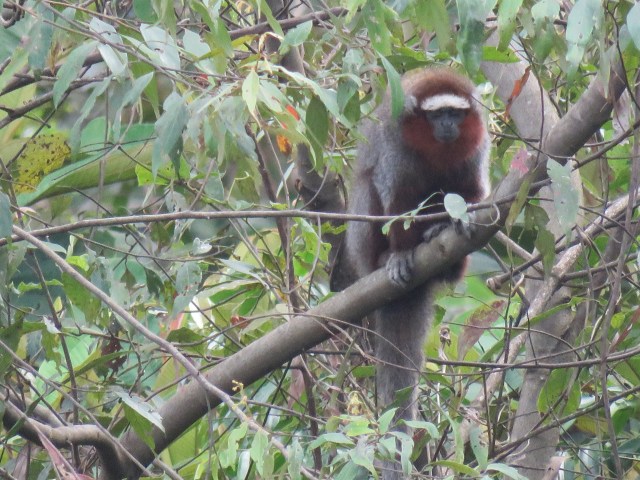
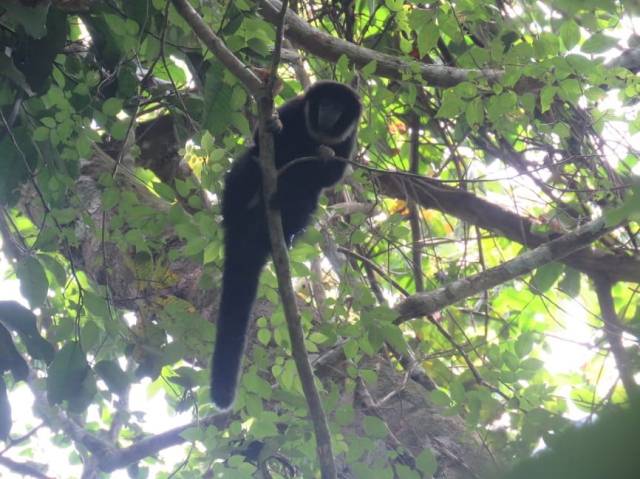
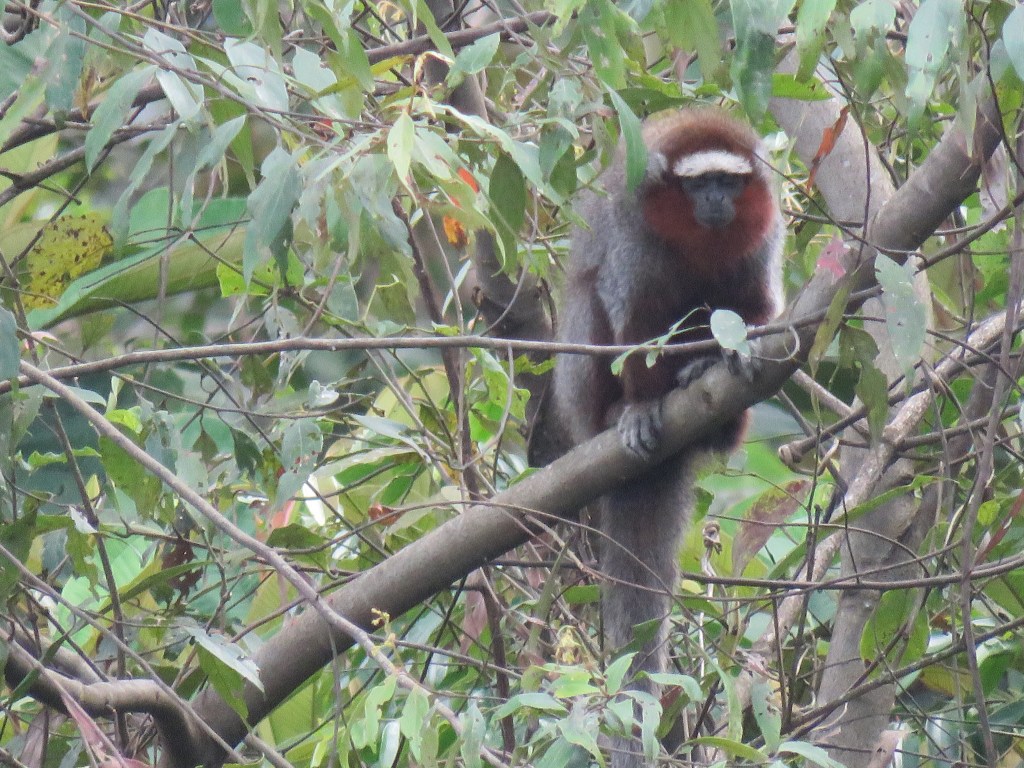
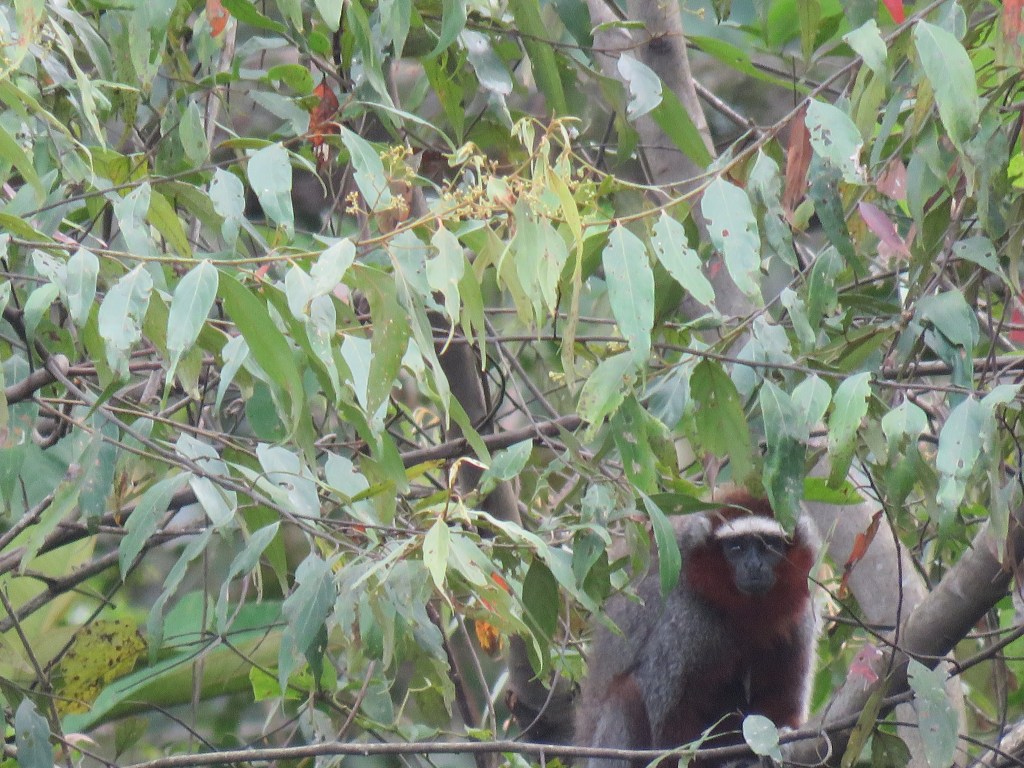
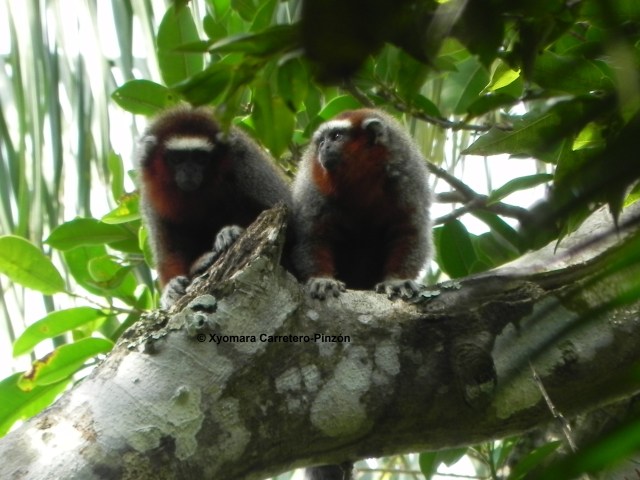
In today’s post we are talking about some news about the field. After our participation on the International Primatological Conference in Madagascar where we present our results about the distribution of the Ornate Titi Monkeys (Plecturocebus ornatus), we get back to the field, to our long-term monitoring of monkeys in forest fragments.

During the conference I was reminded of the climate change effects on forest fragments, especially the small and narrow ones. In some of the International Panel of Climate Change predictions (IPCC), the northwest part of South America, where Colombia is located will increase temperatures. This means that for primates living in fragmented areas that have isolated populations like some of the populations of the endemic Ornate Titi Monkey will be more at risk.

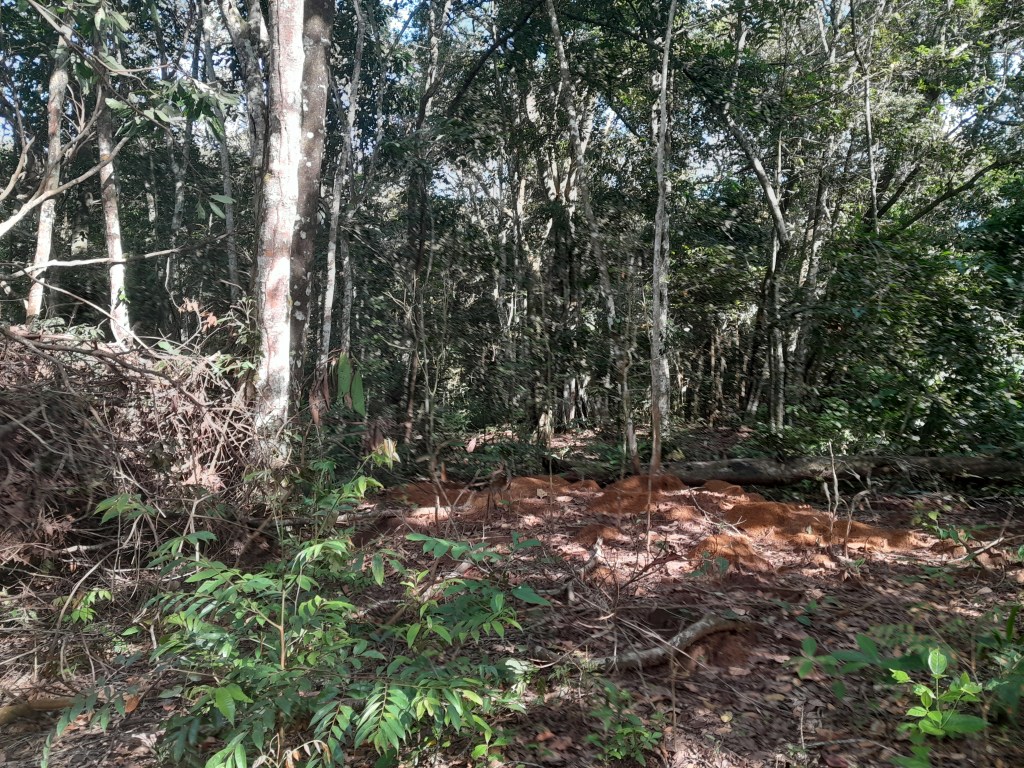
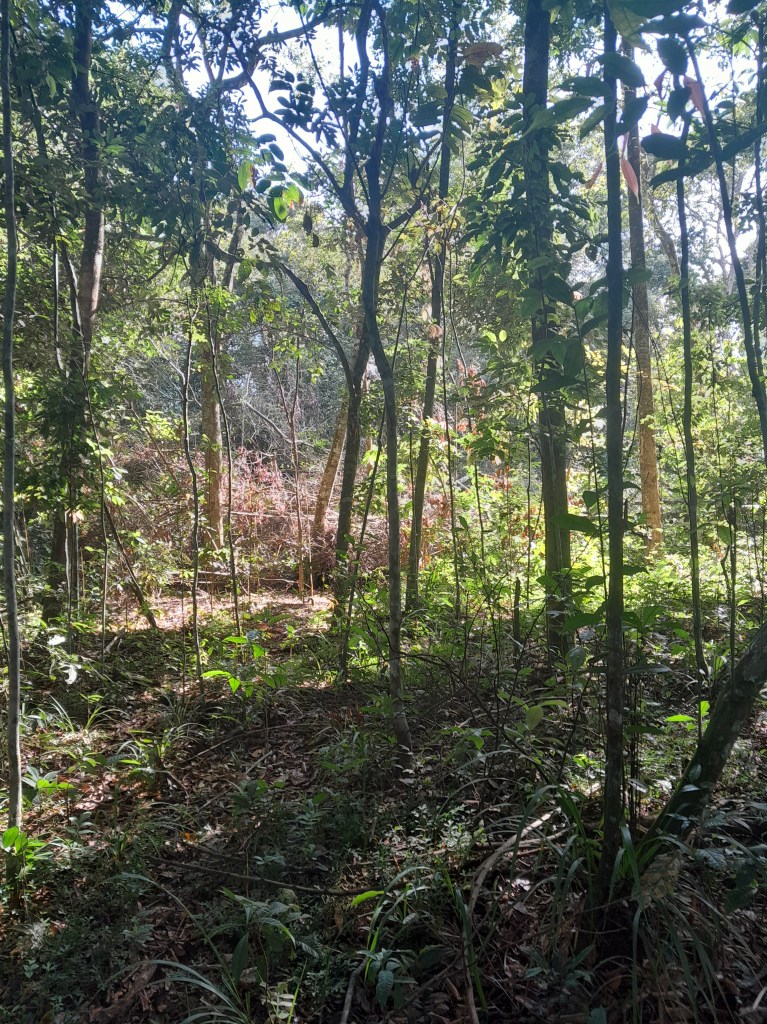
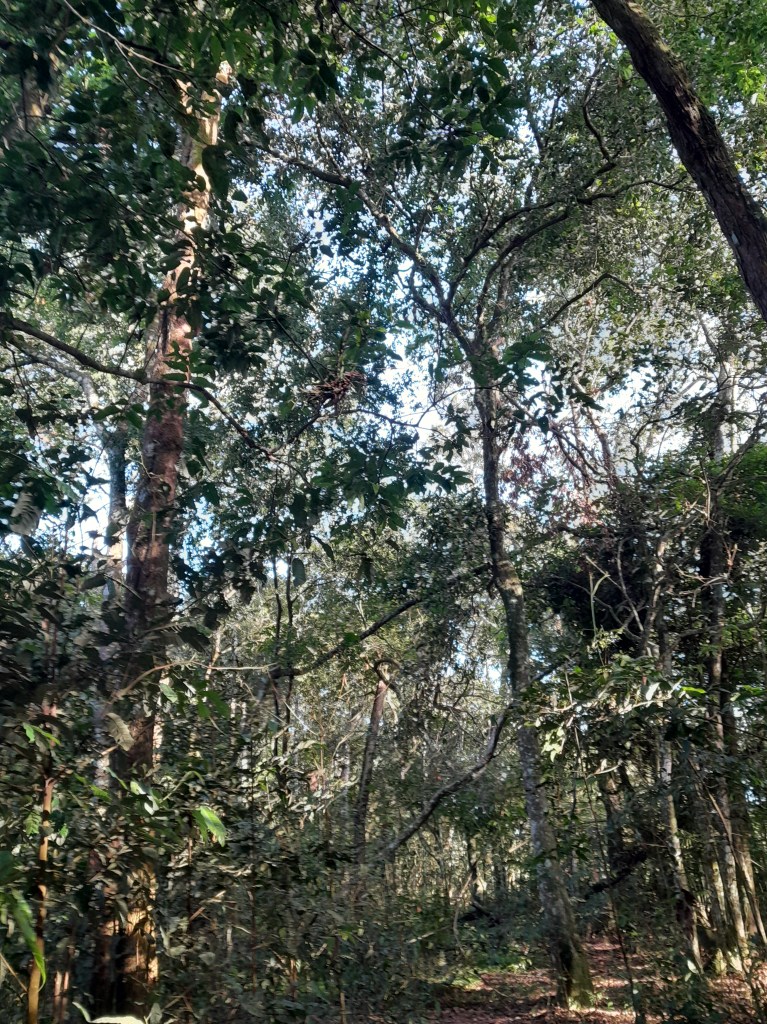
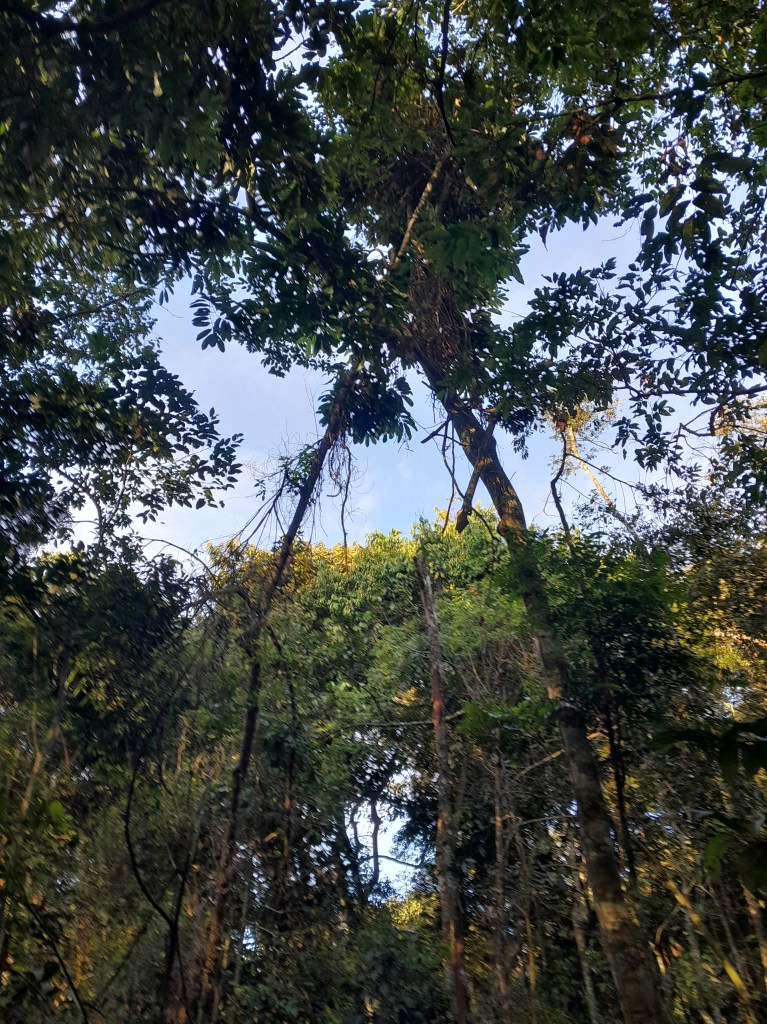
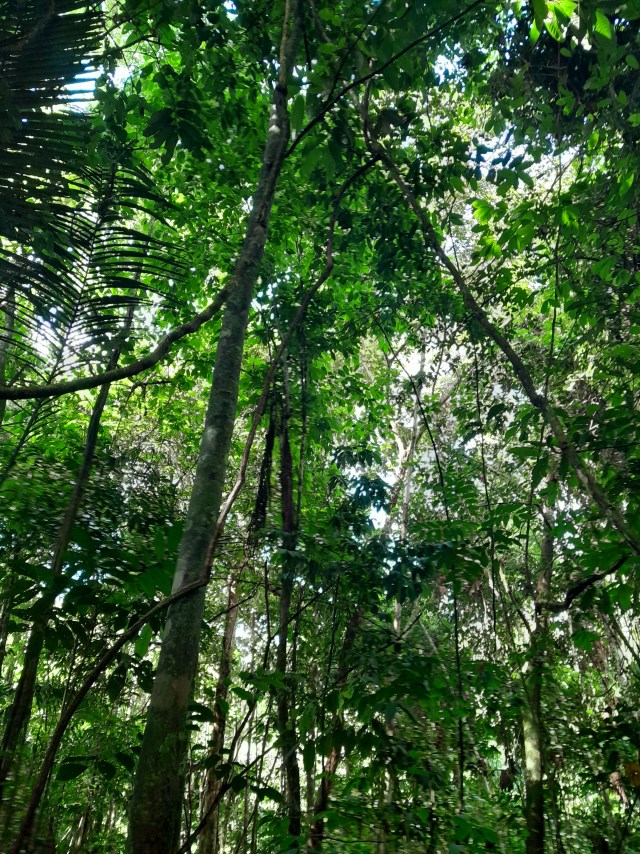
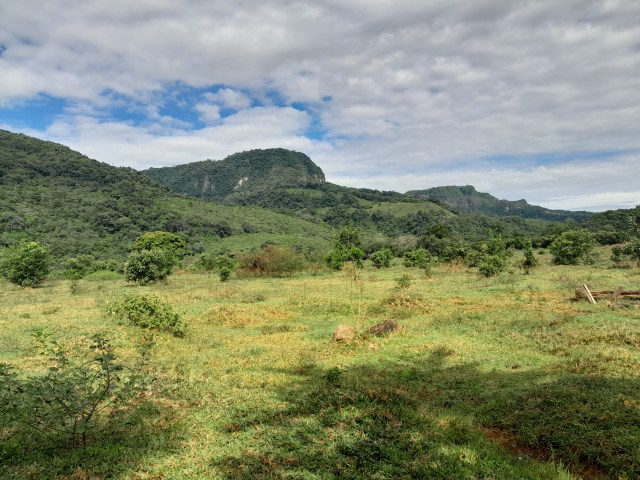
I mention this because while I was in the field after the conference, I observed more fallen trees than in past months as well as a more open canopy in some part of the long-term monitoring forest fragments I had been visiting over the past 21 years. Talking with the farm workers, they mention strong storms in the area, common at this time of the year, but that seems to have an increased effect this time. Although over the years we have observed storms and times in which management actions on the farm have affected the internal structure of the forest, changes in weather patterns seem to be more evident now and sometimes even stronger than in past years.These changes produce more edge effects that have positive and negative effects on monkeys, depending on the monkey’s species. And it also makes me think about the long-term benefits of some of the landscape structures such as living fences and lineal forest strips that we promote to connect forest fragments in highly fragmented landscapes. How can we improve them? What is the minimal width we should be using? More questions to answer for the following years so we can better understand how to help our monkeys to survive in fragmented landscapes…

Español: De vuelta en el campo: los efectos del viento y las tormentas en fragmentos

En el blog de hoy vamos a hablar acerca de algunas noticias de nuestro campo. Después de nuestra participación en el Congreso Internacional de Primatología en Madagascar donde presentamos nuestro trabajo sobre la distribución del Mono Zocay (Plecturocebus ornatus), volvimos al campo, a nuestro monitoreo de monos en fragmentos de bosque.

Durante la conferencia me recordaron sobre los efectos del cambio climático sobre los fragmentos de bosque, especialmente los fragmentos pequeños y delgados. En algunas de las predicciones del Panel Internacional de Cambio Climático (IPCC), el Noroeste de Sur América, donde está ubicada Colombia las temperaturas se incrementarán. Esto significa que para los monos viviendo en áreas fragmentadas que tienen poblaciones aisladas como algunas de las poblaciones del endémico mono zocay que estarían más en riesgo.

Menciono esto porque mientras estuve en el campo después de la conferencia, observe más árboles caídos que en los meses anteriores, así como más discontinuidad en la parte alta del dosel del bosque en algunas partes de los fragmentos de bosque de monitoreo de largo plazo que he estado visitando a lo largo de los últimos 21 años. Hablando con algunos de los trabajadores, ellos mencionaron tormentas fuertes en el área, comunes durante esta época del año, pero que parece han incrementado su efecto esta vez. Aunque a lo largo de los años hemos observado tormentas y a veces las acciones de manejo de la finca han afectado la estructura interna del bosque, los cambios en los patrones del clima parecen ser más evidentes ahora y algunas veces más fuertes que en los años anteriores. Estos cambios producen más efectos de borde que tienen efectos positivos y negativos sobre los monos, dependiendo de la especie de mono. Y esto también me hace pensar acerca de los beneficios a largo plazo de las estructuras de paisaje como cercas vivas y franjas lineales de bosque que promovemos para conectar fragmentos de bosque en paisajes altamente fragmentados. ¿Cómo las Podemos mejorar? ¿Cuál es el ancho mínimo que deberíamos usar? Más preguntas para responder en los años siguientes de forma que podamos entender mejor cómo ayudar a nuestros monos a sobrevivir en paisajes fragmentados…

If you want to support our activities, please visit https://fineartamerica.com/art/xyomara+carretero or get in contact with us at xcarretero@gmail.com if you want to collaborate, donate or volunteer in our activities. You can also support our activities by buying our ornate titi monkeys stuff dolls https://www.instagram.com/p/Ctm_sEORvk8/?igshid=MzRlODBiNWFlZA== and our new journals in Amazon https://www.amazon.com/X-Carretero/dp/B0CWD1DBJM/ref=mp_s_a_1_1?© Copyright Disclaimer. All pictures used on this web page are protected with copyrights to Xyomara Carretero-Pinzón. If you want to use any of these pictures, please leave a message on the website or contact xcarretero@gmail.com
Monkey Forest Tales: Celebrating 30 years of my primatological journey

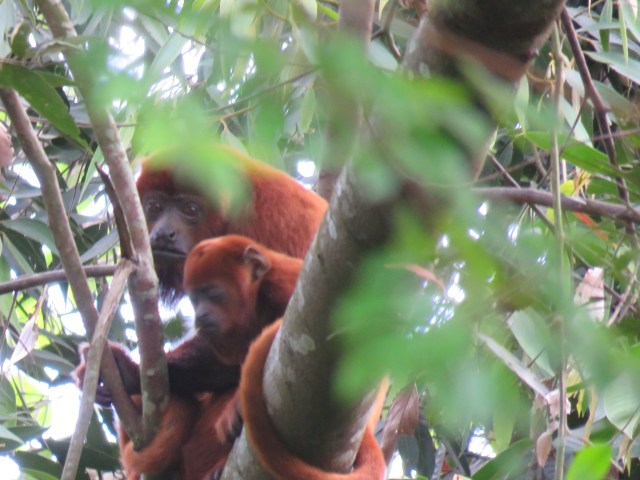
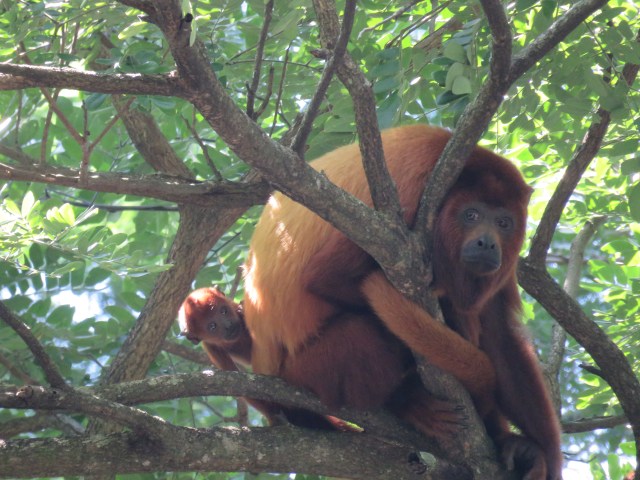
In today’s post, I want to take this opportunity to celebrate 30 years of my primatological journey. On July 19th, 1995, I have the opportunity to start a small project on red howler monkey’s baby behavior. This was the first time I followed monkeys, and it was the beginning of my primatological journey. Red howler monkeys open an incredible world of learning to me. I started this adventure with two wonderful friends, one who didn’t continue in a primatology path but became a great biologist, Gustavo Galindo, and another incredible primatologist, Dr. Carolina Gomez.

In my first day with my study group of red howler monkeys, the day started with an incredible encounter. It was also the day I first met a jaguar, a close encounter that not only was magical but also marked my life forever. Jaguars had an incredible way of looking at you that not only see you but also see your soul and connect you with nature and yourself in ways that it’s difficult to express with words. After this encounter I followed my way to the group of howlers that showed me the incredible journey of baby’s growth and mother behavior.

From 1995 onwards my primatological journey took me to many places and I had the opportunity to work with many species, each as unique as the previous one. From red howler monkeys, mantled howler monkeys, Colombian squirrel monkeys, ornate titi monkeys, Japanese macaques, saki monkeys and nocturnal monkeys, my primatology research had included behavior, ecology, landscape ecology and conservation. I had been lucky enough to work with great primatologists such as Dr. Izawa, Dr. Nishimura, Dr. Defler and so many other primatologists, ecologists, landscape ecologists and modelers who had taught me and shared incredible knowledge and experiences with me over the years. I’m very grateful to all of them. I also had the opportunity to share experiences with so many great students and researchers, in many places around the world. This is a journey that I hope continue in the following years as I continue following and studying monkeys in Colombia.

If you want to support our activities, please visit https://fineartamerica.com/art/xyomara+carretero or get in contact with us at xcarretero@gmail.com if you want to collaborate, donate or volunteer in our activities. You can also support our activities by buying our ornate titi monkeys stuff dolls https://www.instagram.com/p/Ctm_sEORvk8/?igshid=MzRlODBiNWFlZA== and our new journals in Amazon https://www.amazon.com/X-Carretero/dp/B0CWD1DBJM/ref=mp_s_a_1_1?

© Copyright Disclaimer. All pictures used on this web page are protected with copyrights to Xyomara Carretero-Pinzón. If you want to use any of these pictures, please leave a message on the website or contact xcarretero@gmail.com
Monkey Forest Tales: Another chapter about how Colombian squirrel monkeys live in fragmented areas

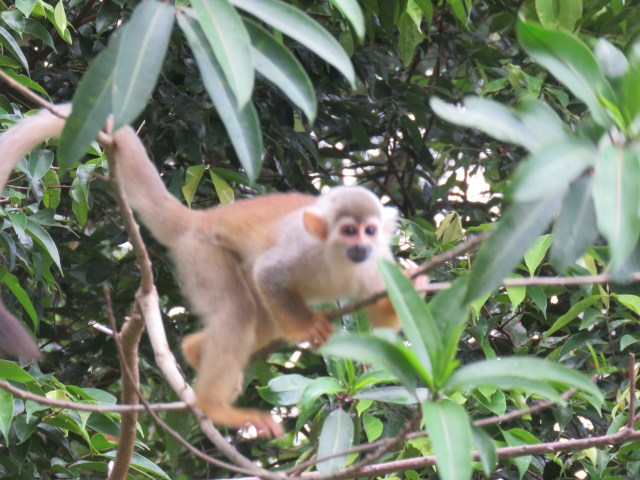
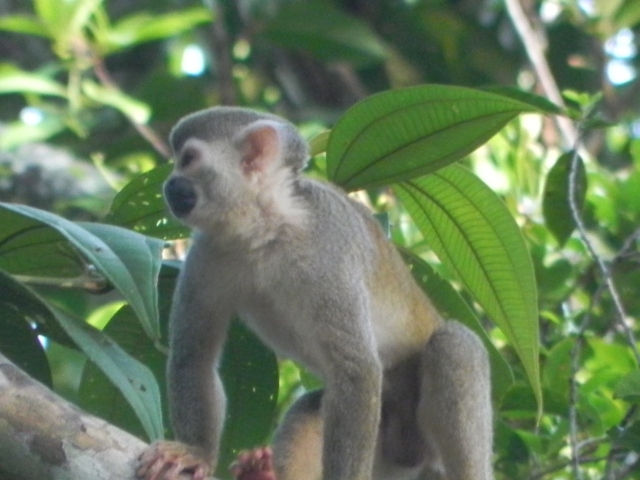
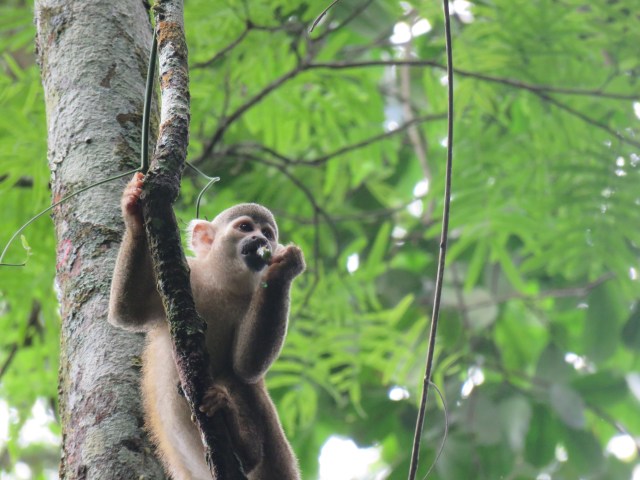
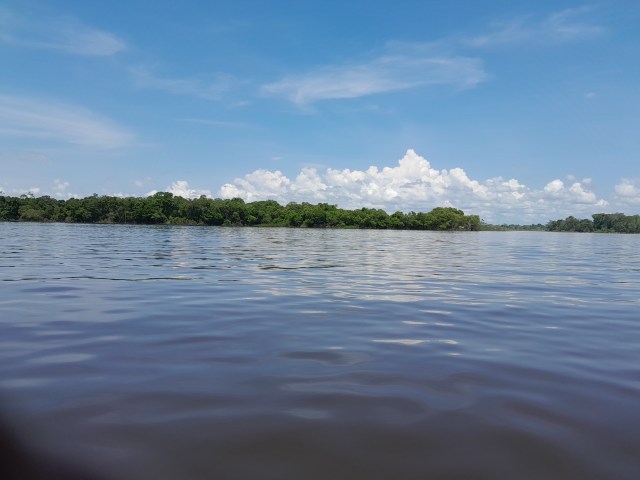
In today’s post, we continue with our series of articles based on information we had been collecting in the study area over the past 21 years. We are going to talk about a chapter in which we use data of Colombian squirrel monkey (Saimiri albigena) from my undergraduate thesis in Tinigua National Park, a continuous forest and my master thesis in Zocay Project study area, a fragmented area. In this chapter we compare the territory size, time spent on each activity and items consumed (i.e. arthropods, fruits, flowers and leaves consumed) of two groups of these monkeys, one in each site. Additionally occasional observations of other groups of Colombian squirrel monkeys were count in both areas and these counts were used to compared group sizes in both areas.

This chapter shows that groups in both areas consumed fruits and flowers of different plant species, however both groups consumed a similar number of arthropods (i.e. insects and spiders), fruits and flowers. In the continuous area Colombian squirrel monkeys also consume a small proportion of leaves that were not consumed in the fragmented area. In terms of the time spent by both groups feeding, the group in Zocay Project area (fragmented area) spent more time in this activity compared with the group in Tinigua (continuous area). Territory size and groups size was smaller in the fragmented area, while the distance they move every day was higher in the fragmented area compared to the continuous area. Time spent resting was lower in the fragmented area, while time spent moving is higher. Therefore, Colombian squirrel monkey’s strategy is to spend more time feeding, increasing the number of plant species of which they consumed fruits near to forest fragment edges and living fences. Living fences increase the space where they can find food.

Español: Otro capítulo sobre cómo los monos titis viven en zonas fragmentadas

En el blog de hoy continuamos con nuestra serie de artículos basados en información que hemos colectado en el área de estudio en los últimos 21 años. Vamos a hablar de un capítulo en el cual usamos datos de monos titis (Saimiri albigena) de mi tesis de pregrado en el parque nacional Tinigua, un bosque continuo y mi tesis de maestría en la zona de estudio del Proyecto Zocay, un área fragmentada. En este capítulo comparamos el tamaño del territorio, tiempo dedicado en cada actividad y los ítems consumidos (es decir, artrópodos, frutos, flores y hojas consumidas) de dos grupos de estos monos, uno en cada sitio. Además, las observaciones ocasionales de otros grupos de monos titis fueron contados en ambas áreas y estos conteos fueron usados para comparar los tamaños de los grupos en ambas áreas.

Este capítulo muestra que los grupos en ambas áreas consumieron frutos y flores de diferentes especies de plantas, sin embargo, ambos grupos consumieron un número similar de artrópodos (es decir insectos y arañas), frutos y flores. En el área continua, los monos titis también consumen una pequeña proporción de hojas que no son consumidas en el área fragmentada. En términos del tiempo empleado por ambos grupos alimentándose, el grupo en el área del Proyecto Zocay (área fragmentada) paso más tiempo en esta actividad comparado con el grupo de Tinigua (área continua). El tamaño del territorio y tamaño de los grupos es más pequeño en el área fragmentada, mientras que la distancia que los monos se mueven diariamente es mayor en el área fragmentada comparado con el área continua. El tiempo dedicado a descansar fue más corto en el área fragmentada, mientras que el tiempo gastado en moverse es mayor. Por lo tanto, la estrategia de los monos titis es pasar más tiempo comiendo, aumentando el número de especies de plantas de las cuales consumen frutos cerca de los bordes de los fragmentos y en las cercas vivas. Las cercas vivas aumentan el espacio donde pueden encontrar comida.

If you want to support our activities, please visit https://fineartamerica.com/art/xyomara+carretero or get in contact with us at xcarretero@gmail.com if you want to collaborate, donate or volunteer in our activities. You can also support our activities by buying our ornate titi monkeys stuff dolls https://www.instagram.com/p/Ctm_sEORvk8/?igshid=MzRlODBiNWFlZA== and our new journals in Amazon https://www.amazon.com/X-Carretero/dp/B0CWD1DBJM/ref=mp_s_a_1_1?© Copyright Disclaimer. All pictures used on this web page are protected with copyrights to Xyomara Carretero-Pinzón. If you want to use any of these pictures, please leave a message on the website or contact xcarretero@gmail.com
Monkey Forest Tales: An article explaining why we need to look outside and inside of forest fragments to better manage monkey species in the Colombian Llanos (Español abajo)

In today’s post, we continue with our series of articles based on information we had been collecting in the study area over the past 21 years. We are going to talk about an article product of my doctorate thesis and probably one of the best papers I have ever written. This paper was written under the supervision of two great landscape ecologists, Dr. Jonathan Rhodes and Dr. Clive McAlpine, and the supervision of Dr. Thomas Defler, a primatologist.

This paper focuses on four species of diurnal monkeys that live in Zocay Project study area: red howler monkeys (Alouatta seniculus), black-capped capuchin (Sapajus apella), Colombian squirrel monkeys (Saimiri albigena) and ornate titi monkeys (Plecturocebus ornatus). The last two are endemic and are classified as Vulnerable by the IUCN criteria. These criteria evaluate the risk of extinction for each species. The most important result of this paper is that for each species, variables affect these monkeys at different scales. This means that we need to consider the size of the landscape surrounding a specific forest fragment for each species, because it is not the same landscape size for all the species. For example, the landscape size for ornate titi monkeys (Plecturocebus ornatus) and black-capped capuchins (Sapajus apella) cover a 1000 m ratio around a specific forest fragment. In the case of Colombian squirrel monkeys (Saimiri albigena) and red howler monkeys (Alouatta seniculus), the landscape size is measure with a 500 m of ratio around a specific forest fragment.

Additionally, site-variables or variables related to structure and resource availability inside forest fragments are also important for monkey’s presence and abundance. For example, for monkey species such as Colombian squirrel monkeys and ornate titi monkeys resource availability variables such as number of trees with fruits is important for their presence and abundance. On the other hand, medium and large monkey species presence and abundance, such as red howler monkeys and black-capped capuchins, are influenced by variables related to forest structure such as canopy height. The importance of knowing how these variables at site and landscape-scale influence monkeys species presence and abundance is important when planning management and conservation actions in fragmented areas, improving the impact of any strategy that we implement. Therefore, if we want to conserve all the species in the study area we will need to look at landscape sizes measured at a ratio of 500 – 1000 m around a forest fragment and consider an increase of the amount of forest present in that landscape, while increasing native fruit availability inside the forest fragments present, paying special attention to species that produce fruits consumed by the monkey and with higher canopy height that provide good structural support (i.e. big trees).

Español: Un artículo explicando porqué necesitamos mirar adentro y afuera de los fragmentos de bosque para manejar mejor a las especies de monos en los Llanos Colombianos

En el blog de hoy continuamos con nuestra serie de artículos basados en información que hemos colectado en el área de estudio en los últimos 21 años. Vamos a hablar de un artículo producto de mi tesis de doctorado y probablemente uno de los mejores artículos que he escrito. Este artículo fue escrito bajo la supervisión de dos grandes ecólogos de paisaje, Dr. Jonathan Rhodes y Dr. Clive McAlpine, y la supervisión del Dr. Thomas Defler, un primatólogo.Este artículo se enfoca en cuatro especies diurnas de monos que viven en el área de estudio del Proyecto Zocay: monos aulladores (Alouatta seniculus), monos maiceros (Sapajus apella), monos titis o frailes (Saimiri albigena) y monos zocay (Plecturocebus ornatus). Los últimos dos son endémicos, es decir exclusivos de Colombia y del Llano y son clasificados como Vulnerable bajo los criterios de la IUCN. Estos criterios evalúan el riesgo de extinción para cada especie. Los resultados más importantes de este artículo es que para cada especie, las variables afectan estos monos a diferentes escalas. Esto significa que necesitamos considerar el tamaño del paisaje alrededor de un fragmento de bosque específico porque no es el mismo tamaño de paisaje para todas las especies. Por ejemplo, el tamaño del paisaje para el mono zocay (Plecturocebus ornatus) y de los monos maiceros (Sapajus apella) cubre un radio de 1000 m alrededor de un fragmento de bosque específico. En el caso de los monos titis (Saimiri albigena) y monos aulladores (Alouatta seniculus), el tamaño del paisaje es medido con un radio de 500 m alrededor de un fragmento de bosque específico.

Adicionalmente, variables a la escala de sitio o variables relacionadas con la disponibilidad de recursos o estructura dentro del bosque también son importantes para la presencia y abundancia de los monos. Por ejemplo, para las especies de monos como los titis y zocay, las variables relacionadas con la disponibilidad de los recursos tal como el número de árboles con frutos es importante para la presencia y abundancia de estos monos. Por otro lado, para la presencia y abundancia de especies de monos medianas y grandes, tales como los monos aulladores y maiceros, están influenciados por variables relacionadas con la estructura del bosque tales como la altura del dosel del bosque. La importancia de conocer cómo estas variables a escala de sitio y de paisaje influyen en la presencia y abundancia de las especies de monos es importante cuando se planean acciones de manejo y conservación en áreas fragmentadas, mejorando el impacto de cualquier estrategia que implementemos.

Por lo tanto, si queremos conservar todas las especies en el área de estudio necesitaremos mirar paisajes medidos en un radio de 500 – 1000 m alrededor del fragmentos de bosque y considerar un incremento de la cantidad de bosque presente en ese paisaje, mientras se incrementa la disponibilidad de frutos nativos dentro del bosque, poniendo atención especial a especies que produzcan frutos consumidos por los monos y con una árboles altos de dosel que proporcionen buena estructura de soporte, es decir árboles grandes.

If you want to support our activities, please visit https://fineartamerica.com/art/xyomara+carretero or get in contact with us at xcarretero@gmail.com if you want to collaborate, donate or volunteer in our activities. You can also support our activities by buying our ornate titi monkeys stuff dolls https://www.instagram.com/p/Ctm_sEORvk8/?igshid=MzRlODBiNWFlZA== and our new journals in Amazon https://www.amazon.com/X-Carretero/dp/B0CWD1DBJM/ref=mp_s_a_1_1?© Copyright Disclaimer. All pictures used on this web page are protected with copyrights to Xyomara Carretero-Pinzón. If you want to use any of these pictures, please leave a message on the website or contact xcarretero@gmail.com

Monkey Forest Tales: A collaborative book chapter about the use of flooded forest by primates in Colombian Llanos (Español abajo)

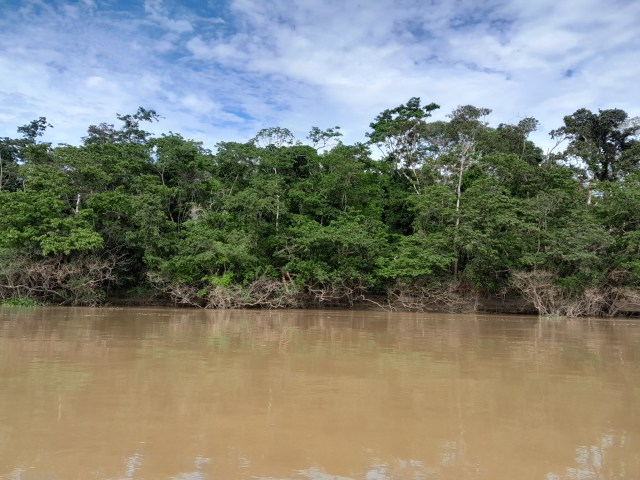
In today’s post, we continue with our series of articles based on information we had been collecting in the study area over the past 21 years. We are going to talk about a book chapter that we write with Dr. Thomas Defler. This chapter present habitat use data by primate species from three areas of Colombian Llanos: Tinigua national park, El Tuparro national park and San Martín area, Zocay Project study area. The data from Tinigua national park came from my bachelor thesis on Colombian squirrel monkeys (Saimiri albigena, before called Saimiri cassiquiarensis albigena), and published data on other primate species in this park from other authors. San Martin area data came from my master thesis focused on the behavior and ecology of Colombian squirrel monkey (Saimiri albigena) and occasional observations of other primate species in the area using flooded forest fragments and Mauritia flexuosa swamp fragments. Finally, El Tuparro national park data came from data collected by Thomas in flooded and unflooded forest focused mainly on the use of these forest types by Cebus albifrons and Sapajus apella (before called Cebus apella).

This chapter showed the importance of flooded forest in different parts of the Colombian Llanos for different primate species in degraded and undegraded areas. The use of flooded forest in the Colombian Llanos seems to be influenced by fruit availability especially during the early rainy reason in the areas studied. However, this chapter also shows that it is important to make more studies of primate species in these flooded areas as there is still information missing on how seasonal the use of this flooded forest for some primate species is as well as the role that Mauritia flexuosa swamp fragments can have on the ecology of primate species in fragmented landscapes of the Orinoquia region.

Español: Un capítulo de libro en colaboración sobre el uso de bosques inundables por monos en los Llanos Orientales

En el blog de hoy continuamos con nuestra serie de artículos basados en la información que hemos estado recolectando en el área de estudio por los últimos 21 años. Vamos a hablar de un capítulo de libro que escribimos con el Dr. Thomas Defler. Este capítulo presenta datos sobre el uso del hábitat por monos en tres áreas de los llanos colombianos: el parque nacional Tinigua y El Tuparro y el área de San Martín, área de estudio del Proyecto Zocay. Los datos del parque nacional Tinigua son parte de mi tesis de biología sobre los monos titis colombianos (Saimiri albigena, antes llamados Saimiri cassiquiarensis albigena), y datos publicados sobre otras especies de monos en este parque por otros autores. Los datos del área de San Martin vienen de mi tesis de maestría enfocada en el comportamiento y ecología de los monos titis colombianos (Saimiri albigena) y observaciones ocasionales de otras especies de monos en el área que usan fragmentos de bosque que se inundan y fragmentos de morichales (fragmentos de bosque principalmente compuestos de la palma de moriche, Mauritia flexuosa). Finalmente, los datos del parque nacional El Tuparro vienen de datos colectados por Thomas en bosques inundado y no inundados, principalmente enfocados en el uso de estos tipos de bosque por Cebus albifrons y Sapajus apella (antes llamado Cebus apella).

Este capítulo muestra la importancia de los bosques inundados en diferentes partes de los llanos colombianos para diferentes especies de monos en áreas degradadas y no degradados. El uso de bosques inundados en los llanos colombianos parece estar influenciado por la disponibilidad de frutos especialmente durante principios de la época de lluvias en las áreas estudiadas. Sin embargo, este capítulo también muestra que es importante hacer más estudios de las especies de monos en estas áreas inundadas ya que aún falta información sobre qué tan estacional es el uso de estas áreas inundadas para algunas de las especies de monos, así como el papel que los fragmentos de bosque de morichal tienen en la ecología de las especies de monos en paisajes fragmentados de la región de la Orinoquia.

If you want to support our activities, please visit https://fineartamerica.com/art/xyomara+carretero or get in contact with us at xcarretero@gmail.com if you want to collaborate, donate or volunteer in our activities. You can also support our activities by buying our ornate titi monkeys stuff dolls https://www.instagram.com/p/Ctm_sEORvk8/?igshid=MzRlODBiNWFlZA== and our new journals in Amazon https://www.amazon.com/X-Carretero/dp/B0CWD1DBJM/ref=mp_s_a_1_1?

© Copyright Disclaimer. All pictures used on this web page are protected with copyrights to Xyomara Carretero-Pinzón. If you want to use any of these pictures, please leave a message on the website or contact xcarretero@gmail.com
Monkey Forest Tales: Celebrating the International Day of Biodiversity

On May 22nd, every year we celebrate the International Day of Biodiversity, a day to recognize and raise awareness of the biological diversity of our planet and the threats that biodiversity is facing due to our actions and activities. Every one of us can do small actions and activities to reduce our individual impact on the biodiversity loss crisis. From pressure on our local, regional and national governments to take action to reduce the impact of our development project up to small action such as recycling, sustainable use of natural resources, protecting water sources, reducing waste, among others.

Colombia is a privilege country, home of a high diversity of birds, mammals, including primates, reptiles and amphibians, fish and invertebrates. Knowing what we have is the first step to take care of that high biodiversity. Our geography is part of the reasons for that high diversity that includes animals and plants adapted to different altitude and weather conditions making us one of the hot spots for biodiversity globally.

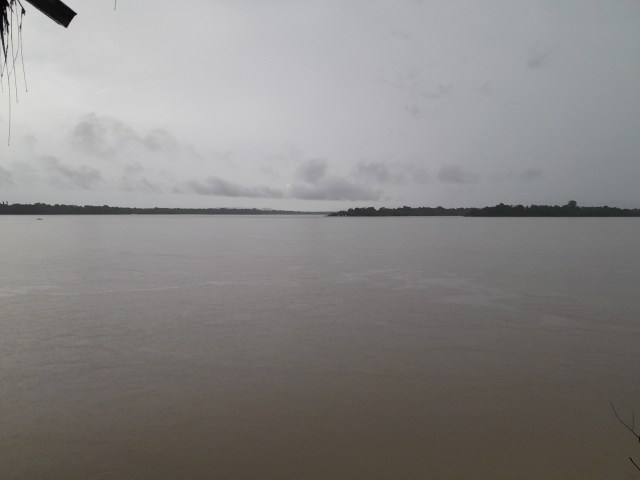
Zocay Project study area is an incredible area in which many animals and plants live and as part of our activities we look for ways in which cattle ranching areas can maintain biodiversity while meeting their productive goals. Living fences allow wildlife in these transformed areas to move between forest fragments while reducing their exposure to predators and even find food. Cattle ranching water sources as well as artificial lagoons help wildlife during dry season when natural streams and rivers reduce their flow, allowing them to find water without having to travel longer distances. Occasionally, we plant native fruit trees to increase connectivity in some of the reserves and farms in which we work. We continue learning about how these highly fragmented areas affect monkeys’ lives and how they cope with all the changes that human activities make in their environment. So, today we celebrate their resilience and flexibility to live in small and medium size forest fragments surrounded by human productive activities.

If you want to support our activities, please visit https://fineartamerica.com/art/xyomara+carretero or get in contact with us at xcarretero@gmail.com if you want to collaborate, donate or volunteer in our activities. You can also support our activities by buying our ornate titi monkeys stuff dolls https://www.instagram.com/p/Ctm_sEORvk8/?igshid=MzRlODBiNWFlZA== and our new journals in Amazon https://www.amazon.com/X-Carretero/dp/B0CWD1DBJM/ref=mp_s_a_1_1?© Copyright Disclaimer. Pictures in this post are protected with copyrights to Francisco Gomez y Xyomara Carretero-Pinzón. All pictures used on this web page are protected with copyrights to Xyomara Carretero-Pinzón. If you want to use any of these pictures, please leave a message on the website or contact xcarretero@gmail.com
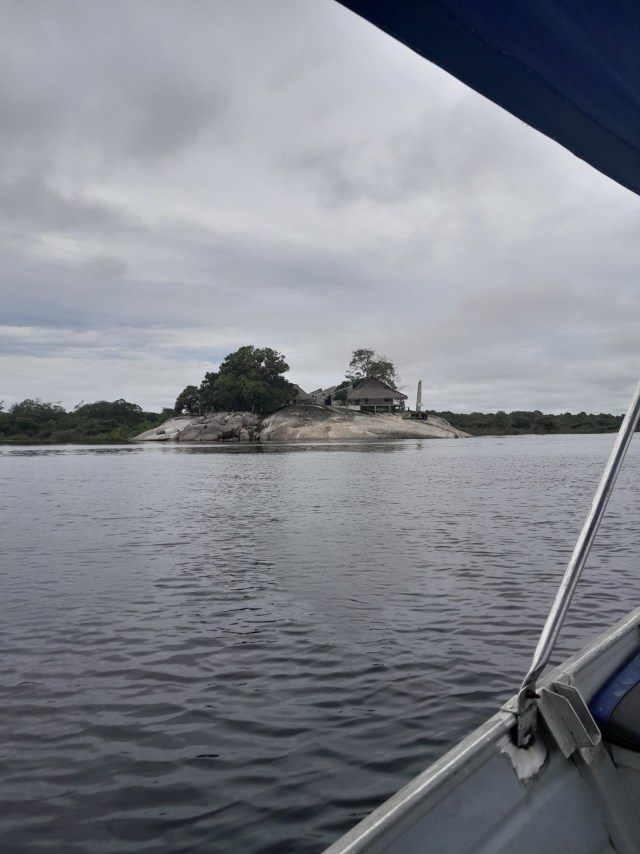
Monkey Forest Tales: Another collaborating article, this time about ornate titi monkey’s preferences for edge habitats (Español abajo)

In today’s post, we continue with our series of articles based on information we had been collecting in the study area over the past 20 years. We are going to talk about an article from 2018 in collaboration with one of my mentors, Dr. Thomas Defler. Thomas is an incredible researcher that although was born in US, came to Colombia following his passion for monkeys and the tropical forest and became a Colombian.

This paper put together observations from both of us in the Colombian Llanos and Tom’s observations from his years in the Orinoquian and Amazon forest in the departments of Vichada, Amazonas and Vaupes in Colombia. This paper showed that three species of titi monkeys, ornate titi monkeys (Plecturocebus ornatus, before called Callicebus ornatus), yellow-handed titi (Cheracebus lucifer, before called Callicebus torquatus lucifer), and white-chested titi (Cheracebus lugens, before called Callicebus lugens) have higher densities on forest edges compared with interior areas in large fragments (> 1000 ha) and in continuous areas. For example, in continuous forests like the ones in Amazonas and Vaupes, densities of titi species in these areas (Cheracebus lucifer and Cheracebus lugens) were higher in the forest near to rivers than in more interior areas present in these large tracks of forest. In the Colombian Llanos, large forest fragments (> 1000 ha) also showed higher densities in the edges of the fragment compared with the interiors, this information was taken during almost 9 years working in a private reserve in San Martin area, part of Proyecto Zocay. If you want to read more, please find the article here.

Español

Otro artículo colaborativo, esta vez sobre la preferencia del mono zocay por hábitats de borde de bosque.

En este blog, continuamos con nuestra serie sobre artículos basados en la información que hemos estado colectando en el área de estudio en los últimos 20 años. Vamos a hablar de un artículo del 2018 en colaboración con uno de mis profesores, el Dr. Thomas Defler. Thomas es un investigador increíble que, aunque nació en Estados Unidos, vino a Colombia siguiendo su pasión por los monos y los bosques tropicales y se nacionalizó como colombiano.

Este artículo combina las observaciones de ambos en los llanos de Colombia y las observaciones de Thomas de sus años en los bosques de la Orinoquia y Amazonas en los departamentos de Vichada, Amazonas y Vaupés en Colombia. Este artículo mostro que tres especies de titis, mono zocay (Plecturocebus ornatus, antes llamado Callicebus ornatus), titi de manos amarillas (Cheracebus lucifer, antes llamado Callicebus torquatus lucifer), y mono viudita o zogui zogui (Cheracebus lugens, antes llamado called Callicebus lugens) tienen altas densidades en los bordes de bosque comparado con áreas del interior en fragmentos grandes (> 1000 ha) y en áreas continuas. Por ejemplo, en los bosques continuos como los de Amazonas y Vaupés, las densidades de especies de viuditas (Cheracebus lucifer y Cheracebus lugens)en estas zonas fueron más altas en bosques cerca a los ríos comparado con áreas más en el interior en estas grandes zonas de bosque. En los llanos colombianos, los fragmentos más grandes (> 1000 ha) también mostró densidades más altas en los bordes del fragmento comparado con el interior, esta información fue tomada durante casi 9 años trabajando en una reserva privada en el área de San Martin, parte del Proyecto Zocay. Si desea leer más, por favor encuentre el artículo aquí.

If you want to support our activities, please visit https://fineartamerica.com/art/xyomara+carretero or get in contact with us at xcarretero@gmail.com if you want to collaborate, donate or volunteer in our activities. You can also support our activities by buying our ornate titi monkeys stuff dolls https://www.instagram.com/p/Ctm_sEORvk8/?igshid=MzRlODBiNWFlZA== and our new journals in Amazon https://www.amazon.com/X-Carretero/dp/B0CWD1DBJM/ref=mp_s_a_1_1?© Copyright Disclaimer. Pictures in this blog post are protected with copyrights to Xyomara Carretero-Pinzón and Francisco Gomez. All pictures used on this web page are protected with copyrights to Xyomara Carretero-Pinzón. If you want to use any of these pictures, please leave a message on the website or contact xcarretero@gmail.com

Monkey Forest Tales: news from the field

Today’s post is about some of the newest news from the field. Apart from the excitement to check on the Colombian squirrel monkeys (Saimiri albigena) babies born over the past months; it was also time to check of the yellow fever outbreak we have in Colombia was showing any sign in Zocay Project study area. Colombia is passing through a yellow fever outbreak that had already affected red howler monkeys (Alouatta seniculus) and night monkeys (Aotus spp.) in another region of Colombia. Fortunately for all the monkeys in our study area, none of the monkeys we saw in our fieldwork this month had shown any signs of yellow fever up to now. However, we will continue looking for any signs of monkey’s sickness in our field site and any sites we monitor monkeys in San Martín, Villavicencio and Villanueva.

Colombian squirrel monkeys’ babies continue to grow and some of the older babies are starting to show some independent movements, moving and playing a little bit farther from mom. They are still eating mom’s milk, however, a couple of them seem to start eating some fruits near to their moms. We also saw black-capped capuchin monkeys (Sapajus apella) and red howler monkeys (Alouatta seniculus) babies enjoying their playful adventures. Fortunately for all monkeys’ babies, the rainy season has already started, and fruits are all over the forest.

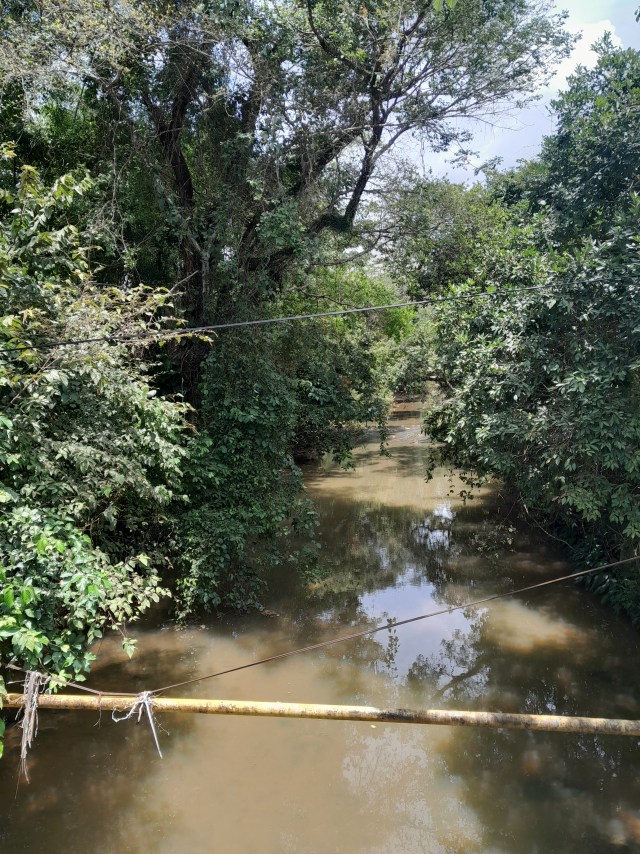
During our visit to San Martin area, this time, a huge storm broke over night and the stream along which the forest growth was flooded, trees were as greener as they become after a heavy rain. A giant anteater (Myrmecophaga tridactyla), tamandua (Tamandua tetradactyla) and coatis (Nasua nasua) were also roaming around. Coatis also had babies at this time of the year making the forest a nursery.

If you want to support our activities, please visit https://fineartamerica.com/art/xyomara+carretero or get in contact with us at xcarretero@gmail.com if you want to collaborate, donate or volunteer in our activities. You can also support our activities by buying our ornate titi monkeys stuff dolls https://www.instagram.com/p/Ctm_sEORvk8/?igshid=MzRlODBiNWFlZA== and our new journals in Amazon https://www.amazon.com/X-Carretero/dp/B0CWD1DBJM/ref=mp_s_a_1_1?

© Copyright Disclaimer. All pictures used on this web page are protected with copyrights to Xyomara Carretero-Pinzón. If you want to use any of these pictures, please leave a message on the website or contact xcarretero@gmail.com
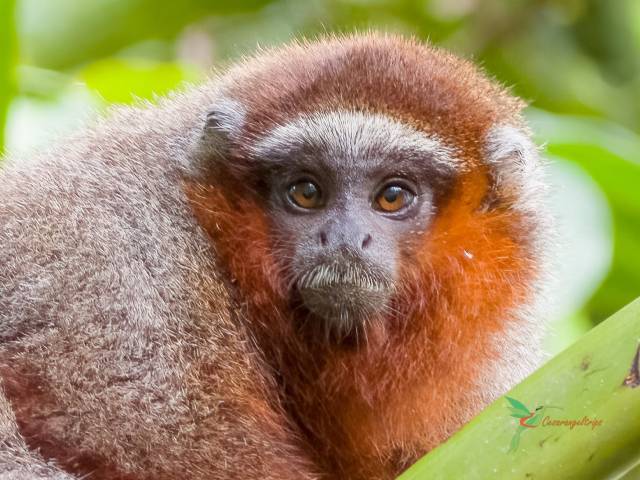
Monkey Forest Tales: A collaborative article to understand why monkeys in Latin America and lemurs in Madagascar prefer to use trees instead of the ground to move (Español abajo)

In today’s post, we continue with our series of articles based on information we had been collecting in the study area over the past 20 years. We are going to talk about an article in which researchers working in Latin America and Madagascar used information collected in many places where monkeys and lemur are found in the wild to better understand why in Latin America and Madagascar primates use mainly trees instead of on the ground to move, which is more used by primates in Asia and Africa. This kind of article requires information from many species and places and researchers collaborate and share their information to answer questions related to wider conceptual questions, such as how terrestriality (moving on the ground instead of on trees) evolves?

For this article, we share information we collected as part of my master thesis on ecology and behavior of Colombian squirrel monkeys in the study area. This study found that monkeys and lemurs tend to use the ground more in areas with less canopy cover (areas where there are less big trees, such small fragments) and higher temperatures (hotter sites). Also, the species that use more the ground are species that eat more items and not only fruits, for example Colombian squirrel monkeys that eat a lot of insects and spiders and flowers and not only fruits (and bananas as many would think!!). Species that live in larger groups also use the ground more.

Over the years, we also have seen other species using the ground for many activities such as searching for food, movement, play and even interacting with other species. Most of these behaviors are sometimes influenced by lack of trees where the monkeys can move from one fragment of forest to another, that is why it is so important to connect forest fragments with trees. The use of the ground in animals in the study area is not always a natural behavior but something the monkeys need to do because we didn’t give them any other option.

Español: Un artículo de colaboración para entender por qué los monos en Latino América y lemures en Madagascar prefieren usar árboles en vez del suelo para moverse

En este blog, continuamos con nuestra serie sobre artículos basados en la información que hemos estado colectando en el área de estudio en los últimos 20 años. Vamos a hablar de un artículo en el que investigadores trabajando en Latino América y Madagascar usando información colectada en muchos sitios donde monos y lemures se encuentran en vida silvestre para entender mejor porqué en Latino América y Madagascar los primates usan principalmente árboles en vez de en el suelo para moverse, que es más usado por primates en Asia y Africa. Este tipo de artículos requieren información de muchas especies y lugares y los investigadores colaboran y comparten su información para responder preguntas relacionadas con preguntas conceptuales amplias, tales como ¿Cómo la terrestrialidad (moverse en el suelo en vez de sobre los árboles) evoluciona?

Para este artículo, nosotros compartimos información que colectamos como parte de mi tesis de maestría sobre la ecología y comportamiento de los monos titi (frailes) en la zona de estudio. Este estudio encontró que los monos y lemures tienden a usar el suelo más en áreas con menos cobertura del dosel (áreas donde hay menos árboles grandes, como fragmentos pequeños) y altas temperaturas (sitios calientes). También, las especies que usan más el suelo son especies que comen más ítems y no solo frutos, por ejemplo, los monos titis que comen muchos insectos, arañas y flores y no solo frutos (y bananos como muchos pueden pensar). Las especies que viven en grupos grandes también usan el suelo más.

A lo largo de los años, también hemos visto otras especies usando el suelo para muchas actividades tales como buscar alimentos, movimientos, jugar e incluso interactuando con otras especies. La mayoría de estos comportamientos son algunas veces influenciados por la falta de árboles donde los monos puedan moverse de un fragmento de bosque a otro, que es porque es tan importante conectar fragmentos de bosque con árboles. El uso del suelo por animales en el área de estudio no siempre es un comportamiento natural sino que algunas veces los monos necesitan hacerlo porque no tienen ninguna opción.

If you want to support our activities, please visit https://fineartamerica.com/art/xyomara+carretero or get in contact with us at xcarretero@gmail.com if you want to collaborate, donate or volunteer in our activities. You can also support our activities by buying our ornate titi monkeys stuff dolls https://www.instagram.com/p/Ctm_sEORvk8/?igshid=MzRlODBiNWFlZA== and our new journals in Amazon https://www.amazon.com/X-Carretero/dp/B0CWD1DBJM/ref=mp_s_a_1_1?

© Copyright Disclaimer. All pictures used on this web page are protected with copyrights to Xyomara Carretero-Pinzón. If you want to use any of these pictures, please leave a message on the website or contact xcarretero@gmail.com

Monkey Forest Tales: news from the field

In today’s post we are going to talk about some of our recent news from the field. This month field season was a little bit longer due to a small anonymous donation to our field surveys. We continue with our samplings of Colombian squirrel monkey’s babies (Saimiri albigena) in Villavicencio and San Martin. We also had the opportunity to see other primate species during our surveys.

During these surveys we try to count as many monkey groups of black-capped capuchins (Sapajus apella), red howler monkeys (Alouatta seniculus) and ornate titi monkeys (Plecturocebus ornatus) as possible. We also have the opportunity to spend time observing Colombian squirrel monkey’s babies during their first months of their lives. At the moment, Colombian squirrel monkeys have babies from one to three months old. So, some of the older babies are starting to move a little bit away from their mother’s body, starting to bite branches and trying to bite fruits, showing interest in their environment. However, this also means that Colombian squirrel monkey’s babies living in the city, also explore human structures while growing up in the city. Unfortunately, this means that in cities babies bite not only tree branches as well as electricity cables, which is a huge risk for this endemic species of Colombian primate.

It is time for ornate titi monkey’s babies too, however the ornate titi monkey’s groups we had seen up to now didn’t have any. However, we saw one six month old black capped capuchin baby in one of the groups we saw in San Martin. No babies had been observed for red howler monkeys. We will continue surveying monkey groups in both areas and will be able to make an additional sampling in Villanueva next month. Information about when and how many babies are born every year is important information to know the birth rate of monkey’s population. Over the years we have tried to compiled information about as many groups as possible of all monkey’s species in San Martin area, however resources are not always easy to get, so in some years we had not been able to collect all the information necessary, an effort we will try to correct this year and if possible, in the following years.

If you want to support our activities, please visit https://fineartamerica.com/art/xyomara+carretero or get in contact with us at xcarretero@gmail.com if you want to collaborate, donate or volunteer in our activities. You can also support our activities by buying our ornate titi monkeys stuff dolls https://www.instagram.com/p/Ctm_sEORvk8/?igshid=MzRlODBiNWFlZA== and our new journals in Amazon https://www.amazon.com/X-Carretero/dp/B0CWD1DBJM/ref=mp_s_a_1_1?© Copyright Disclaimer. All pictures used on this web page are protected with copyrights to Xyomara Carretero-Pinzón. If you want to use any of these pictures, please leave a message on the website or contact xcarretero@gmail.com