
Monkey Forest Tales: What happens after fieldwork?

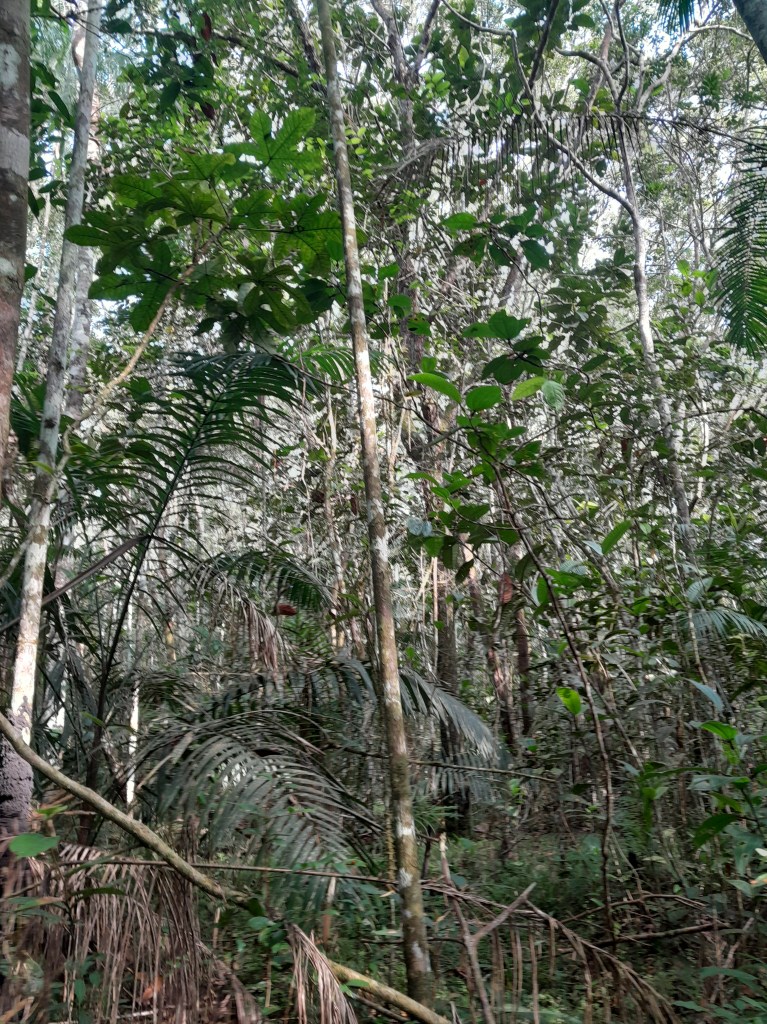
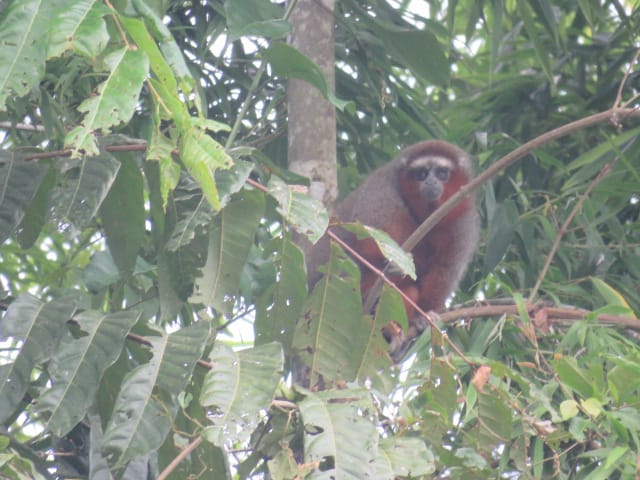
In our two last post we talked about our adventures and observations in the field, however doing science also means more work after the fun part, so today we are talking about some of the work we do after every fieldtrip. Clarification: for me fun part is always fieldwork… As some of you had read, we are doing a revision of ornate titi monkeys distribution limits, so after each fieldtrip, we need to do several things to make sense to all our data and to better understand where this endemic species is really found. This project includes a lot of mapping. We need to download all GPS information we collected in the field. We also need to review each point and verify that is correctly labeled for each observation. We also review each track and calculate total distance of each sampling for reporting. Additionally, as we are reviewing the whole distribution of ornate titi monkey, we also need to verify what areas inside its distribution area are still cover by forest. Therefore, we need to review and process several satellite images and use several layers or maps with different land covers. These layers or maps of different land covers need to be verified, which means we need to verify that each land cover is correctly placed, we used two methods to make this verification. First and every time that its possible we verify land covers on the ground by verifying our maps with direct observations in the real places. When access to those areas is difficult, we analyze several satellite images from the same area from different months to corroborate an specific area is covered by forest or any other specific land use such as palm oil plantation or rice plot, for example.After that we put all our observation points on a map, which includes all forest areas identified as well as all our field observations and observations from other researchers and verified records from other observers. Part of this work requires that we collect information from public databases, citizen science and review published and unpublished information. After all this we calculate current distribution of this endemic species using GIS tools. So after a lot of fieldwork we also spend a lot of time in front of our computers reviewing and processing information, and by this we mean we continue having fun by looking at maps and satellite images to complement what we observe in the field. Hopefully all this new information will help us to better conserve this incredible endemic species of Colombian Llanos, especially from Meta department.If you want to support our activities, please visit https://fineartamerica.com/art/xyomara+carretero or get in contact with us at xcarretero@gmail.com if you want to collaborate, donate or volunteer in our activities. You can also support our activities by buying our ornate titi monkeys stuff dolls https://www.instagram.com/p/Ctm_sEORvk8/?igshid=MzRlODBiNWFlZA== and our new journals in Amazon https://www.amazon.com/X-Carretero/dp/B0CWD1DBJM/ref=mp_s_a_1_1?© Copyright Disclaimer. All pictures used on this web page are protected with copyrights to Xyomara Carretero-Pinzón. Picture in this post was taken by Francisco Gomez. If you want to use any of these pictures, please leave a message on the website or contact xcarretero@gmail.com

Monkey Forest Tales: More news from the field

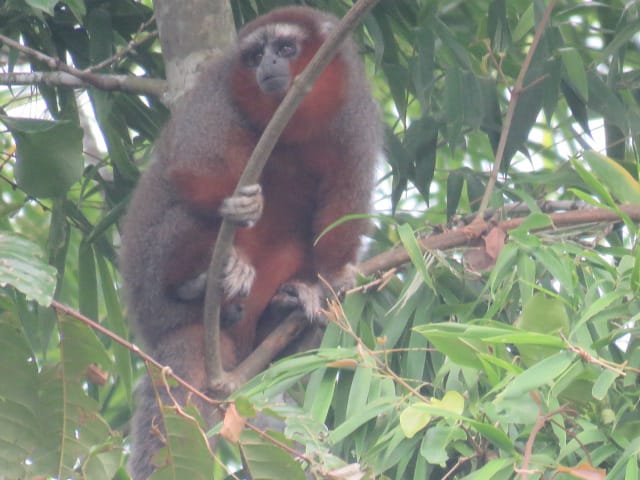
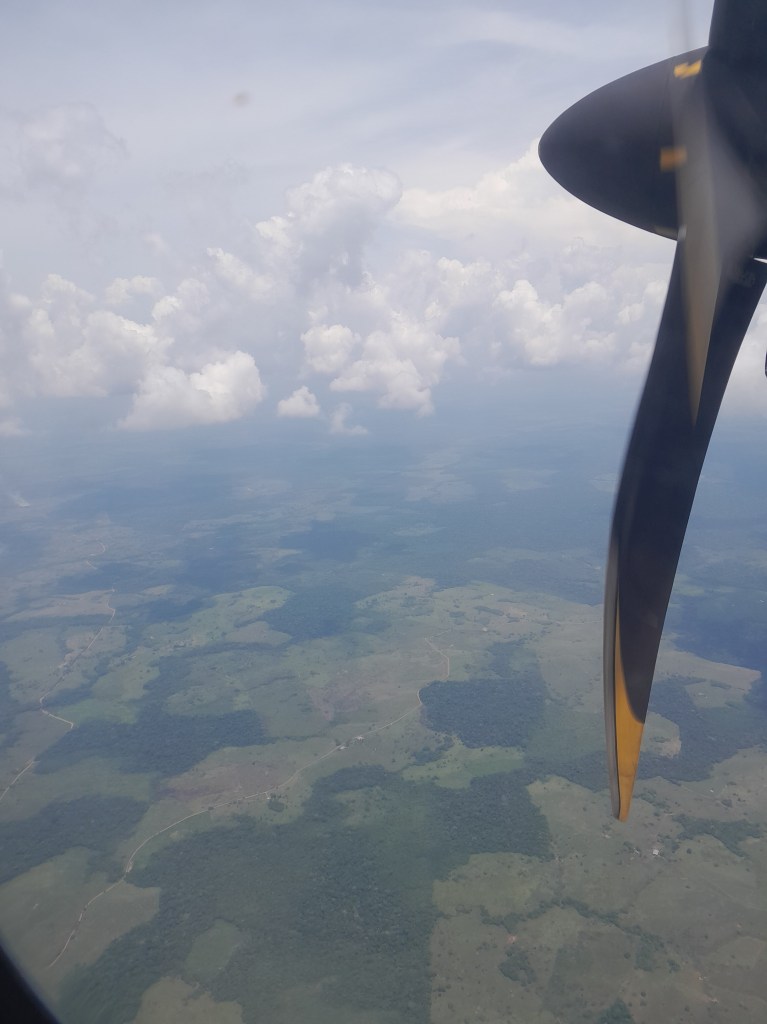
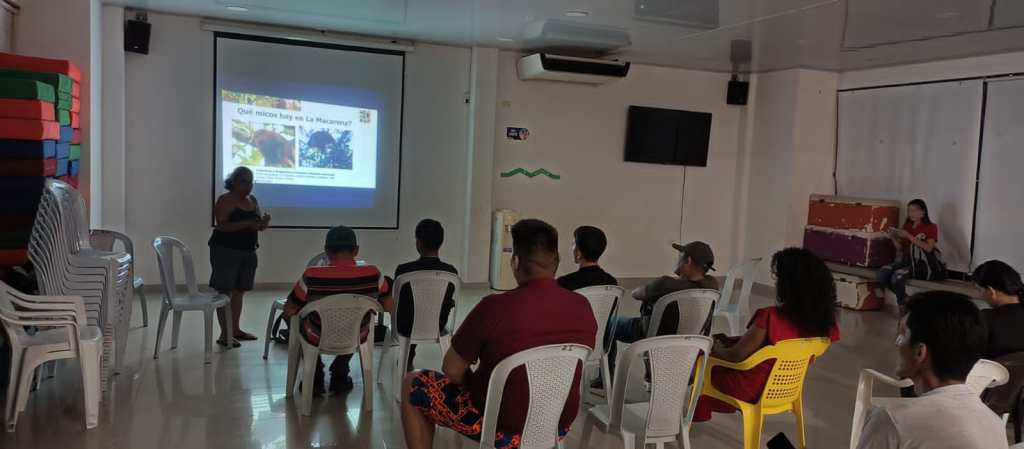
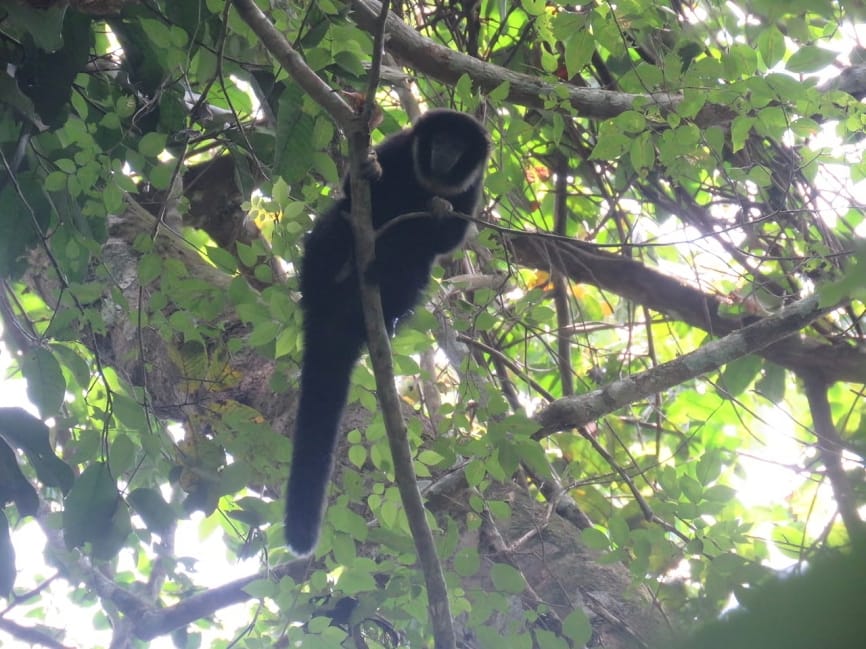
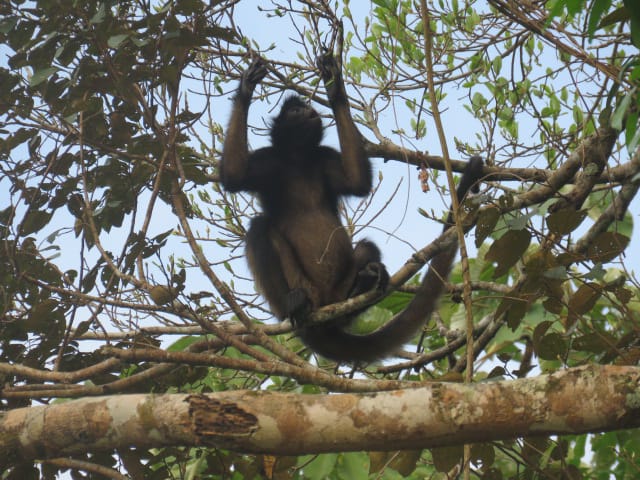
In today’s post we are talking about our last fieldtrips looking for ornate titi monkeys (Plecturocebus ornatus), including a trip to a wonderful area where Orinoquia, Andean and Amazonian fauna and flora meet, an area of great beauty and complex topography. In our search for ornate titi monkeys, we traveled from this species northern limit towards south looking for this elusive monkeys, using vocalizations, informal interviews and direct sightings to find a species of small monkeys which is endemic mainly to Meta department. In our trip in the north, we only found them in few places. However, they still remain in forest fragments close to towns and cattle ranches.Then we travel to the southern part of its distribution, in the amazing Macarena area, where they are in gallery forest fragments close to streams and Guayabero river, in the north bank. Traveling towards Guayabero river south bank, we found a cousin of ornate titi monkeys, white-chested titi (Cheracebus lugens), a similar monkey of black fur with white hands and white collar. In our trips along Guayabero river we also witness other monkeys, resting in tall trees we saw red howler monkeys (Alouatta seniculus), woolly monkeys (Lagothrix lugens), and spider monkeys (Ateles belzebuth). We also saw Colombian squirrel monkeys (Saimiri albigena) and black capped capuchins (Sapajus apella) running and catching arthropods close to river banks. Our trip took us a bit more south, to larger patches of lowland forest, with high canopies. This higher canopy give us an additional surprise, a larger and colorful monkey, with bird sounds flying through tall trees, a black ouakary (Cacajao ouakary). This is a big monkey with short tail, poorly known even to local people in the area. We didn’t see other monkeys more typical from Amazonian forest such as black mantle tamarin (Leontocebus nigricollis) and Humboldt white-fronted capuchins (Cebus albifrons), both species rarely seen by local guides. We also look close to town for nocturnal monkeys, but this elusive small monkeys didn’t let us see them. If you love to see monkeys this area will give you some amazing surprises with a wide diversity of species from Orinoquia and Amazonian regions that you can combine with bird species unique from this area. Local tourist guides have a wide knowledge and potential to include fauna watching, birds, dolphins and monkeys, in their activities as a complement to its touristic activities.We take advantage of our visit to this incredible area, to also organize a small talk about monkeys with tourism guides where we share our monkey stories. We talk about monkeys and how we can take care of them and ways to coexist with them while they develop their economic activities. So, if you visit La Macarena town area, look for birds, dolphins and monkeys, while you visit the river of seven colors, ask questions to local guides as they love to talk about their local fauna and let us know what you see.If you want to support our activities, please visit https://fineartamerica.com/art/xyomara+carretero or get in contact with us at xcarretero@gmail.com if you want to collaborate, donate or volunteer in our activities. You can also support our activities by buying our ornate titi monkeys stuff dolls https://www.instagram.com/p/Ctm_sEORvk8/?igshid=MzRlODBiNWFlZA== and our new journals in Amazon https://www.amazon.com/X-Carretero/dp/B0CWD1DBJM/ref=mp_s_a_1_1?© Copyright Disclaimer. All pictures used on this web page are protected with copyrights to Xyomara Carretero-Pinzón. Pictures in this post were taken by Francisco Gomez. If you want to use any of these pictures, please leave a message on the website or contact xcarretero@gmail.com
Monkey Forest Tales: More Field News

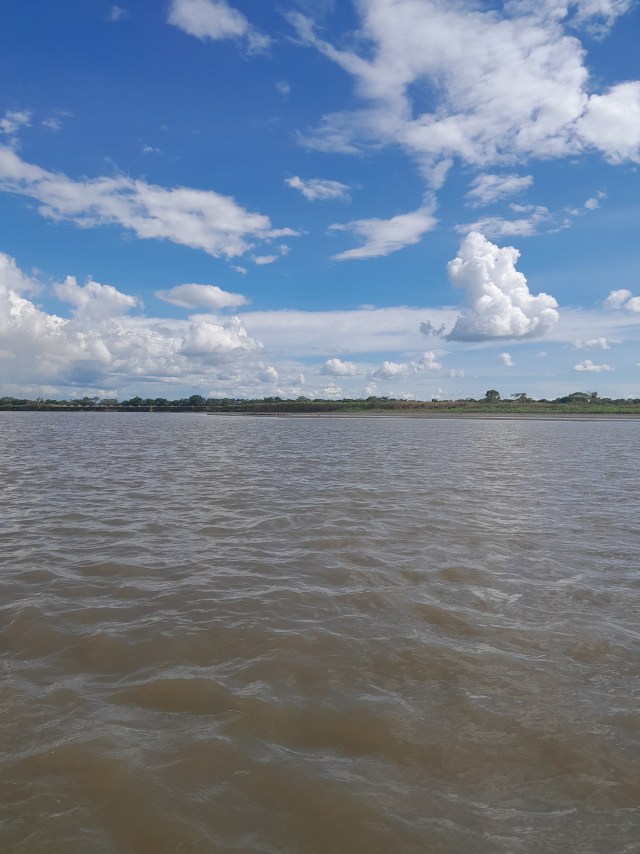
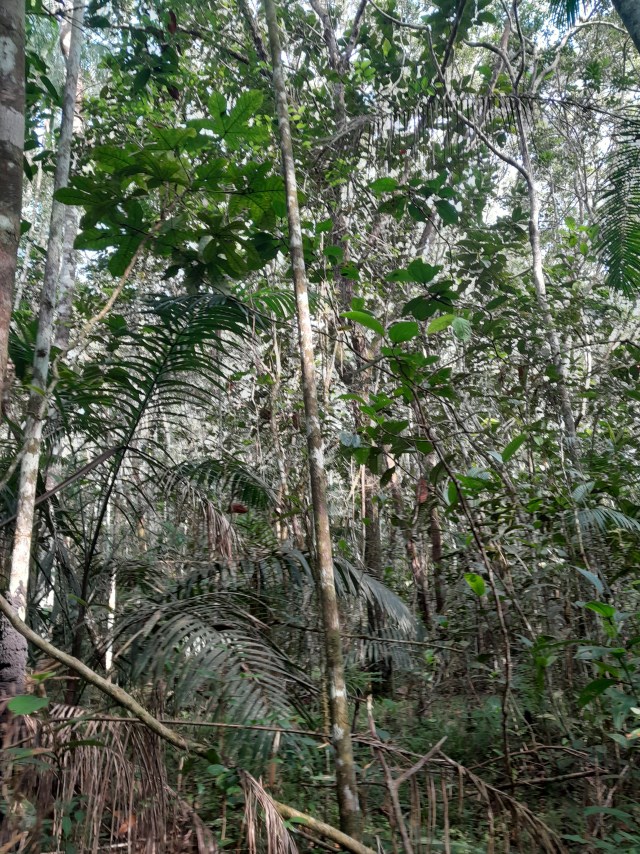
In today’s post we are discussing more filed news, as our fieldwork continues with the project of ornate titi monkey’s distribution limits revision, we are getting a better idea of what is the current state of this endemic primate near of its distribution limits. Samplings had been challenging in terms of logistic as it is not always easy to get access to forest, however local people information had been of great importance in this project as well as additional information given by local tourism guides, especially those focused on bird watching. So, we would like to make a call for us scientist to take advantage of the information that this group of dedicated professionals that spend a lot of time inside forest to also help us to collect information about all those primate species of which we knew very little.

So. if you are a tourism guide focused on bird watching who had seen primate species while observing birds, please contact us and let us know what monkeys and where had you seen them. (Spanish: Si eres guía turístico enfocado en observación de aves que has visto monos mientras observas aves, por favor contáctanos y déjanos saber que monos has visto y donde).

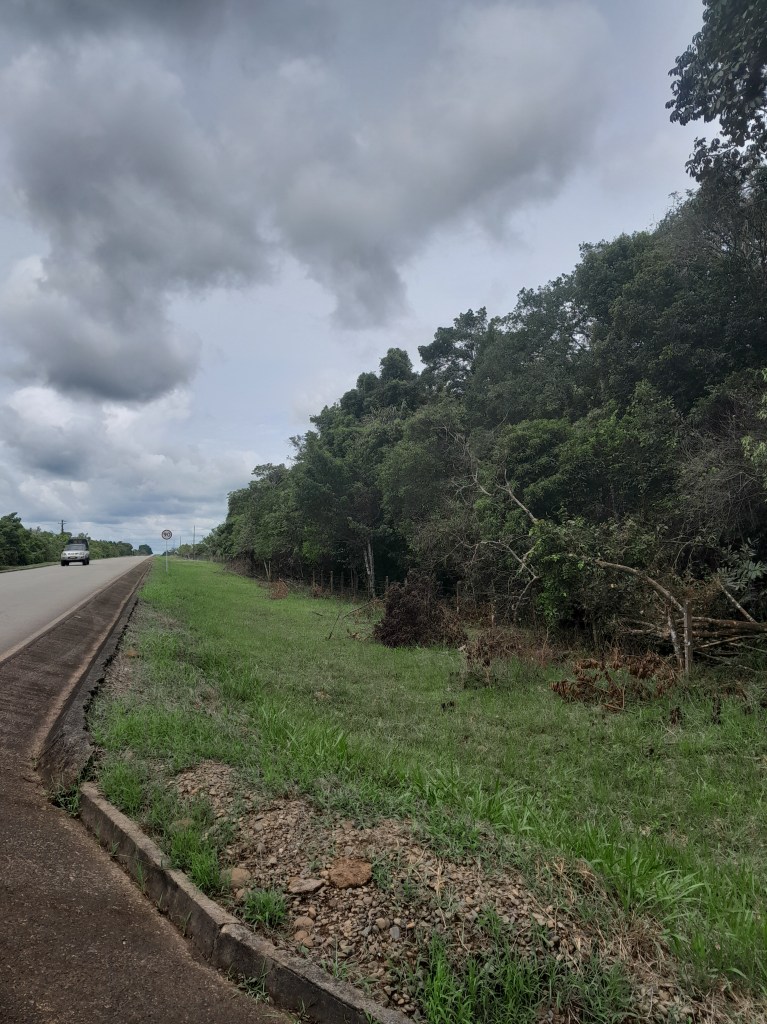
Apart from the logistic challenges, ornate titi monkey’s cryptic behavior also represents a challenge when sampling in areas close to roads with high traffic, where can be observed but they became more elusive and tend to be more silent and less responsive to playbacks. However, these challenges had also some great advantages such as the additional fauna that have been observed during these samplings, with capybara tracks (Hydrochaeris hydrochaeris), horned screamer (Anhima cornuta), crab-eating foxes (Cerdocyon thous), giant ant eaters (Myrmecophaga tridactyla), Iguanas (Iguana iguana) and coatis (Nasua nasua) among other mammals, reptiles and birds observed during our terrestrial and riverine samplings in search of ornate titi monkeys. Additional observation of groups of other primate species also had been important as new changes for some of the species in the are occurring in terms of taxonomy and distribution. We also want to thank Primate Conservation Inc. for the additional support they grant us to continue with field sampling to better determine the northern limits of ornate titi monkeys.

In terms of other projects, we are developing, we had done some progress on squirrel monkey populations counts (Saimiri albigena (before known as Saimiri cassiquiarensis albigena)) inside Villavicencio city as well as some progress on understanding many threats this species faced in urban areas, where provisioning is becoming more common as a source of tourism income. This particular threat has been addressed by other organizations in Villavicencio with some degree of success. Although there are other threats such as electrocutions and attacks by domestic dogs that still need to be addressed. More news about this project result and publication coming soon!!

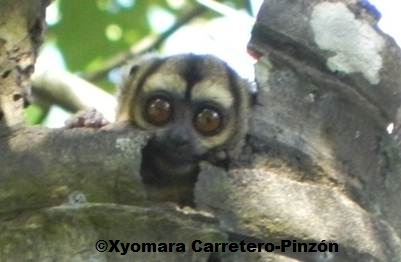
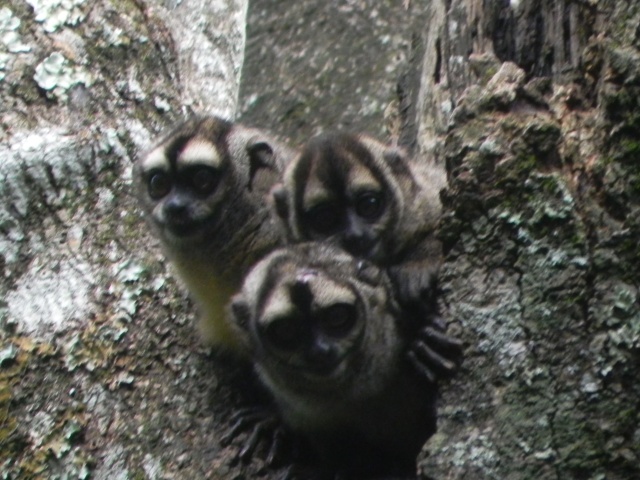
Our project about Brumback night monkeys (Aotus brumbacki) in which we evaluate variables at different scales on this species presence and abundance had its field season finished at the begging of this year, however we continue working in our publication that had receive some incredible comments from reviewers and we want to thank them because it had increased our understanding of this species enormously. More news and publication about these results coming soon!!!

If you want to support our activities, please visit https://fineartamerica.com/art/xyomara+carretero or get in contact with us at xcarretero@gmail.com if you want to collaborate, donate or volunteer in our activities. You can also support our activities by buying our ornate titi monkeys stuff dolls https://www.instagram.com/p/Ctm_sEORvk8/?igshid=MzRlODBiNWFlZA== and our new journals in Amazon https://www.amazon.com/X-Carretero/dp/B0CWD1DBJM/ref=mp_s_a_1_1?

© Copyright Disclaimer. All pictures used on this web page are protected with copyrights to Xyomara Carretero-Pinzón. If you want to use any of these pictures, please leave a message on the website or contact xcarretero@gmail.com

Monkey Forest Tales: Feral dogs and wildlife conflict

$CoMmEntp5

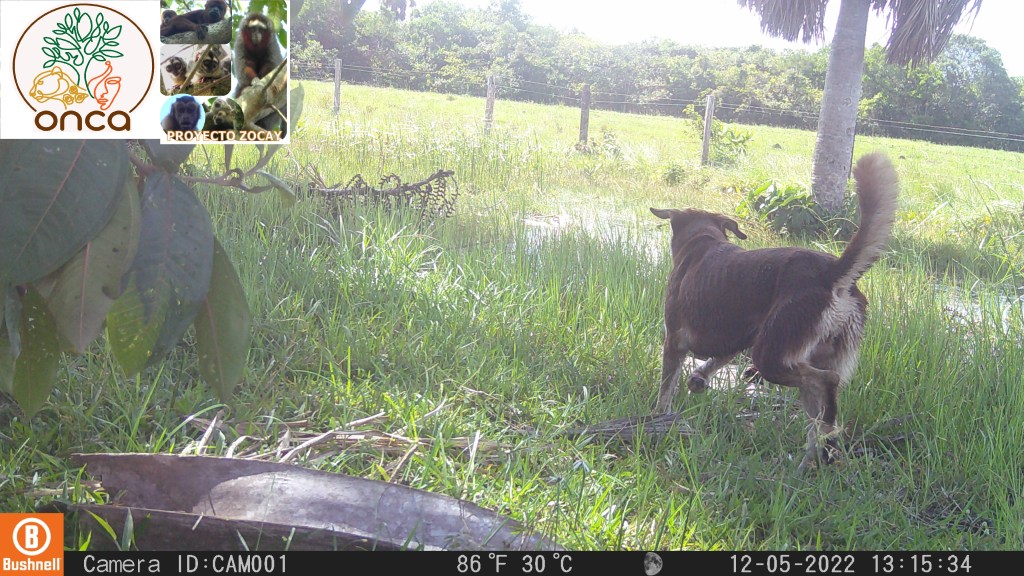
In today’s post we are going to talk about an issue that is complicated and rise emotional responses in the general public, but necessary to address if we care about wildlife as well as dogs.Generally, in rural areas of Colombia and many other countries (if not every country) farms, cattle ranchers and houses had domestic dogs. In Colombia is common in rural areas to have more than one and they roam freely. Some are used in hunting of small rodents and armadillos. And probably one of the biggest problems with these dogs is that they are rarely vaccinated. Therefore, they carried multiple diseases that can be transmitted to wildlife, especially other carnivores such as ocelots, spectacled bears, coatis, and crab-eating foxes, among others. An example of this is recent reports of an spectacled bear with distemper near to a paramo in Colombia. Reports of feral dog attacks on wildlife, and even small kids and old people had been registered in multiple rural areas around the world. Solutions to these attacks and disease transmission varies with vaccinations campaigns and lethal measures in areas where feral dogs attack are frequent and threats human population. Additional measures should include awareness and education of dog owners about their responsibilities with their domestic animals.In our study area, feral dogs observation had increased in recent years with an increased risk of disease transmission to wildlife. A vaccination campaign was done last year, in collaboration with small cats initiative and Onca foundation, in surrounding farms in order to reduce those risk, however new vaccination campaigns are need it as new dogs arrive every time new workers start in a farm, something that happens very often in our study area.Feral dog attacks are not often seen on primates in the study area, however many species used wire fences, living fences and even pastures to move between forest fragments where they are more prone to be attack by feral dogs. Additional reports of domestic and stray dogs in urban areas had also been done, where dog’s owner responsibility is necessary.So if you are a dog owner, please use a leash and keep your dog vaccination scheme up to day to protect wildlife to get sick and be attack by you dog. If you want to support our vaccination campaigns in our study area, please contact us at xcarretero@gmail.comIf you want to support our activities, please visit https://fineartamerica.com/art/xyomara+carretero or get in contact with us at xcarretero@gmail.com if you want to collaborate, donate or volunteer in our activities. You can also support our activities by buying our ornate titi monkeys stuff dolls https://www.instagram.com/p/Ctm_sEORvk8/?igshid=MzRlODBiNWFlZA== and our new journals in Amazon https://www.amazon.com/X-Carretero/dp/B0CWD1DBJM/ref=mp_s_a_1_1?© Copyright Disclaimer. All pictures used on this web page are protected with copyrights to Xyomara Carretero-Pinzón. If you want to use any of these pictures, please leave a message on the website.

Monkeys Forest Tales: Some news of our fieldwork

In today’s post we are talking about some small advances in our last fieldwork trips. After a small, forced break product of health challenges, we are back to the field. This year fieldwork had been focused on Plecturocebus ornatus distribution sampling. This sampling implies talking with local people about animals, do surveys whenever is possible, playback these incredible endemic monkeys vocalization. So, if there are living in those places they will answer. We are also reviewing lots of information about this species and where people had seen them and checking maps to see in which areas they still have forest where they can survive. Hopefully all this information will help us to understand what else is need it to make this species thrive.

In a recent trip to the eastern limit of this endemic monkey species, we were able to locate a forest fragment in which locals had seen this elusive species, although we weren’t able to see it, reports from local people are important part in our study as it complement the samplings, we are able to do. Sampling a wide area had several challenges and probably one of the biggest is to get access to forest fragments inside private land, especially in an area of Colombia where social unrest had a big influence on how people move and relate in the territory. Thankfully in these areas local people is still kind and friendly to strangers, with a coffee at hand we are always able to share stories about animals in our surroundings.

An additional trip to the northern part had also gave us some surprises with squirrel monkey babies growing up, a few local people reports of ornate titi monkeys in areas not visited in previous surveys. A far away vocalization of a group of red howler monkeys calling for rain in a sunny day, a surprising beautiful forest with amazing birds of different colors and surprising songs near to Meta river. Unpredictable weather, with rain and sun in the same day and over the course of a few hours. A hidden snake in a hole on a river beach. New friends in our way and more places to survey. This is how our last few fieldtrips have passed.

In the following weeks additional trip logistics will be under way to better understand how ornate titi monkey are distributed and how much habitat is really available to the to thrive.

If you want to support our activities, please visit https://fineartamerica.com/art/xyomara+carretero or get in contact with us at xcarretero@gmail.com if you want to collaborate, donate or volunteer in our activities. You can also support our activities by buying our ornate titi monkeys stuff dolls https://www.instagram.com/p/Ctm_sEORvk8/?igshid=MzRlODBiNWFlZA== and our new journals in Amazon https://www.amazon.com/X-Carretero/dp/B0CWD1DBJM/ref=mp_s_a_1_1?© Copyright Disclaimer. All pictures used on this web page are protected with copyrights to Xyomara Carretero-Pinzón. If you want to use any of these pictures, please leave a message on the website.

Monkey Forest Tales: why is so difficult to write?

Before telling you what topic will be this post, I want to apologize for not publishing before. As it happens to all of us, sometimes life present you with different challenges and when you decide to write about something on a regular basis, sometimes inspiration just elude us. It is the same even when you are writing a scientific article. So in today’s post we are going to talk about writing.

You just don’t need only inspiration to write, you also need some kind of mind frame and sometimes even specific times to write. This is true not only when writing blogs, novels but also when writing scientific articles too. Probably one of the main lessons I learned during my doctorate was that you have some times during the day where you are more focus and motivated to write. Therefore you need to recognize those times to take advantage and write. For each person that time varies. For some are early mornings and for others is late at night. Those times also can change over time and be different at different stages of your life.

Recently, we also found in different blogs and even papers focus on writing, descriptions of some interesting techniques to make your writing for focus. One technique I try to use, although not always very successfully is the pomodoro technique. This technique basically chooses some time blocks specifically to write your ideas, while at other time blocks you focus on editing tasks. I have tried this in short and long blocks of times and can said that sometimes it works but other times not so much. That is why I say you also need to have some kind of mind frame so writing become fluently, even more if you write in a language different than your native language. I can not tell you how long some post had taken me to finish, some seems to take just a few couple of dozen minutes while others seem to take longer. It really is a craft that to me seems to be evolving all the time.

So, if you, like me, find yourself struggling to write anything academic or not, don’t feel discourage when your feel blocked. Just keep trying and at some point, your writing will loose and you can continue enjoying the learning process that writing is…

If you want to support our activities, please visit https://fineartamerica.com/art/xyomara+carretero or get in contact with us at xcarretero@gmail.com if you want to collaborate, donate or volunteer in our activities. You can also support our activities by buying our ornate titimonkeys stuff dolls https://www.instagram.com/p/Ctm_sEORvk8/?igshid=MzRlODBiNWFlZA== and our new journals in Amazon https://www.amazon.com/X-Carretero/dp/B0CWD1DBJM/ref=mp_s_a_1_1?© Copyright Disclaimer. All pictures used on this web page are protected with copyrights to Xyomara Carretero-Pinzón. If you want to use any of these pictures, please leave a message on the website.
Monkey Forest Tales: Some thoughts about academia

A few months ago, while I was talking with some students about publications and academy in general. I don’t remember thinking too much about this while I was studying, except by a few specific advice that one professor give me. I’m not so sure how much people ask about this because I had not been in an academic environment for a couple of years as my jobs are mainly outside of universities. However, it seems that it is not so clear for some of the young biologist, at least in Colombia. Each country probably has some variations of the following main points if you want to work in academy. The main objective is to work in a university as a professor. For this, in today’s world, one of the main requirements is to have at least a master, although in most universities today a doctorate is necessary. A second and probably the most important one in this academic system is to publish your work. You can start doing this before you finish your bachelor by working in a research laboratory or with one of your favorite professors from your career. Be proactive, ask questions, participate in their research activities and read a lot about your favorite topic or your favorite organism.Participate in conferences, start with the ones that are in your country or region and present your own research. Then, participate in Latin-American or international congresses focused on the topic of your interest. While in those conferences, participate in workshops, courses and do networking (talk with others about your research). I have to admit this last one (networking) is not my favorite and I’m probably not that go at it. It had costed me a lot of effort, its never easy for me to talk with new people, but it is really important in academy.Collaborate, this one also has cost me some effort, hopefully I’m becoming better at this. Talk with other about collaborations and share ideas to combine your data and expertise with others. Volunteer in research project, this will give you experience in topics of your interest with less money investment, at least in some projects.All these things cost money, something that probably make this difficult for most people in Global South. However, there are grants that cover most of this, look for them, take the time to search and read all the requirements and if you had at least one publication, grants become more and more feasible for you. Look for grants in universities’ websites as well as in government official sites. Most of the big conferences had grants to travel and present your research, look for them! Apply to as many as you can.One final advice, make sure you learn English, yes despite if you like it or not science is still done in English and in many countries (with or without English as their main language) English is the language to apply for many grants and fellowships. There are grants that include some months to learn the local language, so that should not be and excuse to apply. And if you don’t get it in your first try, apply again. I must wait 10 years to get a grant to make my doctorate and there were many rejections before that. So, if you really want to make your career in academy, be persistent and apply to as many grants as you can and publish good science as much as you can.If you want to support our activities, please visit https://fineartamerica.com/art/xyomara+carretero or get in contact with us at xcarretero@gmail.com if you want to collaborate, donate or volunteer in our activities. You can also support our activities by buying our ornate titimonkeys stuff dolls https://www.instagram.com/p/Ctm_sEORvk8/?igshid=MzRlODBiNWFlZA== and our new journals in Amazon https://www.amazon.com/X-Carretero/dp/B0CWD1DBJM/ref=mp_s_a_1_1?© Copyright Disclaimer. All pictures used on this web page are protected with copyrights to Xyomara Carretero-Pinzón. If you want to use any of these pictures, please leave a message on the website.
Monkey Forest Tales: Dangers of provisioning monkeys in urban settings

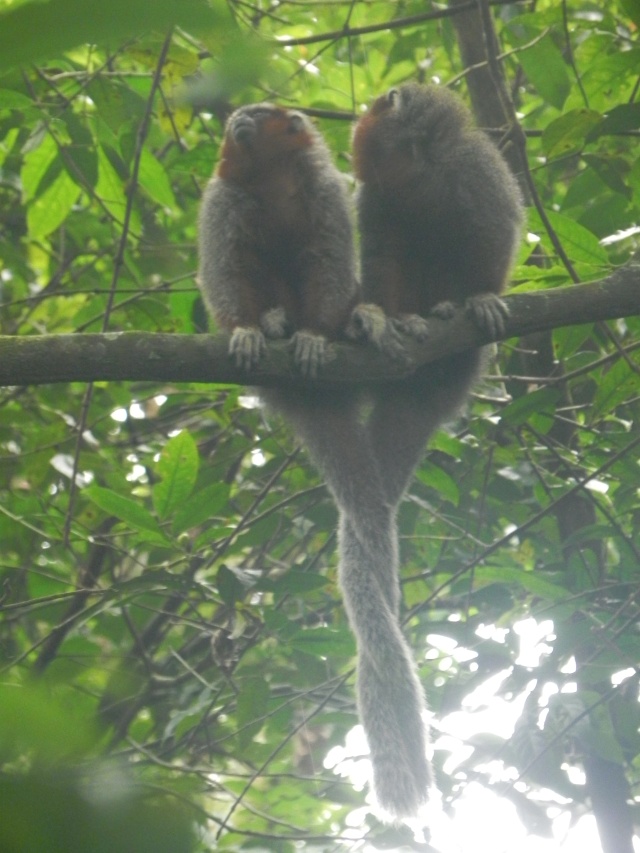
In today’s post we like to discuss all the additional dangers that provisioning monkeys in urban settings carry to both human and monkeys. Deforestation rates on monkey distribution ranges are increasing rapidly with numerous species getting in close contact with human populations in rural and urban areas. In urban areas, that close proximity to monkey’s populations carries out many dangers to both monkeys and humans. Additionally, some structures like energy transformers and electric cables as well as roads increase monkey’s challenges in an already resource limited environment. But what are the dangers of provisioning monkeys. In some initial monkey’s studies provisioning monkeys with a food source was used to get monkeys closer to observe behaviors. However, when monkeys get used to be feed by humans and lost their natural fear and untrust to humans, they came closer to humans allowing direct contact. This contact can be dangerous to both in terms of disease and germen transmission between both. We already know that many monkey species are susceptible to respiratory and digestive human diseases from studies done in captivity.Another danger of provisioning monkeys is their use of lower structures that make them an easier target to domestic dog’s attacks. The use of lower structures and the ground increase their risk to road killings as they sometimes even use moving car roofs as support structures to pass from food trees in some cities. Although there is poor information in most areas about the numbers of domestic dog’s attacks and road kills in urban and rural areas, this is threat that is increasing more due to urbanizations and deforestation of many areas in Colombia.Provisioning monkeys also change monkey’s natural behavior increasing conflict situations between monkeys and human as they enter to stores and houses to steal food and can cause panic and even cause bite incidents. Although there are reports of this incident in some parts around the world, we also don’t know much about its frequency. Retaliations from people affected are sometimes reported. In our study are close to San Martín town we heard of at least one group of Colombian squirrel monkey poisoned because they were entering houses to steal food.This close encounters also propitiate situations in which monkeys can bite people trying to feed them. This is especially true when old people, kids and nervous people are involved as they can control their emotions and movements scaring them and causing injuries to humans and monkeys alike.Finally, provisioning monkeys can impact their health and nutrition, although we still don’t know in which extent as very few information is available of what can produce a high consumption of bananas and other human food with high content of sugar in monkey’s bodies. I understand the excitement and wishes of people having a picture with monkeys close to them and even on their shoulders, however what most people forget is that even if they live inside a city, they are still wild animals that cannot be predicted and can change their behavior without any advice. Also, if you really like animals the best way in which you can demonstrate your love for them is by not putting them (and yourself) at risk of any dangers. Just enjoy looking at them wherever you observe them and try to conserve their natural habitat and make pressure on your local authorities to implement conservation and management actions to protect forest and animals living in it inside cities.

If you want to support our activities, please visit https://fineartamerica.com/art/xyomara+carretero or get in contact with us at xcarretero@gmail.com if you want to collaborate, donate or volunteer in our activities. You can also support our activities by buying our ornate titimonkeys stuff dolls https://www.instagram.com/p/Ctm_sEORvk8/?igshid=MzRlODBiNWFlZA== and our new journals in Amazon https://www.amazon.com/X-Carretero/dp/B0CWD1DBJM/ref=mp_s_a_1_1?© Copyright Disclaimer. All pictures used on this web page are protected with copyrights to Xyomara Carretero-Pinzón. If you want to use any of these pictures, please leave a message on the website.
Monkeys Forest Tales: Celebrating Biodiversity International Day

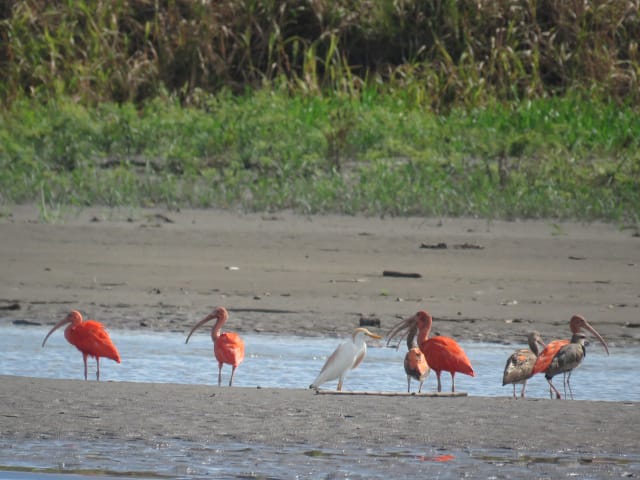
In today’s post we want to celebrate Biodiversity International Day by celebrating biodiversity in our field site area where fauna and flora from natural savannas, gallery forest, Mauritia flexuosa swamps and lowland relict forest meet and survive surrounded by introduced pastures, palm oil plantations and annual crops. This is an area of contrast where you can find different habitats immersed in highly transformed landscapes where cattle ranching, agriculture from small and large scale, petrol exploitation and infrastructure are all together. Despite this contrasting activities, there is a rich biodiversity still surviving in these areas of degraded habitats, including wild cats such as ocelots, jaguars and pumas as well as their preys (tapirs, collared peccaries and coatis) and other small-sized mammals such as crab-eating raccoons, tayras and small marsupials. A wide diversity of birds, butterflies, bees, frogs, snakes and ants. Giant ant-eaters and tamanduas with their high specialization to eat ants and termites. An incredible diversity of plants including several species of palms (in some forest fragments with at least 10 species) and species typical of interior and edge habitats. And of course, our main focus of study, primates with five species: red howler monkeys, black-capped capuchins, Colombian squirrel monkey, ornate titi monkey and Brumback night monkeys.This is a place where despite of centuries of transformation, native fauna ad flora shows resilience and give us hope of a better future for the planet and our own survivorship. An area with a long history and vibrant gastronomy. A place where animals, especially monkeys teach you about second opportunities, persistence and resilience. A place to celebrate biodiversity of a country where still nature is considered as something useful only if it can benefit human purposes and not just the right to be there and exist.Let’s celebrate our biodiversity resilience to face changes provoked by our activities and lack of respect for the wonderful creatures that share our planet…If you want to support our activities, please visit https://fineartamerica.com/art/xyomara+carretero or get in contact with us at xcarretero@gmail.com if you want to collaborate, donate or volunteer in our activities. You can also support our activities by buying our ornate titimonkeys stuff dolls https://www.instagram.com/p/Ctm_sEORvk8/?igshid=MzRlODBiNWFlZA== and our new journals in Amazon https://www.amazon.com/X-Carretero/dp/B0CWD1DBJM/ref=mp_s_a_1_1?© Copyright Disclaimer. All pictures used on this web page are protected with copyrights to Xyomara Carretero-Pinzón. If you want to use any of these pictures, please leave a message on the website.
Monkey Forest Tales: Let’s celebrate Mother’s Day

This weekend we celebrate Mother’s Day. Primates like many mammals are great at being moms, although like in humans there are variations of what a mom do for their babies. This variation goes from the ones that are not so tight to their babies because fathers take care of most of babies’ care like Brumback night monkeys and ornate titi monkeys. In the other extreme, we have mother’s that spend several years caring and protecting their babies, even when they are juveniles like in howlers, gorillas, and chimpanzees. We also have the moms who had a lot of help by living in large groups where other member of the group can help once babies get some independence like squirrel monkeys, black-capped capuchins, sometimes in howlers, tamarins, and many other primate species. Finally, we also had single moms who give everything for their babies like mouse lemurs and orangutans.
So as in humans, primate moms also had different styles and ways of care and protect their babies. We as another primate and mammal developed an instinct to protect and take care of our babies because biologically, they are an extension of us. However, we also are shaped by our social environments and member of our groups/ societies. Monkeys’ babies as human babies learn from their mothers what to it and where to find it. As in some cases babies steal from their mouth moms their food to try it for themselves. They also learn from their moms how to move and routes to move from one area to another.
When working with local communities, it is common to hear people telling stories of how monkeys moms teach their kids and even correct them when they do something considered wrong. For example, a common story is to hear people say that moms take a stick to hit their babies when they fell from tree. Although in all my years observing primates, I had never seen this, not in squirrel monkeys with which I had spent several hundred of hour, not with red howler monkeys with who I started my behavioral studies and with which I study babies’ behavior, in particular. However, it is still a common story. Probably as a reflection of how similar it is to see grow a monkey baby and a human kid.
So, in this Mother’s Day celebration, let’s celebrate also all primate mothers and their efforts and rights to see their babies grow up!!!
If you want to support our activities, please visit https://fineartamerica.com/art/xyomara+carretero or get in contact with us at xcarretero@gmail.com if you want to collaborate, donate or volunteer in our activities. You can also support our activities by buying our ornate titi monkeys stuff dolls https://www.instagram.com/p/Ctm_sEORvk8/?igshid=MzRlODBiNWFlZA== and our new journals in Amazon https://www.amazon.com/X-Carretero/dp/B0CWD1DBJM/ref=mp_s_a_1_1?
© Copyright Disclaimer. All pictures used on this web page are protected with copyrights to Xyomara Carretero-Pinzón. If you want to use any of these pictures, please leave a message on the website.