Monkey Forest Tales: Celebrating Biodiversity!!!

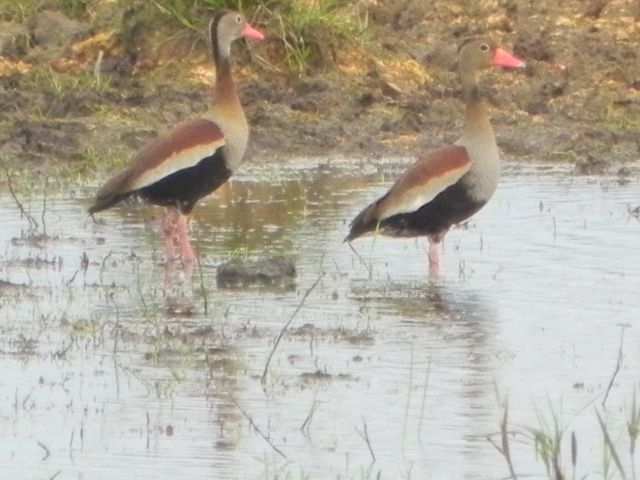
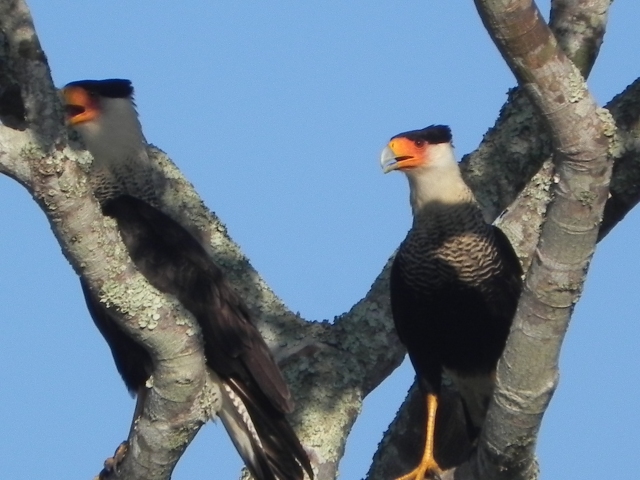
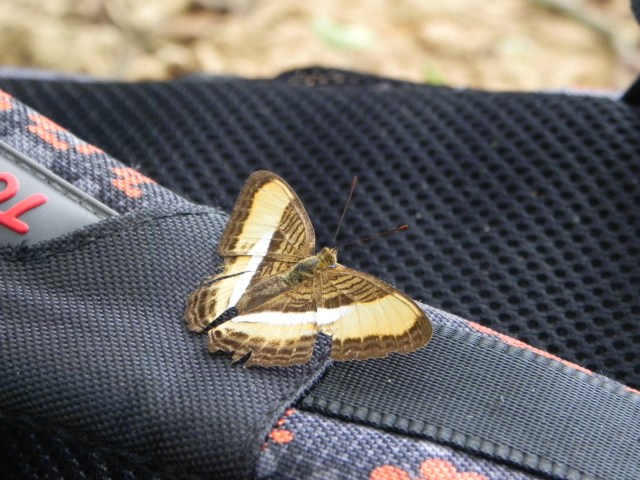
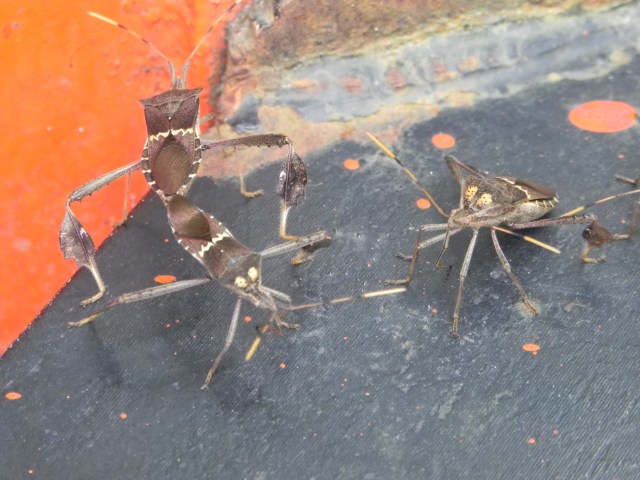
In today’s post I wanted to celebrate again Biodiversity Day, which we celebrate each year on May 22nd. Biodiversity is defined as the variety of life we have in the planet and Colombia is one of the most biodiverse countries in the world. Despite this our biodiversity is facing several problems and many threats coming from most of the activities we do in our daily lives.

Every decision we made daily, affects in some way the biodiversity of the places where we live and even the biodiversity of places farther, depending on where those products are produced. So, every time we buy our food, or decide to do any action (travel, use electricity or water in our houses, etc.), we are impacting the biodiversity of the areas where those goods are produced. If you are concern about those effects, one small action you can do is to think and research what kind of practices are used to produce those good. It is not always possible to find out and sometimes there is not way to change the way some of those products are produced, but at least you can decide how much impact you want your actions to have by buying or not those products.

Let also celebrate biodiversity by appreciating all the services it gives us, clean air and water, incredible animals to observe, delicious fruits, a variety of crops, etc. Let’s teach our children to appreciate and take care of that diversity by not incentive the use of guns to kill birds or throwing rocks to animals in the streets. Let’s be more rational about the products we use and how we dispose them, so they don’t end up killing wildlife.

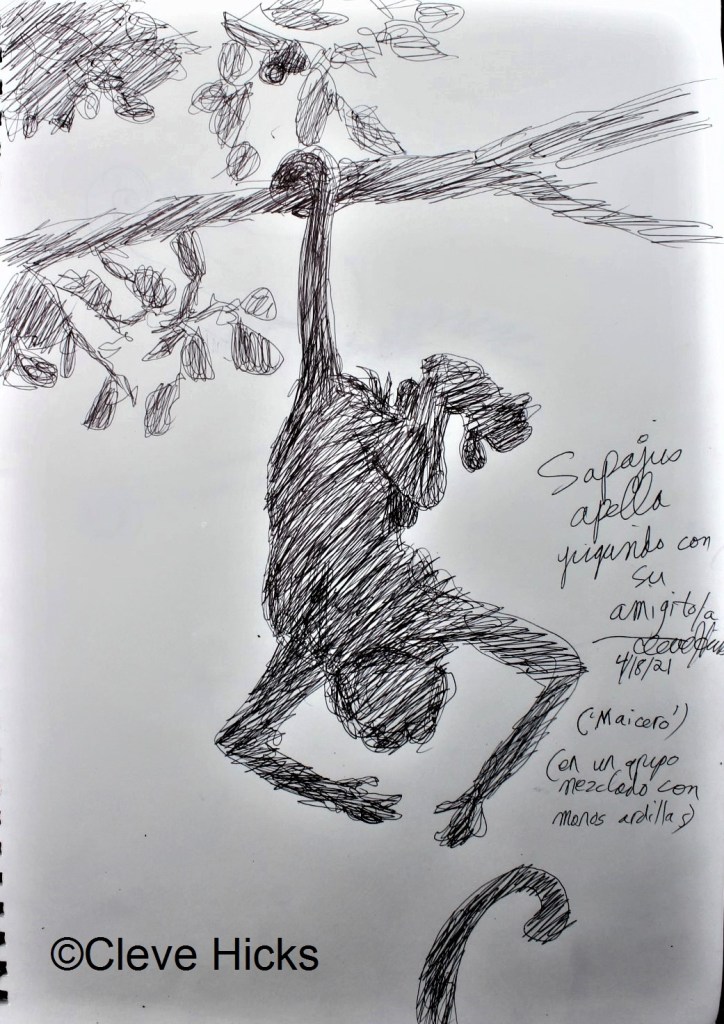
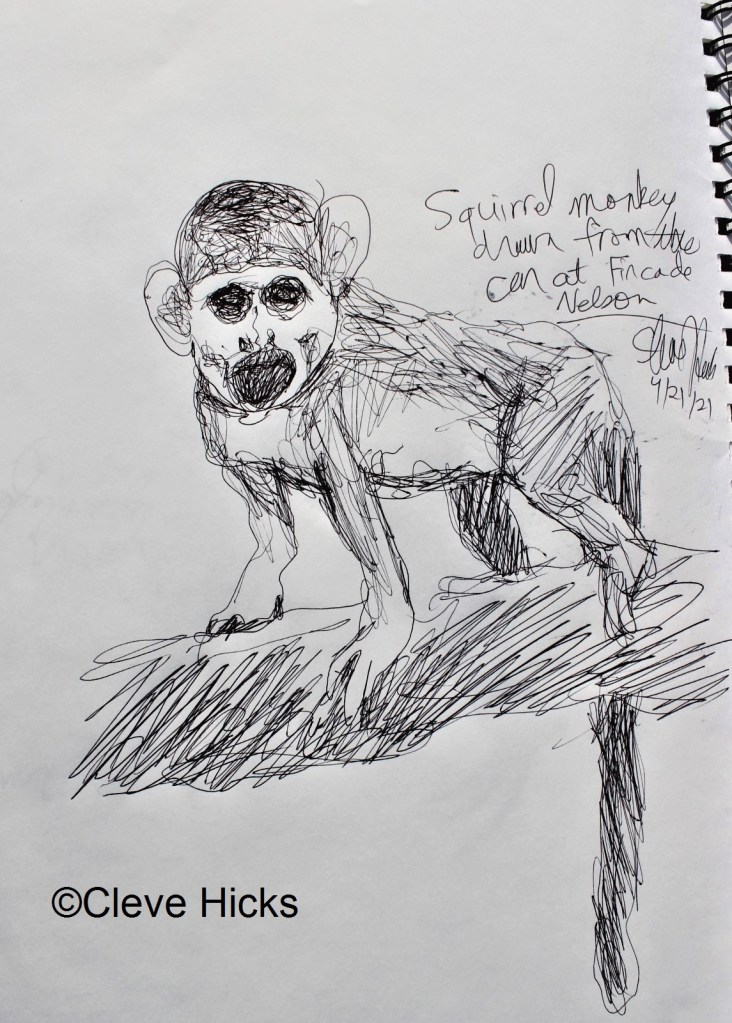
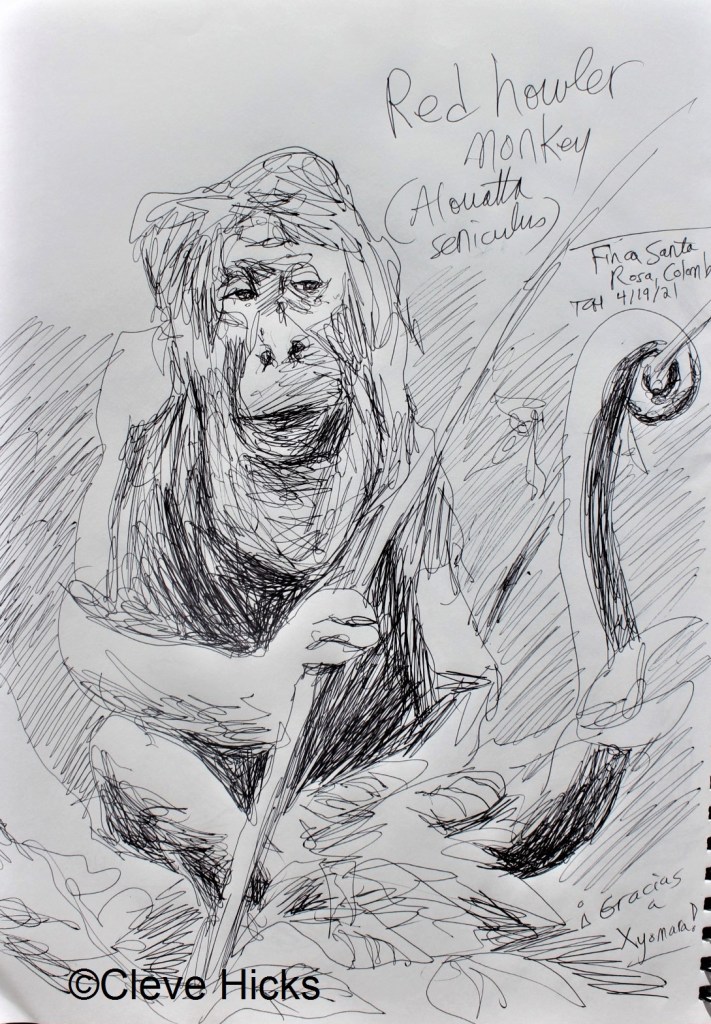
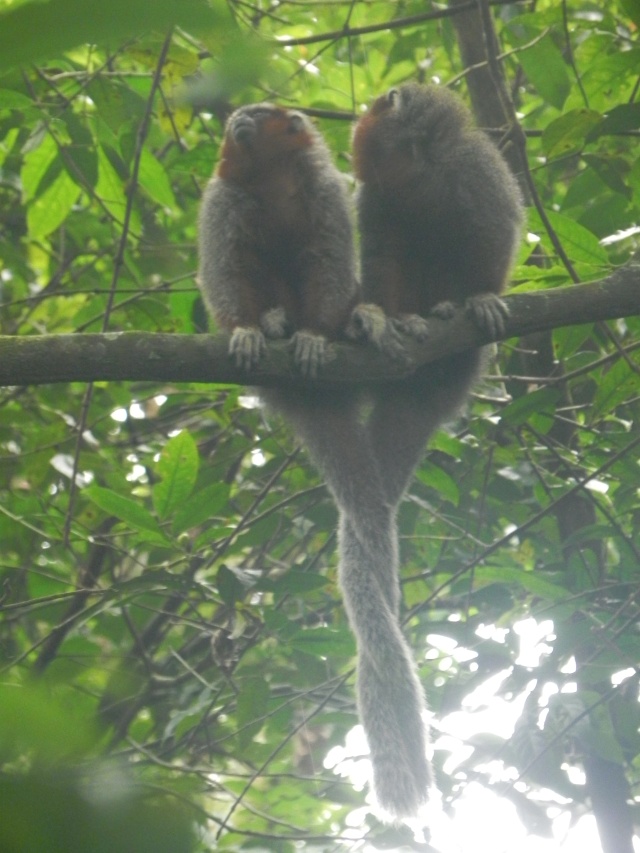
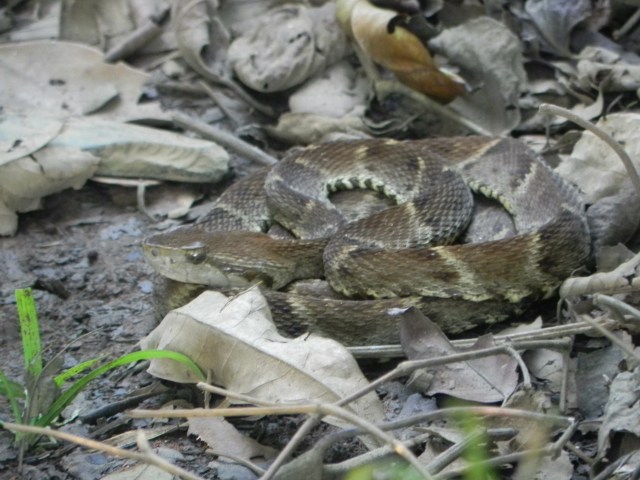
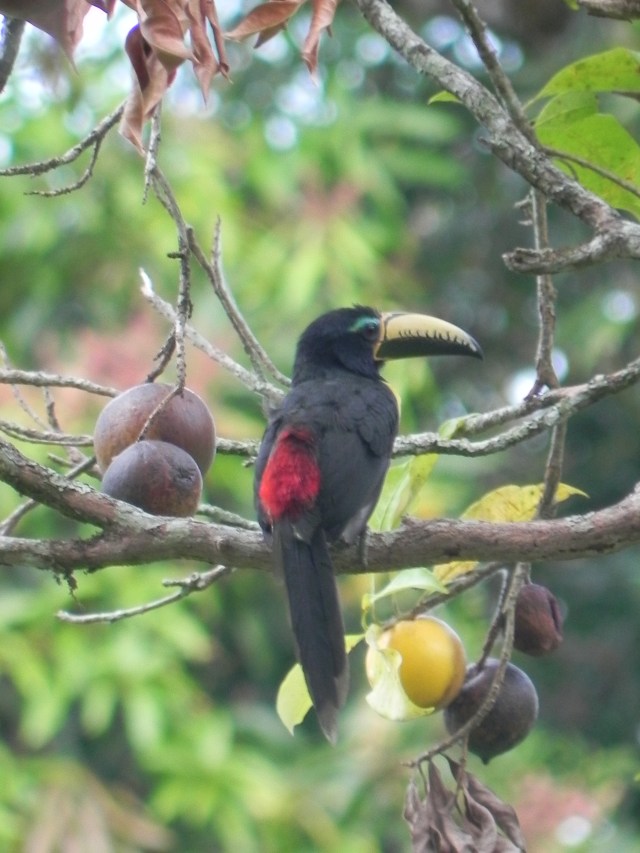
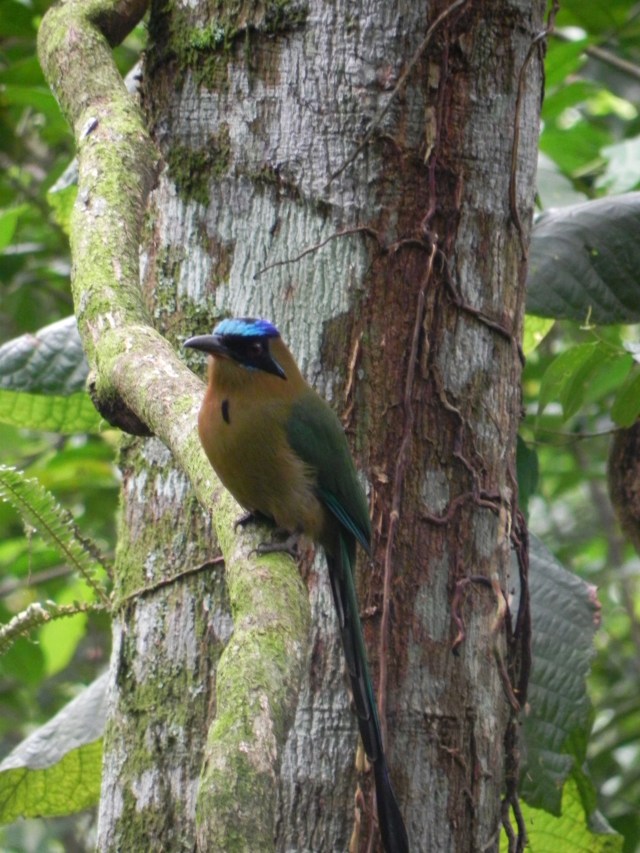
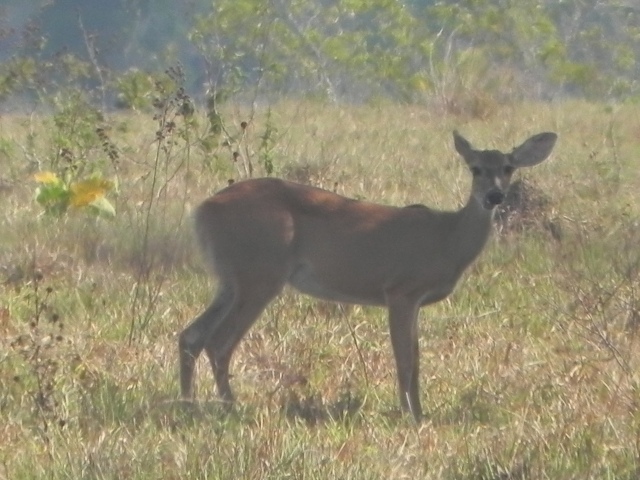
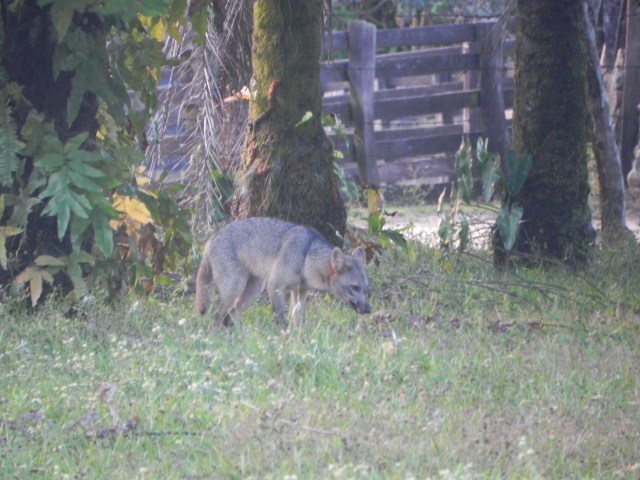
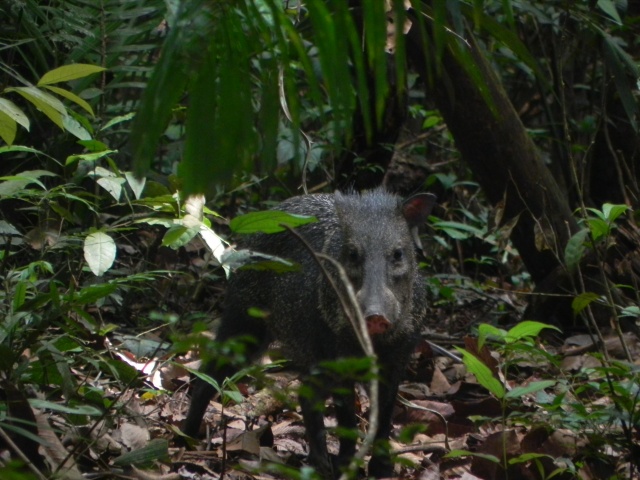
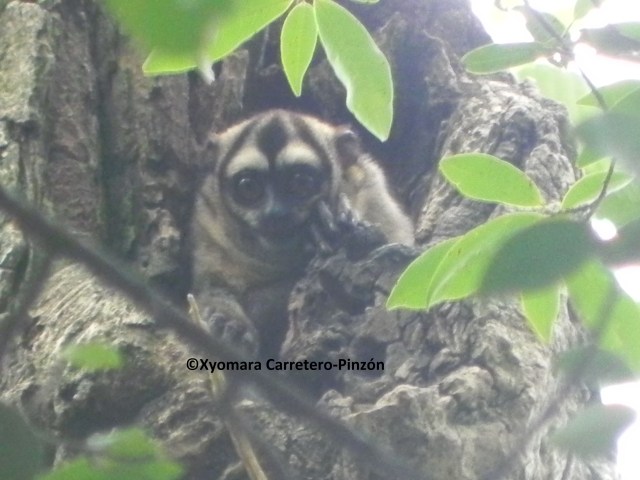
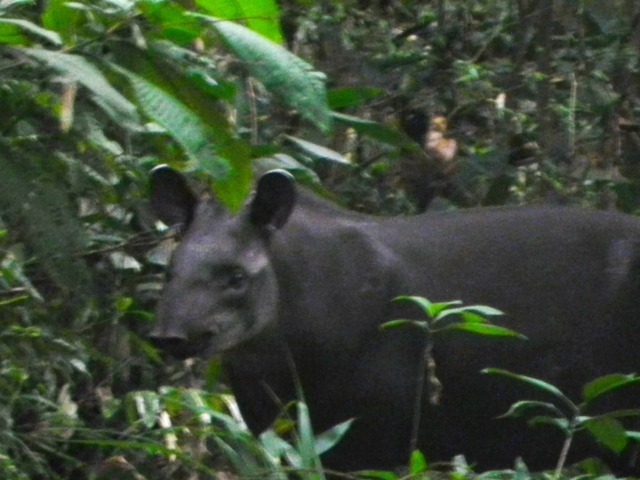
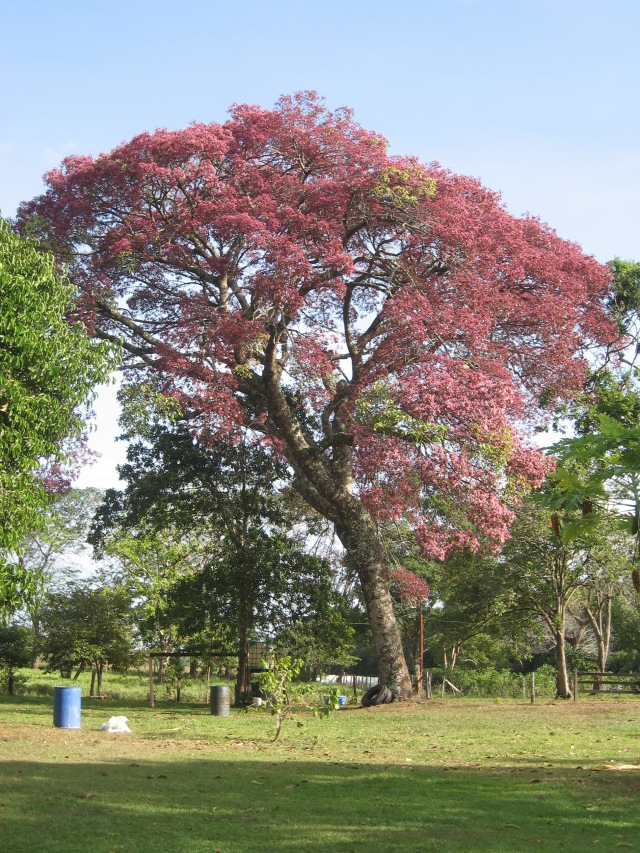
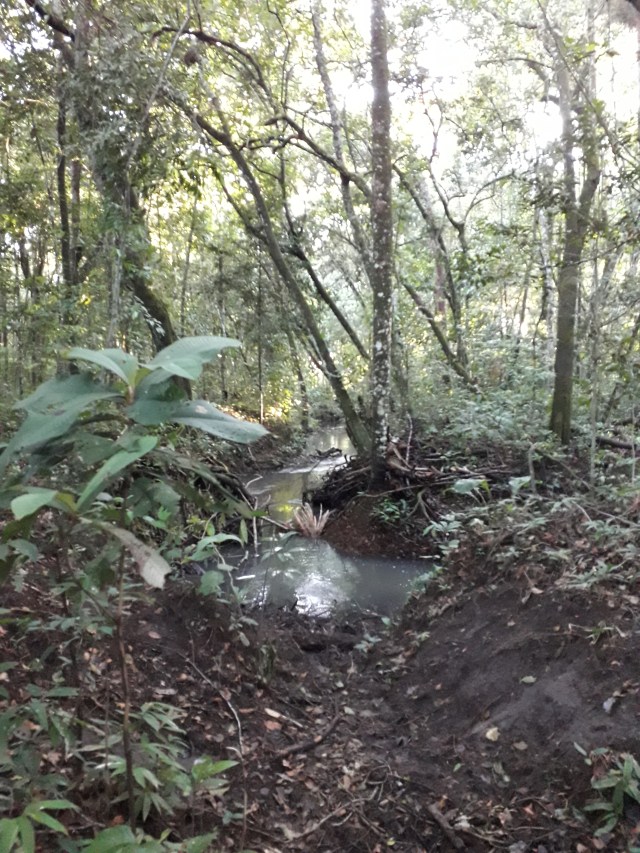
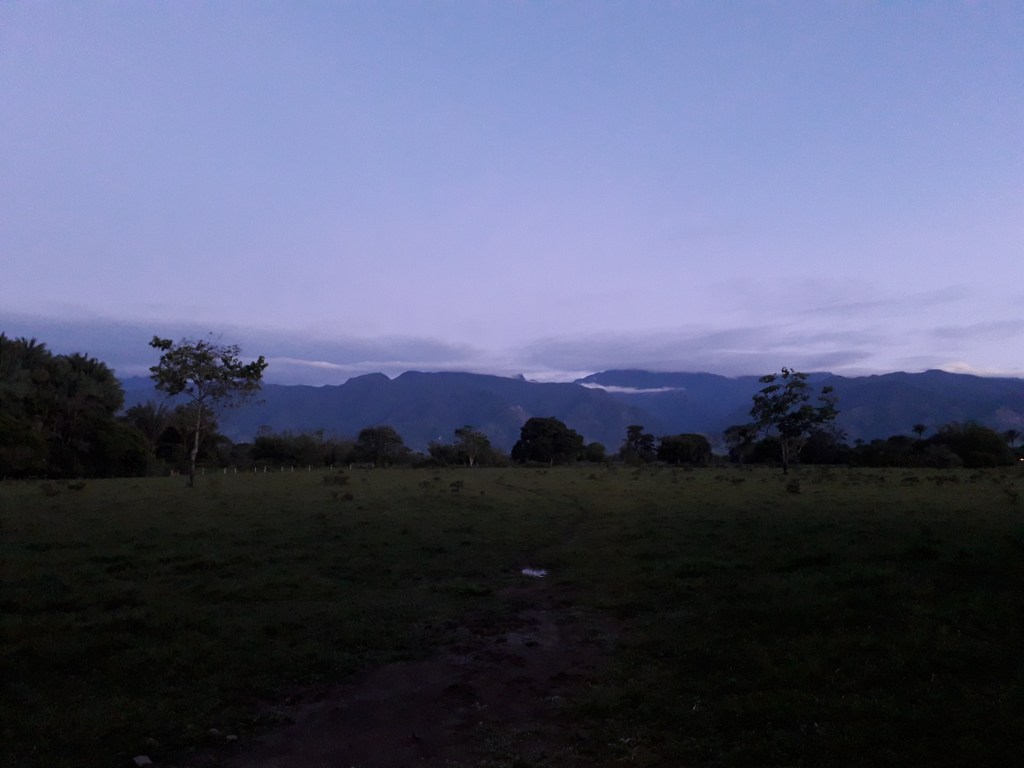
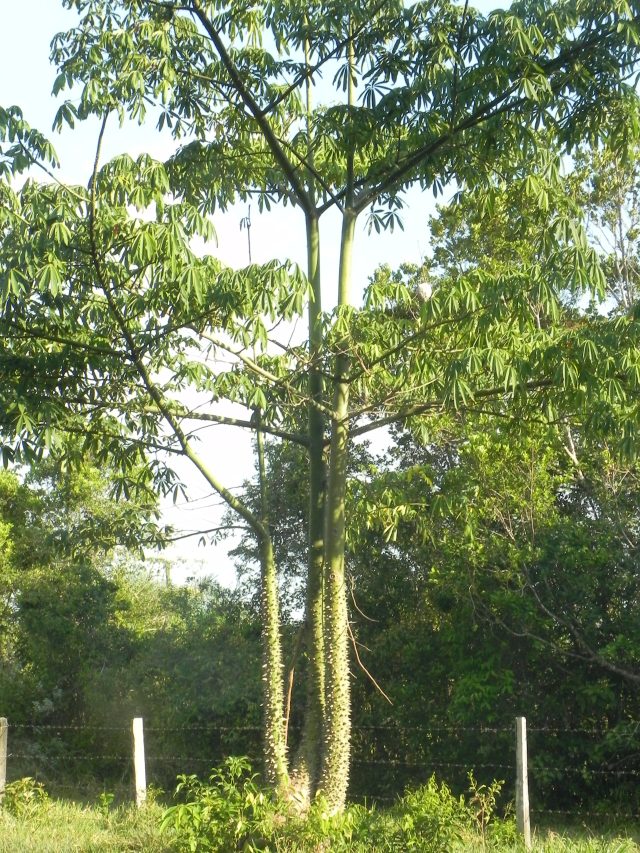
An to celebrate I leave you some pictures of the biodiversity in the study area of this project

© Copyright Disclaimer. All pictures used on this web page are protected with copyrights to Xyomara Carretero-Pinzón. If you want to use any of these pictures, please leave a message on the website. Thank you.

Monkey Forest Tales: Why I leave academy to focus only on research at a local scale?

After doing a doctorate most of us choose a path in academy, usually as a professor in a university. For many years that was also my career path. When I was in the middle of my career as a biology, I had the incredible experience of doing a field semester studying monkeys in Tinigua National Park. It was there that I choose how my future live would look…a university professor with a research project focus in monkeys at my country, Colombia.

Over the years I worker towards that goal, made a master and a doctorate and was lucky enough to start a small research project that growth with time and have allow me to learn about monkey living in a fragmented landscape surrounded by several human activities…

After finishing my doctorate, as well as so many others, I apply for jobs and post doc position that could lead me towards my goal of became a university professor. It was while doing my first and only post doc that I realized that academy wasn’t for me. Pressure and unethical practices of publishing as well as living in a culture that was completely different than mine and in a language that take years to master, lead to make think on my priorities in life and what I wanted for my future. Although it is different for everyone and it’s a decision that only you can make for your own life. Academy system and culture had led many good researchers and me to look for better options outside of universities.

Although I still teach one on one undergraduate students, while I supervise their undergraduate thesis, as well as publishing from time to time. I do not have the pressure of “publish or perish” that academy system promotes so much. And from time to time I saw post doc offers that make think about going back to academy. But the true is that I enjoy helping student without the pressure and publishing only when I want to not because I must. I also can go to the field to see monkeys anytime I want without a schedule and just enjoy the forest and monkeys by what they really are not what they can give me as research subjects. I must admit I miss the dynamic discussion with peers that universities give you…

So, although most of the time Zocay Project runs with limited funds I like the work at a small scale with few farmers and creating small impact on the wildlife in the study area. It becomes challenging and lonely sometimes, but it has been rewarding especially over the past few year when I saw the impact the project had on some of the local people behaviors. So, despite all the changes in my career and the challenges those changes had brought, leaving academy was a good decision for me and my project. So, if you are in a point in your life when you need to make a decision that affect your career path, just make sure you think about what make you happy as well as what kind of impact you want your life make. Good luck!

© Copyright Disclaimer. All pictures used on this web page are protected with copyrights to Xyomara Carretero-Pinzón. If you want to use any of these pictures, please leave a message on the website. Thank you.
Monkey Forest Tales: How to choose a journal for publishing your data?

In our last post we talk about the challenges of analyzing and writing from our data. The next step is to decide where are you going to publish your findings. Although this step usually you need to start thinking about it before your actually write your paper. Because the way you write depends on the audience you want to address and that matters when you choose the journal too.

Most journal audiences are driven to a certain journal depending on the scope and sometimes specificity of the journal. I used to think that because I was working with primates the only journals I will be able to publish on were primatological journals, but that is not true. It all depends on the way you write, the audience you want to reach and the applicability of your research to other fields.

So if you are starting on this publishing path of academy, one of the things you need to start thinking when you are choosing in which journal you want to publish your data is to define the type of audience you are publishing for. Is your data only applicable to primates or can be something that applies to other group of animals?

Also, is your data applied for a specialized type of audience or can be for a wider audience. What is your preference for a journal?  In which language you want to publish? The language is an important consideration, especially for those of us who doesn’t have English as our native language. It can imply an additional cost to publishing your results if you need to use a translator or a proof editor before you submit your paper.

Another consideration that a lot of us doesn’t think about much is the cost of publishing. A lot of journals in science have a fee that need to be paid if you want to publish a paper in those journals. Also some journal have fees for figures in color and if your figure is important to be publish it in color, taht is a cost you have to consider. This is usually a constraint for most researchers in developing countries which not only make research with limited funds, but also never have money allocated to publishing papers.

As you see, there are many considerations when you are choosing were to publish your paper. With time you get better at writing for different audiences, although I found it is usually challenging to do so. Also, with time you get better at writing in English as your second or third language. As usual my better advice is to be patience, ask yourself or your advisor about the audience of the journal you want to publish on and be persistent during the process that usually is long and sometimes requires more time than you expected. Good luck with your future publications.

© Copyright Disclaimer. All pictures used on this web page are protected with copyrights to Xyomara Carretero-Pinzón. If you want to use any of these pictures, please leave a message on the website. Thank you.

Monkey Forest Tales: What is next after fieldwork: analysis and writing

One of the topics that, in my experience, most of the undergraduate students are afraid of and enjoy less is what we all need to do as scientist after a nice and sometimes long fieldwork…analysis and writing of those field data. I must confess than even for me is one of the parts of doing science that I find more challenging.

After sometimes a long fieldwork collecting interesting data on monkeys, in my case, one tedious part that follows is to put all that information in a spreadsheet which facilitate its analysis. Over the years each of us develop our own method to tabulate and introduce that information, however, is not easy to learn how to do it and because we all think differently each one develops their own method. In my case I found that is easier for me if I have only one spreadsheet with multiple columns that later I can filter to extract the specific information I want to analyze for answering a specific question. For others is just introducing only the information to answer that specific question and letting the other information stay in the field notebooks.

My primatological education is old school, this means I was taught to write down almost everything that happened in the field when following monkeys. Therefore, data tabulation means a lot of detailed data. Most of the researchers today just collect data related to their specific question without paying much attention to other information and behaviors that sometimes are rare and only occasionally seen.

After tabulation of all the field data follows the analysis of that data, another challenging part of the process that is not always easy for students and in the past also for me. My analytical skills only improved over time and still learning new ways of analyzing my data. So, if you are starting don’t worry you will improve with time, a lot of reading and practice.

Writing is the last part of the scientific process, to present and explain your findings. This is also another challenging part, especially if you are doing it not in your native language. Again, this is a skill you improve with time, a lot of reading and practice. Same as for novelist writers the best advice you can receive to improve your writing is to read, read a lot and don’t be afraid to show your writing to others before you submit your article. Sometimes when you are too focus on your science you forget how to explain to others in a clear and concise language.

For all those students and early career researcher like me, the only advice I can give is to be patience with your self and as some very wise researcher once told me it will never be perfect by 80 % is always better than nothing. Keep researching and keep writing. It is a continuous learning process for all of us in science.

© Copyright Disclaimer. All pictures used on this web page are protected with copyrights to Xyomara Carretero-Pinzón. If you want to use any of these pictures, please leave a message on the website. Thank you.
Monkey Forest Tales: Lessons from collaborating and sharing with people in the study area

Over the years at the study site, I had the opportunity to share and collaborate with many researchers, visitors, students and volunteers. These interactions had always left some lessons for me, the project and my way of supervising students. In today’s post I will like to share some of those lessons to people thinking to start a new project.
Working with people have multiple stages and factor influencing. On one hand you have your interactions with local people, which is dynamic and changes over time, depending on cultural believes and sometimes your gender. With students, colleagues, visitors and volunteers your interactions are also dynamic and sometimes challenging. Although I had in general very good students, some of them have been more challenging than others, not only because of their different priorities in life, but also because is not easy for all to write an undergraduate thesis. We all have different strengths and weakness…
Collaborations are also complex, especially if you don’t establish clear roles and responsibilities from the beginning, this is particularly difficult at the beginning of any project when you are not sure for how long the project will last and how much you can actually do. Visitors and volunteers interactions are also dynamic due to different backgrounds and cultures, especially when you receive foreigners.
From all these interactions over the years and other experiences I had working with other projects and institutions, there are some lessons that I want to share, especially with hose of you who want or are starting a new project in the field:
• Probably the most important lesson I learned and this applied with everyone, is to establish clear rules from the beginning, not only about the behavior in the study area and treatment with the local people (especially if you need to have some security issues in mind). But also, about the data collection, data analysis and data publishing (especially with students and colleagues) so you won’t have any problems later. Make clear rules and define as clearer as possible all responsibilities, roles and how to solve any disagreements to avoid problems.
• Listen and share your experiences. This not only enrich your live but also change any preconceptions you may have about how people from other backgrounds and cultures are.
• Be flexible. Although it is not always possible in certain situations. Being flexible with you and others working with you always will make our life easier, especially in the field.
• Be patience. This is a skill that I continuously try to cultivate as it is not in my nature, but it is extremely important when working with monkeys and people. You also need to exercise this skill with yourself as not always you will have the time and resources to do all that you want to do for your project.
• Be persistent. There will always be problems to solve and challenges to overcome. And sometimes you could think that you have no more energy to continue your project, but as with everything in life the things that are important to us are the one in which we need to persist to make them happen.
Hope these lessons can help you in your future projects and if you ever want to share or talk about those challenges, please feel free to contact me. I found that usually sharing those struggles help us found the energy and solutions that are elusive to us…
© Copyright Disclaimer. All pictures used on this web page are protected with copyrights to Xyomara Carretero-Pinzón. If you want to use any of these pictures, please leave a message on the website. Thank you.
Monkey Forest Tales: How to star to start samplings in a new field site?

Finca El Silencio, Cumaral, Meta, Colombia

During the last week I was talking with the owners in a new farm (El Silencio, for more info here) to start doing some new samplings focus on Brumback’s night monkeys. While there some students approach me and ask about what it is need it to start samplings in a new field site.

A lot of the logistics depends on the type of question you will try to answer, the animals of study, amount of time you require to answer your question and the type of field site you are going to sample. For example, places with continuous forest inside of national parks, will require several months of permit arrangements as well as travel arrangements as most of these areas are far from central areas or near to cities, at least most national parks in Colombia.

Areas like the Zocay Project where samplings are in private farms, also requires some planning in terms of logistics for traveling, accommodation and food. But mainly it will require a previous visit to know the place and see if it is suitable for your study as well as to know and personally talk with the landowner and sometimes farms workers, depending on the question.

But, probably the most important part, especially if you want to sample for long term is to talk with the landowners about the objectives of your project as well as talk about the expectations that they may have about you work and how that can benefit them and their farm. Additionally, to be honest about your project aims and how you are going to use the information, it is important that you build trust with the landowner, workers and local people in general. Trust can be challenging to build depending on the are and the history of that area, but if you go constantly to the area, talk and listen to the people and treat them with the same respect that you want to be treat it, you not only will build trust but a long time friendship that benefit both.

It is important to understand from the beginning the kind of project you want to do. In the case of Zocay Project as the main objective is to monitor monkey populations in the long term, it means for several years, and as monkeys usually live more than 20 years, you have to have this time frame in mind if that is the purpose of your project. Initially Zocay project was conceived as a short- term density project of 6 months, but the interest and willingness of the landowners and the trust we built together had allowed this project to last 16 years in the farm in which it was start it

Zocay Project had included different farms in different years depending on the willingness of landowners and resources with some years in which we have survey new farms for short periods of time while other had been surveys for several years. Both cases had produced important data used to understand the monkeys population dynamics in fragmented areas of the piedmont of Colombian Llanos.

So, if you want to include a new field site in  you project or just start a project in a new area, the most important part is to build trust with the people you are going to work nearby and be aware of the logistic, history of the area and questions you want to answer and a lot of patience…

© Copyright Disclaimer. All pictures used on this web page are protected with copyrights to Xyomara Carretero-Pinzón. If you want to use any of these pictures, please leave a message on the website. Thank you.

Monkey Forest Tales: What is the difference of working with monkeys in the field and laboratory

Another question that sometimes students ask me is how different is to work with monkeys in the field and in laboratories. In this matter my experience is more limited as most of my experience is with monkeys in the field. However, I have done research in which we collected samples in the field from wild monkeys to analyzed in the laboratory. So I will talk about this can of projects on this post.

When you combine fieldwork and laboratory to answer questions about nutrition or genetics, you have to be prepare to work in the field collecting samples, unless you have other people collecting those samples for you, and you also have to prepare and have access to the equipment and supplies for your laboratory analysis. Both implies to be aware of the logistics for both environments as well as to check you have all the materials you need to collect and process the samples.

In the project I worked that involved both field and laboratory work, most of the differences were related to the environment conditions for both places. During fieldwork we needed to be aware of weather conditions as I was working in a temperate zone with high seasonal changes in temperature, as well as be aware of having with me all the materials we need to collect the samples and preserve them until they reach the laboratory.

Collecting the samples were challenging due to the rough terrain an it requires a close observation of the monkeys as we were collecting fecal samples. So we need to be patience, observe careful and be ready to collect the samples. As we were collecting samples from japanese macaque, samples were mostly on the ground, but people collecting samples from other primates that move mostly on canopy’s trees have to be more creative and observant to be able to collect those samples. For the purpose of that project we need samples freeze until processing the samples, therefore we have to make sure we have a freeze available in the field site or to have ice to maintain the samples in the correct temperature until it reached the laboratory.

Laboratory work also requires to pay attention to different steps in detail to have access to equipment and supplies for all the analysis. As I was working on a different country and in a different language, most of the challenges from that project rise from cultural and language barriers.

So as you see working in different environments requires that you became adaptable to those environments but also to be patience and persistent.

© Copyright Disclaimer. All pictures used on this web page are protected with copyrights to Xyomara Carretero-Pinzón. If you want to use any of these pictures, please leave a message on the website. Thank you.
Monkey Forest Tales: What is the difference of working with monkeys between fragmented and continuous forest

Sometimes when talking with students there are questions about how different is to work with monkeys in different types of forest, how different is to work in a fragmented area versus a continuous forest. Today’s post is about this topic from my personal perspective.

When I started working with monkeys, I did it in a continuous forest, but when I started Zocay Project, monkeys were in a fragmented area. Continuous forest usually have higher canopies than fragmented areas and the canopy is more dense and continue. Therefore, monkeys have more places to hide and if they are scared they can climb higher too.

Terrain conditions in fragmented and continuous forest can be rough, with small hills and swamp areas to walk in, so they can both be challenging sometimes depending on were they are located.

Along the Amazon river, at least in the border area between Colombia, Brazil and Peru, forest can be different depending on the season. For example during rainy season when the river water is high and the forest along the river is flooded. Following monkeys can be difficult and usually you will need a small canoe to follow them. By those same monkeys can be followed by walking when is the dry season and the river water is low.

Usually when working with monkeys in continuous forest you work inside or nearby to indigenous communities so you usually also work with some of the hunters in those communities that helps you as local guides to help you find the monkeys you are studying.

When working in fragmented areas, you follow monkeys in forest fragments surrounded by people (peasant, indigenous, farmers, etc.), therefore, you also have to work with people from different education and interests that may or may not like the monkeys you are working with.

Forest fragments can have thick areas difficult to access, but good for monkeys to hide, so despite of forest fragment sizes, sometimes monkeys are difficult to find. Also working in fragmented areas means that you have to work sometimes closer to roads or near to crops and other activities that make the monkeys more nervous and difficult to follow.

So as you see working in continuous and fragmented forest have some challenges depending on the terrain as well as how much people is nearby. Both are rewarding once you manage to habituate the group of monkeys you want to follow or just every time you see them. And on both the most important thing to have in mind is to be persistent and patience with yourself.

© Copyright Disclaimer. All pictures used on this web page are protected with copyrights to Xyomara Carretero-Pinzón. If you want to use any of these pictures, please leave a message on the website. Thank you.
Monkey Forest Tales: When monkeys appear?

Today we are going to talk about when monkeys appear in this world and what we know about the first monkeys who live in our planet. If you remember your biology class, you probably remember a little about evolution, which is the theory explaining how animals evolve from just one cell to organisms as complex as us. This theory proposed that at some point we have a common ancestor with all primates (for more information about what we call a primate, see here).

Well, that first primates were a diverse group of mammals, some were the size of a mouse while others were more like a fox size mammals,  originated during the Eocene period (54- 34 million years). With diurnal and nocturnal habits, mainly eating insects and fruits, the larger ones probably eating leaves too. Some use quadrupedal movements and others were specialized for leaping.

Fossils from those early primates are known from Europe, North Africa and Asia which had a tropical climates during that period. There is not an only answer of how primates reached South America, but the first records are from the Oligocene, 34-23 millions of years. It seems primates reached South America by rafting from Africa or North America, with the oldest fossil from at least 30 million years.

During Pliocene period primates diversify across all continents. Most fossil vrecords of monkeys from South America came from the Miocene period in different localities of Bolivia, Argentina, Chile, Colombia, Brazil and the Caribbean. Most modern monkeys of South and Central America seems to be originated during late Miocene, around 12 – 13 millions of years. Those fossils came from a location closer to the Amazon Basin, in La Venta. Most of these fossils are similar to squirrel monkey, tamarins, sakis, howlers and nocturnal monkeys.

During Pleistocene, monkeys in South America retrieve to some refugees due to climate changes that reduced forest cover. After that, when forest refugees expanded, some populations of some species had diversify so much that became different species, like the ones present today.

Species in the study areas all seems to have been diversify from species from the Amazon region, who dispersed north towards the more fragmented gallery forest of the Llanos, according to molecular data.

Defler, T.R. 2004. Primates of Colombia. Conservation International, tropical field guide series.

Fleagle, J.G. 1999. Primates adaptation and evolution. Academic Press.

Strier, K.B. 2007. Primates Behavioral Ecology. Pearson Education, Inc.

© Copyright Disclaimer. All pictures used on this web page are protected with copyrights to Xyomara Carretero-Pinzón. If you want to use any of these pictures, please leave a message on the website. Thank you.

Monkey Forest Tales: Challenges of doing ecological and behavioral studies with monkeys in the field?

A couple of weeks ago we talk about what are the challenges of counting monkeys, in today’s post we are going to talk about a similar subject, what are the challenges of doing ecological and behavioral studies.

Doing ecological and behavioral studies with monkeys usually implies that you have to follow one or more groups of monkeys to answer your question and that is not always easy, especially in wild habitats. This kind of studies usually have an initial part of habituation of the monkey group you are going to follow and depending on the species the time to reach habituation can be different. Other factors influencing the habituation process are the context in which the monkeys live.

For example, areas were hunting is high can make monkeys more scared and difficult to habituate, an probably not always wise to habituate them if that will means the animals will lost their fear to a potential predator, us.

Also, if you are habituating a group of monkeys in fragmented areas, monkeys are usually more nervous because of domestic dogs, cars and humans and those factors can make the habituation process longer than expected.

Habituation also implies spending long days with the monkeys to earn their trust, this also means long walks looking for that group you want to study and it also implies all the discomfort that comes with working in a tropical forest.

After habituation, you actually need to follow the monkeys and depending on the question, you will need to follow the group for several days from sunrise to sunset for several days. Just remember to standardized the time you spend with the group every month so you will be able make comparisons between months. And enjoy the time monkeys share with you.

And the last part of the process is actually analyze the data you collect when following those monkeys and answering the question you propose at the beginning of your study. And Finally and something that most of us in science use to pursue publish the results of your study.

Something I will like to remember from all those challenges is to be persistent despite the hard work and difficult conditions and remember to enjoy the time with the monkeys. Since is fun despite the challenges and in some ways it is also a privilege that not many people have as we can spend time looking at some of the most amazing and intelligent animals on earth.

© Copyright Disclaimer. All pictures used on this web page are protected with copyrights to Xyomara Carretero-Pinzón. If you want to use any of these pictures, please leave a message on the website. Thank you