
Monkey Forest Tales: Some thoughts about academia

A few months ago, while I was talking with some students about publications and academy in general. I don’t remember thinking too much about this while I was studying, except by a few specific advice that one professor give me. I’m not so sure how much people ask about this because I had not been in an academic environment for a couple of years as my jobs are mainly outside of universities. However, it seems that it is not so clear for some of the young biologist, at least in Colombia. Each country probably has some variations of the following main points if you want to work in academy. The main objective is to work in a university as a professor. For this, in today’s world, one of the main requirements is to have at least a master, although in most universities today a doctorate is necessary. A second and probably the most important one in this academic system is to publish your work. You can start doing this before you finish your bachelor by working in a research laboratory or with one of your favorite professors from your career. Be proactive, ask questions, participate in their research activities and read a lot about your favorite topic or your favorite organism.Participate in conferences, start with the ones that are in your country or region and present your own research. Then, participate in Latin-American or international congresses focused on the topic of your interest. While in those conferences, participate in workshops, courses and do networking (talk with others about your research). I have to admit this last one (networking) is not my favorite and I’m probably not that go at it. It had costed me a lot of effort, its never easy for me to talk with new people, but it is really important in academy.Collaborate, this one also has cost me some effort, hopefully I’m becoming better at this. Talk with other about collaborations and share ideas to combine your data and expertise with others. Volunteer in research project, this will give you experience in topics of your interest with less money investment, at least in some projects.All these things cost money, something that probably make this difficult for most people in Global South. However, there are grants that cover most of this, look for them, take the time to search and read all the requirements and if you had at least one publication, grants become more and more feasible for you. Look for grants in universities’ websites as well as in government official sites. Most of the big conferences had grants to travel and present your research, look for them! Apply to as many as you can.One final advice, make sure you learn English, yes despite if you like it or not science is still done in English and in many countries (with or without English as their main language) English is the language to apply for many grants and fellowships. There are grants that include some months to learn the local language, so that should not be and excuse to apply. And if you don’t get it in your first try, apply again. I must wait 10 years to get a grant to make my doctorate and there were many rejections before that. So, if you really want to make your career in academy, be persistent and apply to as many grants as you can and publish good science as much as you can.If you want to support our activities, please visit https://fineartamerica.com/art/xyomara+carretero or get in contact with us at xcarretero@gmail.com if you want to collaborate, donate or volunteer in our activities. You can also support our activities by buying our ornate titimonkeys stuff dolls https://www.instagram.com/p/Ctm_sEORvk8/?igshid=MzRlODBiNWFlZA== and our new journals in Amazon https://www.amazon.com/X-Carretero/dp/B0CWD1DBJM/ref=mp_s_a_1_1?© Copyright Disclaimer. All pictures used on this web page are protected with copyrights to Xyomara Carretero-Pinzón. If you want to use any of these pictures, please leave a message on the website.
Monkey Forest Tales: Dangers of provisioning monkeys in urban settings

In today’s post we like to discuss all the additional dangers that provisioning monkeys in urban settings carry to both human and monkeys. Deforestation rates on monkey distribution ranges are increasing rapidly with numerous species getting in close contact with human populations in rural and urban areas. In urban areas, that close proximity to monkey’s populations carries out many dangers to both monkeys and humans. Additionally, some structures like energy transformers and electric cables as well as roads increase monkey’s challenges in an already resource limited environment. But what are the dangers of provisioning monkeys. In some initial monkey’s studies provisioning monkeys with a food source was used to get monkeys closer to observe behaviors. However, when monkeys get used to be feed by humans and lost their natural fear and untrust to humans, they came closer to humans allowing direct contact. This contact can be dangerous to both in terms of disease and germen transmission between both. We already know that many monkey species are susceptible to respiratory and digestive human diseases from studies done in captivity.Another danger of provisioning monkeys is their use of lower structures that make them an easier target to domestic dog’s attacks. The use of lower structures and the ground increase their risk to road killings as they sometimes even use moving car roofs as support structures to pass from food trees in some cities. Although there is poor information in most areas about the numbers of domestic dog’s attacks and road kills in urban and rural areas, this is threat that is increasing more due to urbanizations and deforestation of many areas in Colombia.Provisioning monkeys also change monkey’s natural behavior increasing conflict situations between monkeys and human as they enter to stores and houses to steal food and can cause panic and even cause bite incidents. Although there are reports of this incident in some parts around the world, we also don’t know much about its frequency. Retaliations from people affected are sometimes reported. In our study are close to San Martín town we heard of at least one group of Colombian squirrel monkey poisoned because they were entering houses to steal food.This close encounters also propitiate situations in which monkeys can bite people trying to feed them. This is especially true when old people, kids and nervous people are involved as they can control their emotions and movements scaring them and causing injuries to humans and monkeys alike.Finally, provisioning monkeys can impact their health and nutrition, although we still don’t know in which extent as very few information is available of what can produce a high consumption of bananas and other human food with high content of sugar in monkey’s bodies. I understand the excitement and wishes of people having a picture with monkeys close to them and even on their shoulders, however what most people forget is that even if they live inside a city, they are still wild animals that cannot be predicted and can change their behavior without any advice. Also, if you really like animals the best way in which you can demonstrate your love for them is by not putting them (and yourself) at risk of any dangers. Just enjoy looking at them wherever you observe them and try to conserve their natural habitat and make pressure on your local authorities to implement conservation and management actions to protect forest and animals living in it inside cities.

If you want to support our activities, please visit https://fineartamerica.com/art/xyomara+carretero or get in contact with us at xcarretero@gmail.com if you want to collaborate, donate or volunteer in our activities. You can also support our activities by buying our ornate titimonkeys stuff dolls https://www.instagram.com/p/Ctm_sEORvk8/?igshid=MzRlODBiNWFlZA== and our new journals in Amazon https://www.amazon.com/X-Carretero/dp/B0CWD1DBJM/ref=mp_s_a_1_1?© Copyright Disclaimer. All pictures used on this web page are protected with copyrights to Xyomara Carretero-Pinzón. If you want to use any of these pictures, please leave a message on the website.
Monkeys Forest Tales: Celebrating Biodiversity International Day

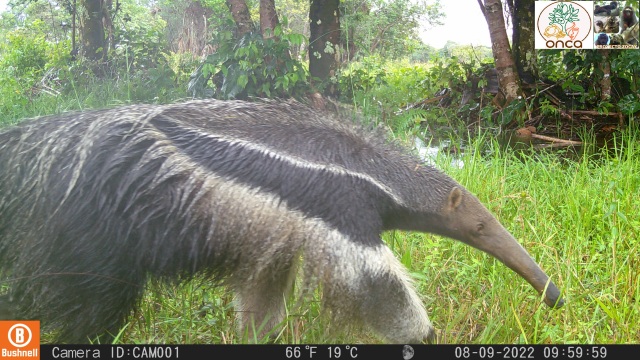
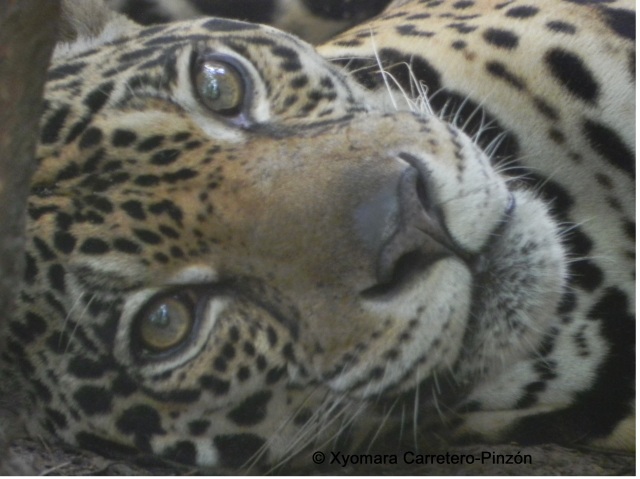
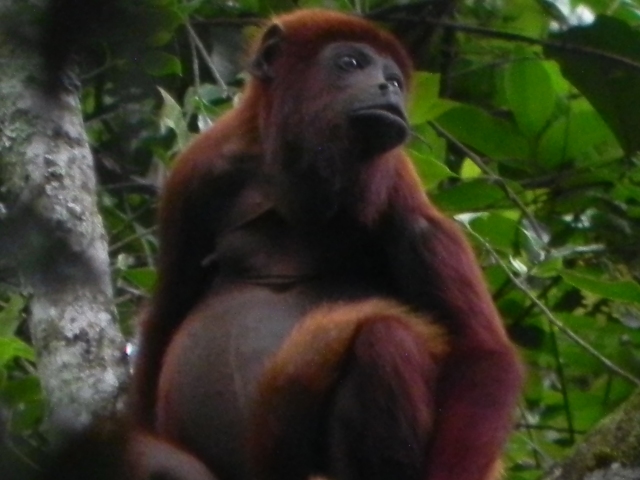
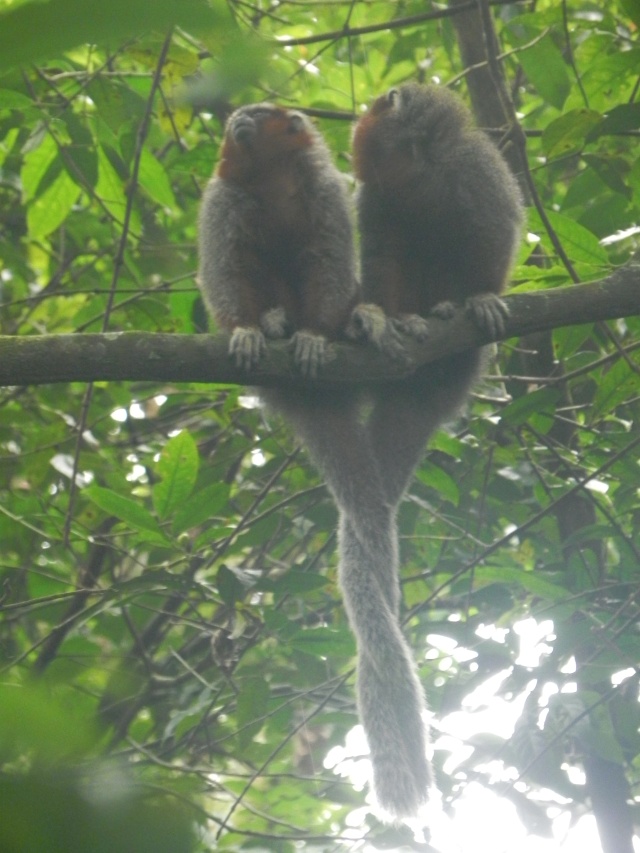
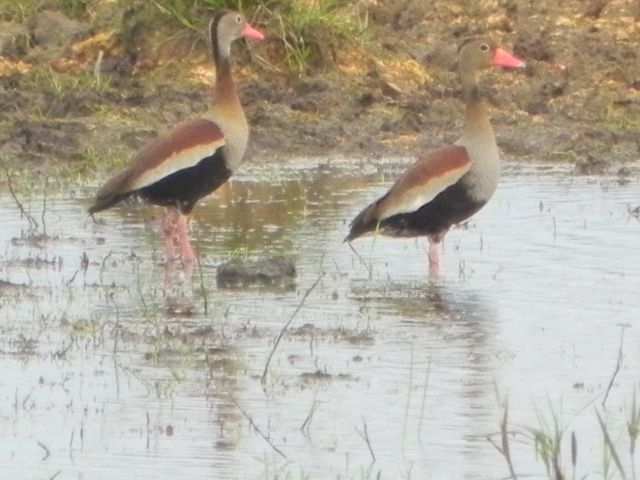
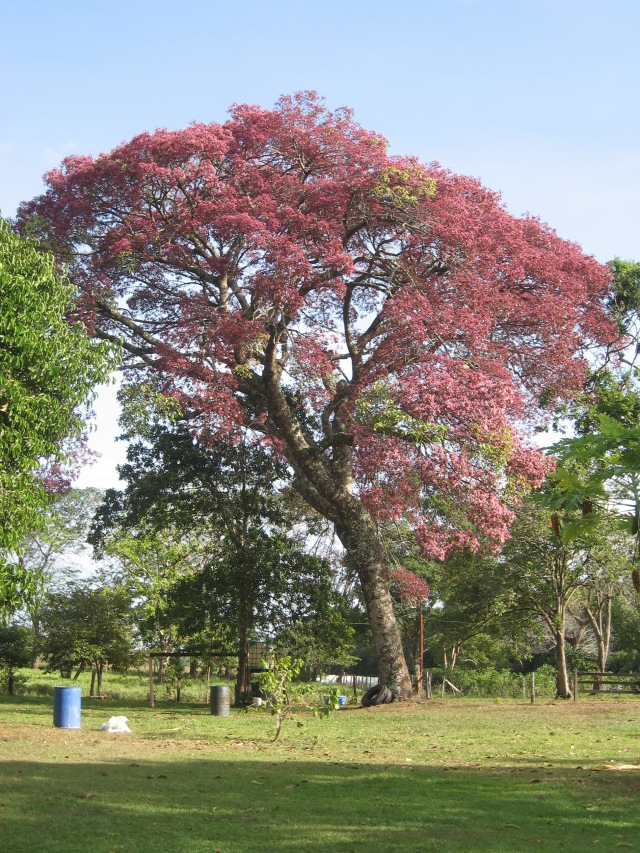
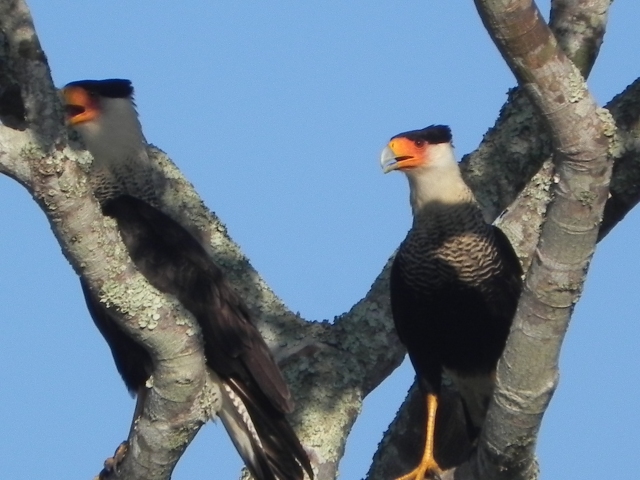
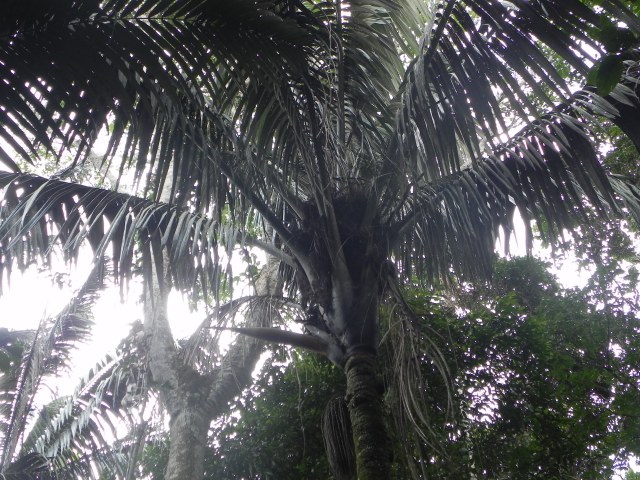
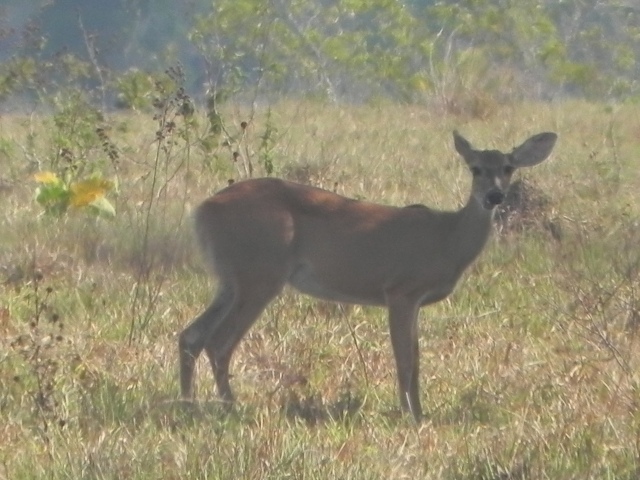
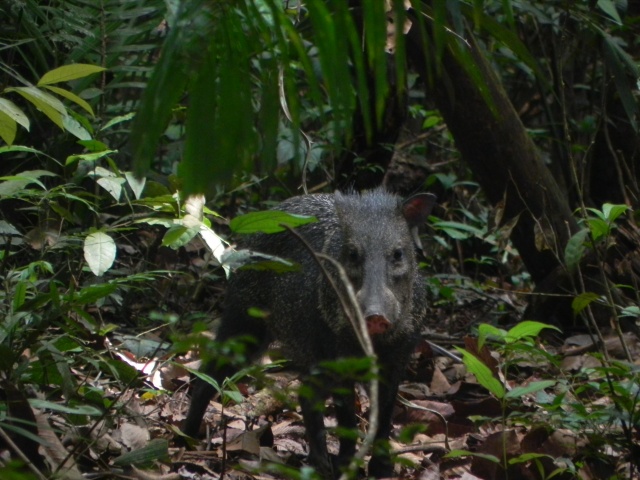
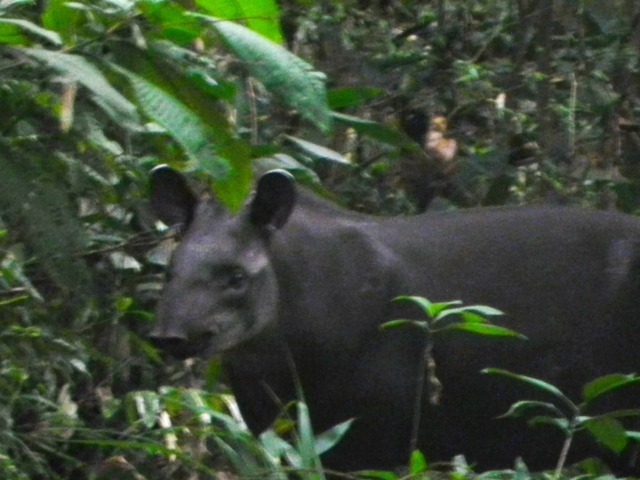
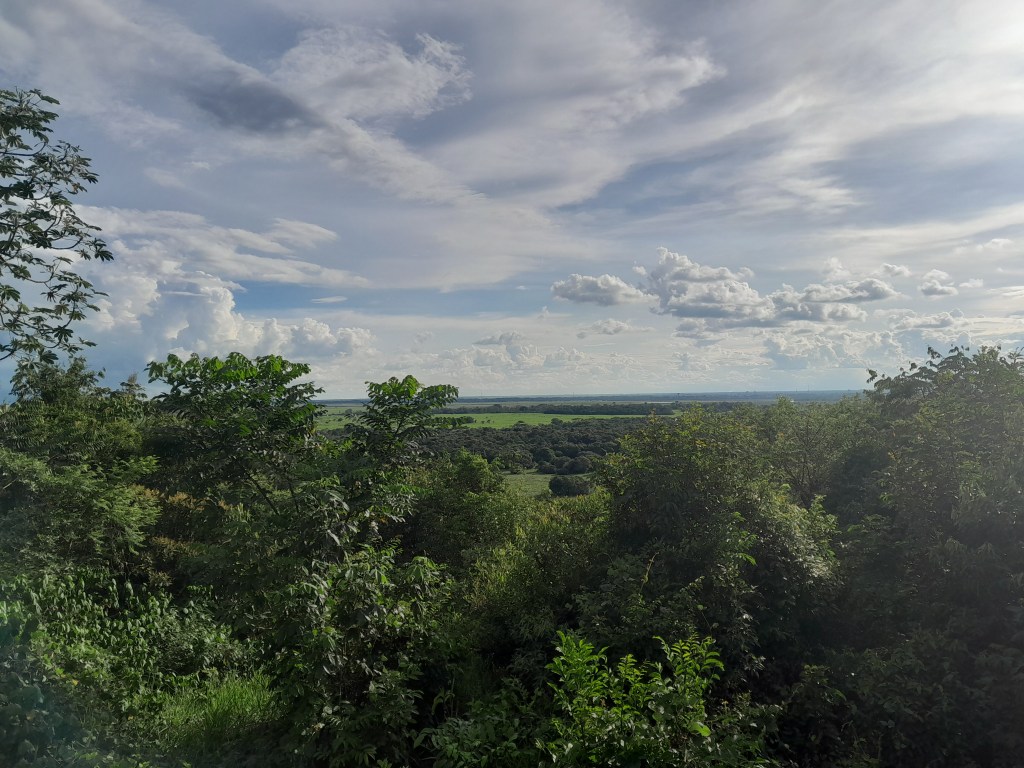
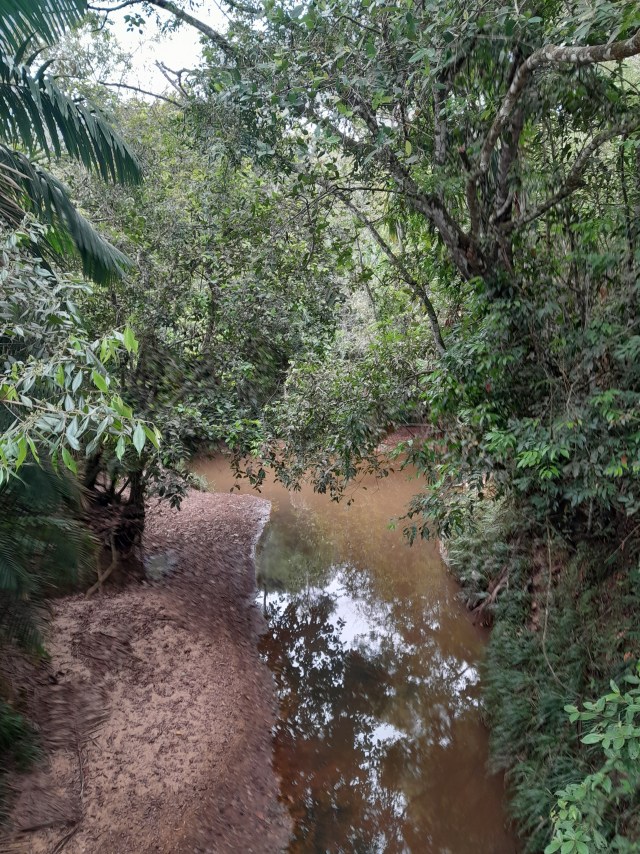
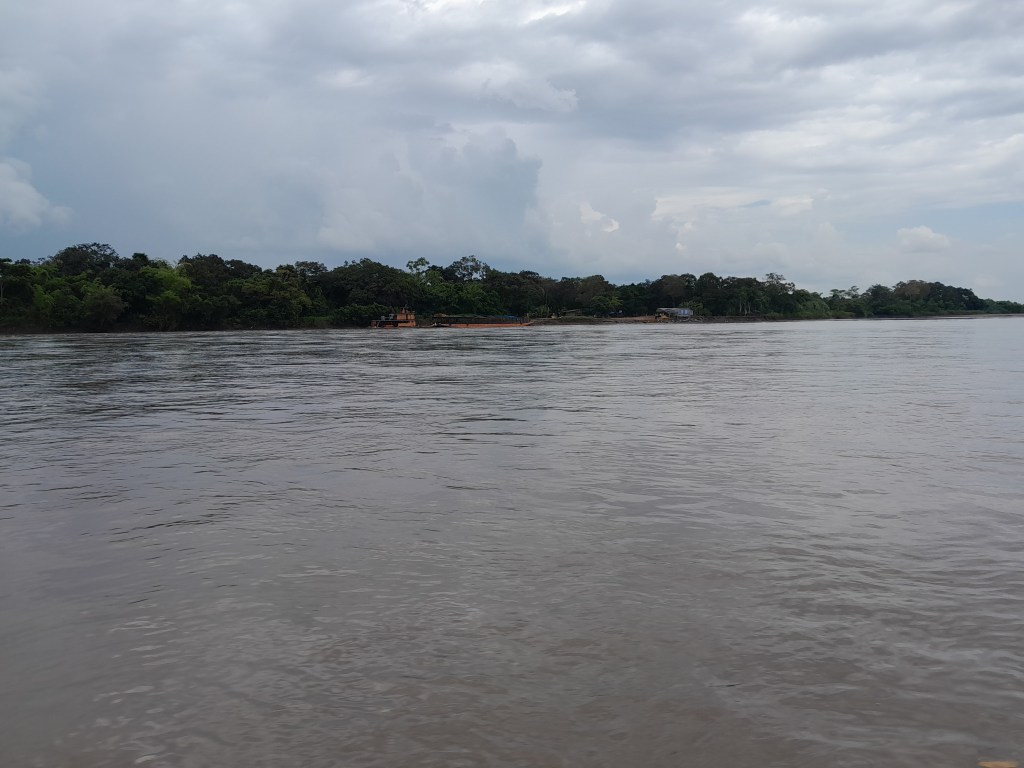
In today’s post we want to celebrate Biodiversity International Day by celebrating biodiversity in our field site area where fauna and flora from natural savannas, gallery forest, Mauritia flexuosa swamps and lowland relict forest meet and survive surrounded by introduced pastures, palm oil plantations and annual crops. This is an area of contrast where you can find different habitats immersed in highly transformed landscapes where cattle ranching, agriculture from small and large scale, petrol exploitation and infrastructure are all together. Despite this contrasting activities, there is a rich biodiversity still surviving in these areas of degraded habitats, including wild cats such as ocelots, jaguars and pumas as well as their preys (tapirs, collared peccaries and coatis) and other small-sized mammals such as crab-eating raccoons, tayras and small marsupials. A wide diversity of birds, butterflies, bees, frogs, snakes and ants. Giant ant-eaters and tamanduas with their high specialization to eat ants and termites. An incredible diversity of plants including several species of palms (in some forest fragments with at least 10 species) and species typical of interior and edge habitats. And of course, our main focus of study, primates with five species: red howler monkeys, black-capped capuchins, Colombian squirrel monkey, ornate titi monkey and Brumback night monkeys.This is a place where despite of centuries of transformation, native fauna ad flora shows resilience and give us hope of a better future for the planet and our own survivorship. An area with a long history and vibrant gastronomy. A place where animals, especially monkeys teach you about second opportunities, persistence and resilience. A place to celebrate biodiversity of a country where still nature is considered as something useful only if it can benefit human purposes and not just the right to be there and exist.Let’s celebrate our biodiversity resilience to face changes provoked by our activities and lack of respect for the wonderful creatures that share our planet…If you want to support our activities, please visit https://fineartamerica.com/art/xyomara+carretero or get in contact with us at xcarretero@gmail.com if you want to collaborate, donate or volunteer in our activities. You can also support our activities by buying our ornate titimonkeys stuff dolls https://www.instagram.com/p/Ctm_sEORvk8/?igshid=MzRlODBiNWFlZA== and our new journals in Amazon https://www.amazon.com/X-Carretero/dp/B0CWD1DBJM/ref=mp_s_a_1_1?© Copyright Disclaimer. All pictures used on this web page are protected with copyrights to Xyomara Carretero-Pinzón. If you want to use any of these pictures, please leave a message on the website.
Monkey Forest Tales: Let’s celebrate Mother’s Day

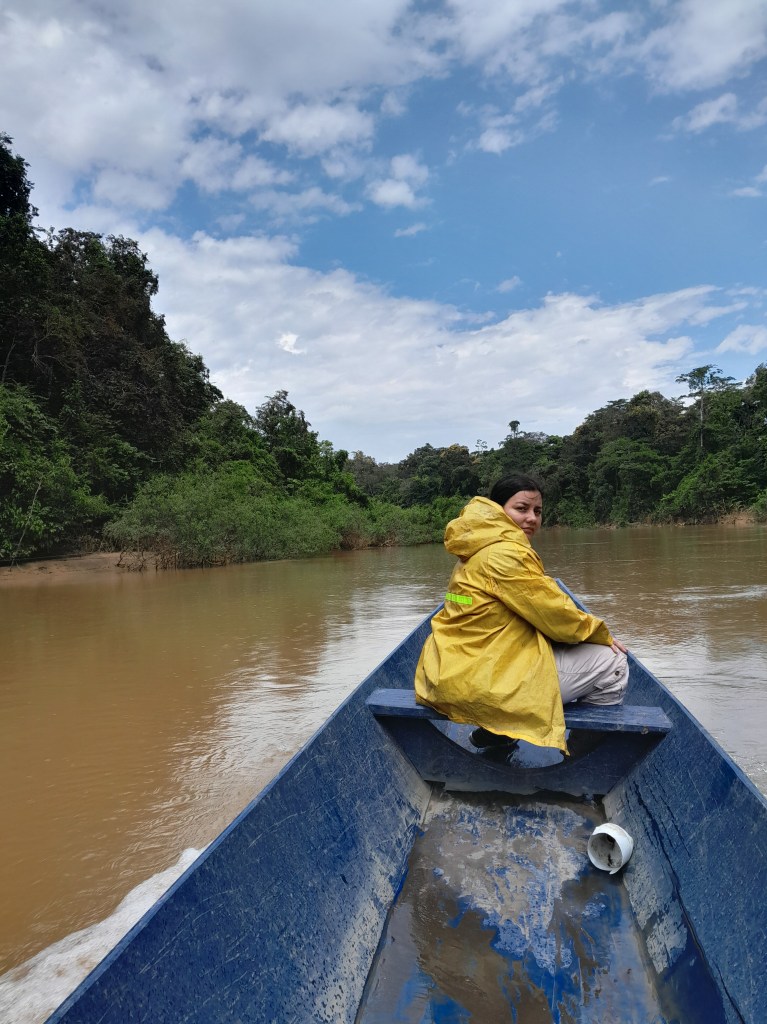
This weekend we celebrate Mother’s Day. Primates like many mammals are great at being moms, although like in humans there are variations of what a mom do for their babies. This variation goes from the ones that are not so tight to their babies because fathers take care of most of babies’ care like Brumback night monkeys and ornate titi monkeys. In the other extreme, we have mother’s that spend several years caring and protecting their babies, even when they are juveniles like in howlers, gorillas, and chimpanzees. We also have the moms who had a lot of help by living in large groups where other member of the group can help once babies get some independence like squirrel monkeys, black-capped capuchins, sometimes in howlers, tamarins, and many other primate species. Finally, we also had single moms who give everything for their babies like mouse lemurs and orangutans.
So as in humans, primate moms also had different styles and ways of care and protect their babies. We as another primate and mammal developed an instinct to protect and take care of our babies because biologically, they are an extension of us. However, we also are shaped by our social environments and member of our groups/ societies. Monkeys’ babies as human babies learn from their mothers what to it and where to find it. As in some cases babies steal from their mouth moms their food to try it for themselves. They also learn from their moms how to move and routes to move from one area to another.
When working with local communities, it is common to hear people telling stories of how monkeys moms teach their kids and even correct them when they do something considered wrong. For example, a common story is to hear people say that moms take a stick to hit their babies when they fell from tree. Although in all my years observing primates, I had never seen this, not in squirrel monkeys with which I had spent several hundred of hour, not with red howler monkeys with who I started my behavioral studies and with which I study babies’ behavior, in particular. However, it is still a common story. Probably as a reflection of how similar it is to see grow a monkey baby and a human kid.
So, in this Mother’s Day celebration, let’s celebrate also all primate mothers and their efforts and rights to see their babies grow up!!!
If you want to support our activities, please visit https://fineartamerica.com/art/xyomara+carretero or get in contact with us at xcarretero@gmail.com if you want to collaborate, donate or volunteer in our activities. You can also support our activities by buying our ornate titi monkeys stuff dolls https://www.instagram.com/p/Ctm_sEORvk8/?igshid=MzRlODBiNWFlZA== and our new journals in Amazon https://www.amazon.com/X-Carretero/dp/B0CWD1DBJM/ref=mp_s_a_1_1?
© Copyright Disclaimer. All pictures used on this web page are protected with copyrights to Xyomara Carretero-Pinzón. If you want to use any of these pictures, please leave a message on the website.
Monkey Forest Tales: How is it to fund a long-term project in Colombia?

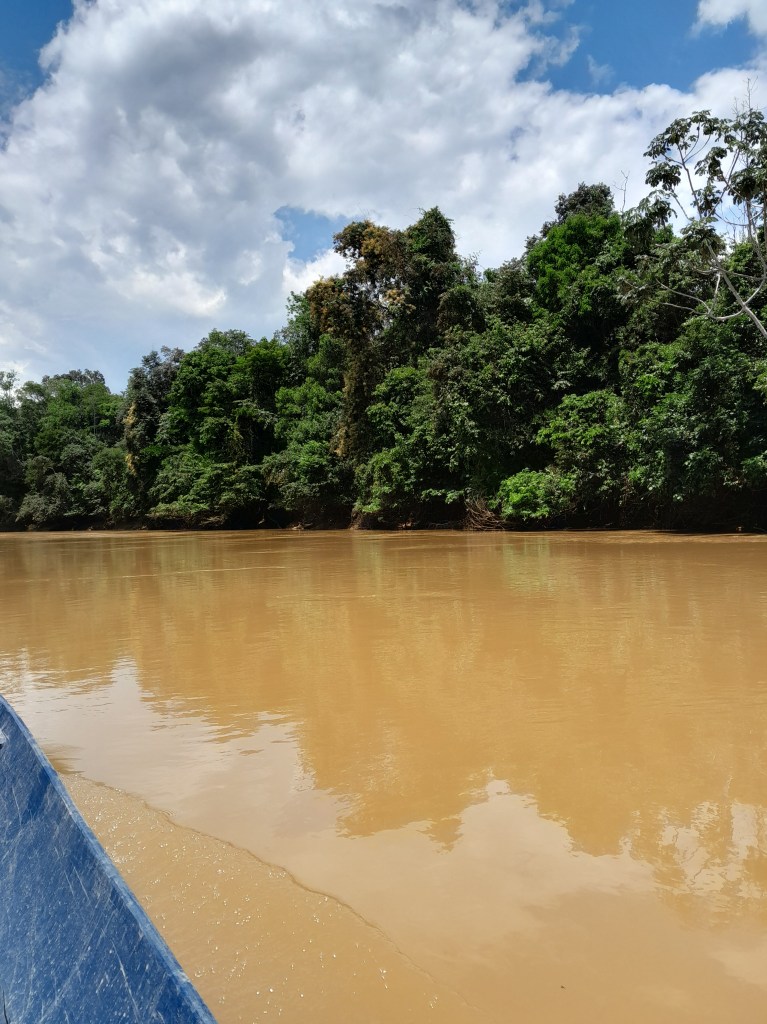
A few weeks ago, there was a twitter from a person who work/ use to work in government in Colombia asking long-term projects in Colombia to contract national professionals. What this twitter said it wasn’t bad per se, but it has a big lack of knowledge about how difficult actually is to get funding to pay salaries.What most people don’t know is that salaries are rarely cover in most grants, especially small grants that are the ones used to cover most of the expenses in long-term projects. Most long-term project manage by small NGOs where there is only one person managing all aspects of a project, not necessarily had a salary to cover this person. Actually most of the small NGOs are manage by compromised professional who loves what they do and have additional jobs to cover their basic needs. So please don’t assume that if you see a long-term project, or even most of research projects done in countries like Colombia, they had excess to money to pay salaries, especially salaries for professional biologist/ecologist. Most grants cover logistic expenses (transport, food, local people payments per day, and logging) but no salaries to cover the time spend on analyzing data, making financial and technical reports, making grant applications, making maps. All that time is free labor done by most managers and directors of smalls NGOs and research project directors. Support from governments and governmental institutions is limited and depends on political connections and specific interests and government agendas. Therefore we use international grants that doesn’t cover salaries and continue having more than one job to do science and study the organisms that we love and want to conserve. So, my advice to people wanting to do research in Colombia is to get a job in a university/ institution and work in their research projects unless you want to have more than one job and still do research in your passion. It is a reality that not anyone want to tell you while you are studying, but it is part of science reality in countries like Colombia.

If you want to support our activities, please visit https://fineartamerica.com/art/xyomara+carretero or get in contact with us at xcarretero@gmail.com if you want to collaborate, donate or volunteer in our activities. You can also support our activities by buying our ornate titi monkeys stuff dolls https://www.instagram.com/p/Ctm_sEORvk8/?igshid=MzRlODBiNWFlZA== and our new journals in Amazon https://www.amazon.com/X-Carretero/dp/B0CWD1DBJM/ref=mp_s_a_1_1?© Copyright Disclaimer. All pictures used on this web page are protected with copyrights to Xyomara Carretero-Pinzón. If you want to use any of these pictures, please leave a message on the website.

Monkey Forest Tales: Why we had so little information about Brumback nigh monkey (Aotus brumbacki)?

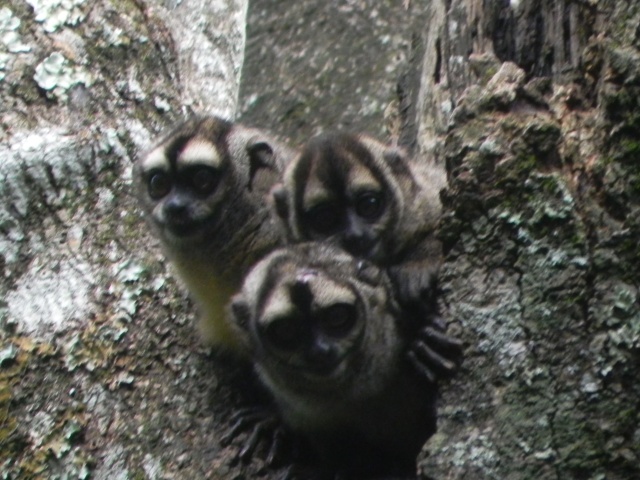
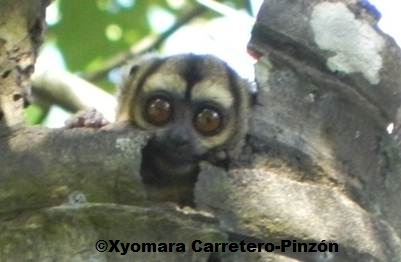
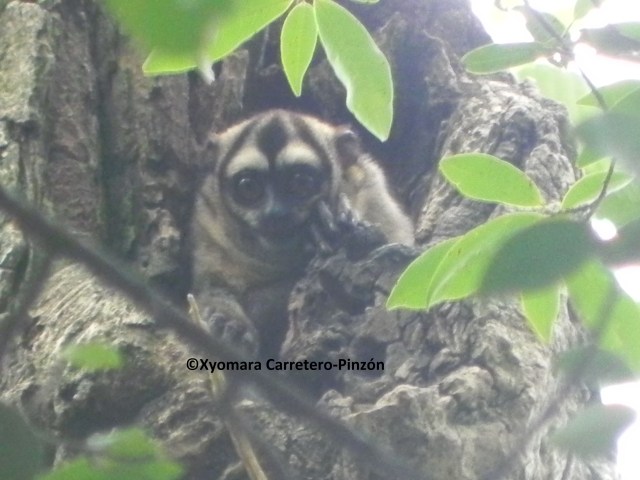
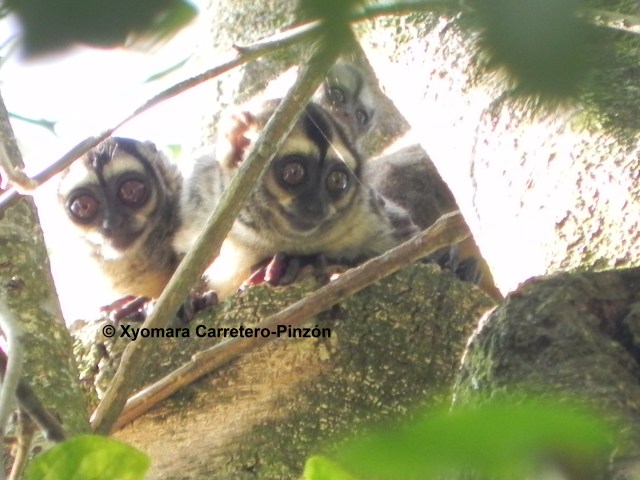
In past days, while talking about Zocay Project results, someone ask me why we had so little information about Brumback nigh monekys (Aotus brumbacki) in general. In this post we are going to talk about this species, what had been done and what is still need it to be done to better understand this nocturnal primate species of Colombian Llanos.Brumback night monkeys are one of the 11 species of nocturnal monkey from genera Aotus spp. They are distributed in the piedmont of Colombian Llanos, but its eastern limits are not clearly defined, although it seems it can go up to Orinoco River. Information about this species is limited to a few studies, an undergraduate thesis from Solano in 1995 where she reported a group’s activities, home range and daily distance, as well as a list of plants from which they feed. An anecdotal report of a female Aotus brumbacki female consumed by a group of black capped capuchins (Sapajus apella fatuellus) by Carretero-Pinzón et al (2008) and a list of plants consumed by this species in forest fragments by (Vargas et al. 2023).But why there is so few studies on this species? Well, working at night have its own challenges and it is not always easy to see them and even more difficult to follow a group of this species, and other species of nocturnal animals. Another issue is that not everyone is good to work at night and to be in the dark inside a forest, this is one of those things that trigger some of our deepest fears, which make even more challenging to work with this and similar species. Some technologies can help and may be that is something we need to explore in the near future. For now, at least, we are working on two additional studies with this species that we hope can help us to better understand and protect this species in the study area and its distribution area. Studies about this species in forest fragments are important as most of its known distribution area is located in an area that is continuously deforested, so if you like to work at night and are interested in monkeys, like hot weather and don’t feel afraid of working at night inside forest, please feel free to contact me.If you want to support our activities, please visit https://fineartamerica.com/art/xyomara+carretero or get in contact with us at xcarretero@gmail.com if you want to collaborate, donate or volunteer in our activities. You can also support our activities by buying our ornate titi monkeys stuff dolls https://www.instagram.com/p/Ctm_sEORvk8/?igshid=MzRlODBiNWFlZA== and our new journals in Amazon https://www.amazon.com/X-Carretero/dp/B0CWD1DBJM/ref=mp_s_a_1_1?© Copyright Disclaimer. All pictures used on this web page are protected with copyrights to Xyomara Carretero-Pinzón. If you want to use any of these pictures, please leave a message on the website.

Monkey Forest Tales: Celebrating 20 years of Zocay Project

One day in March of 2004, I started a small project in a cattle ranching farm, where owners wanted to know what species of monkeys were living in their forests as well as how many of them were there. What I didn’t know is that thanks to the interest of landowners of this and neighboring farms as well as nearby reserves this project will become my life research project, Zocay Project or “Proyecto Zocay” in Spanish. And this year, this project that was not only build by me, but also all the students, volunteers and collaborators, had 20 years. This project had many challenges over time but probably the best part, apart from looking at monkeys in every step, is the learning process. Since a few months after the beginning, I started to mentor undergraduate students and that had been the biggest learning lesson from this project.
I not only had learned about monkeys living in forest fragments in an amazing part of Colombia, piedmont of Colombian Llanos, but through mentoring students I had learned about myself and how I would have liked to learn myself, what things I wish I knew when I was starting this process. How to relate with different types of people, from different background and with different dreams and challenges in life. Not always was an easy process but I hope that I was able to teach and help my students in their own learning process.
This project had its lows and ups as many research projects had, especially in terms of funds, however we had been able to learn about monkeys and how they cope with forest fragmentation and other threats that they face in human transformed landscapes. This project had also taught me to see monkeys from different perspectives. I started as a natural history researcher, focus on behavior, then I focus more on the ecological aspects of their lives, focusing on what was happening in the forest fragments where they live. However, once I started to study ecology of primates living in forest fragments, I notice that monkeys move beyond forest fragments and use other landscape structures, such as living fences, isolates trees, wire fences and other human-made structures to move and find food resources. Therefore, this project also had expanded my way to see nature and how primates relate with their surroundings.
I want to thank all our supporters over the years, as well as all students, volunteers and collaborators, my advisors over the years and specially all the landowners in which this project had performed its activities in San Martin, Cumaral, and Villavicencio for all their support and for allowed me to study monkeys in their lands. Thank you all and let’s hope this project continues for more years…
If you want to support our activities, please visit https://fineartamerica.com/art/xyomara+carretero or get in contact with us at xcarretero@gmail.com if you want to collaborate, donate or volunteer in our activities. You can also support our activities by buying our ornate titi monkeys stuff dolls https://www.instagram.com/p/Ctm_sEORvk8/?igshid=MzRlODBiNWFlZA== and our new journals in Amazon https://www.amazon.com/X-Carretero/dp/B0CWD1DBJM/ref=mp_s_a_1_1?
© Copyright Disclaimer. All pictures used on this web page are protected with copyrights to Xyomara Carretero-Pinzón. If you want to use any of these pictures, please leave a message on the website.

Monkey Forest Tales: The importance of our hobbies in science careers

In today’s post I want to highlight again the importance of all our hobbies and other activities that we do outside of our science career. I had a student who is beginning his science journey and I had been thinking of all the things I would like someone had told me, when I was starting. So here I will hive you some of that advise I would like someone had given me earlier.
If you are hyper focus as I was when you start you career in scince, my first advise will be take advantage of any experience you are offer to learn about other groups different that the one you love the most, even when you are complete sure that group of organism are the ones you want to spend your life studying. Although I took advantage of being working at my university museum when I was doing my biology career, I wish I had continued this practice after. The reason for this is that in today’s job market, being too focus can limit your job opportunities, especially in a country like Colombia in which research is not well paid.
My second advise is to get yourself a second career option and this can be directly related to my previous advise. Having skills, knowledge and passion about other things outside of science, like music, painting, crafting, languages or anything else can give you additional option when life get difficult and jobs are scarce.
And finally, learn about your finances early in life, specially because science jobs are not always permanent or well paid. Some of the people I know are as lucky as me to have family support, however that is not the case and I also had seen good professionals doing not so good thing or accepting jobs with ethical issues just to have money to feed their families.
So, although I had love my career more than I can express in a world like today’s with so much competition and lack of opportunities, it is useful to had a second career or at least a hobby that you can use to make you life easy and keep your soul free of ethical issues.
If you want to support our activities, please visit https://fineartamerica.com/art/xyomara+carretero or get in contact with us at xcarretero@gmail.com if you want to collaborate, donate or volunteer in our activities. You can also support our activities by buying our ornate titi monkeys stuff dolls https://www.instagram.com/p/Ctm_sEORvk8/?igshid=MzRlODBiNWFlZA== and our new journals in Amazon https://www.amazon.com/X-Carretero/dp/B0CWD1DBJM/ref=mp_s_a_1_1?
© Copyright Disclaimer. All pictures used on this web page are protected with copyrights to Xyomara Carretero-Pinzón. If you want to use any of these pictures, please leave a message on the website.
Monkey Forest Tales: News from the field: samplings for our ornate titi monkey distribution project and Colombian squirrel monkey babies counts.

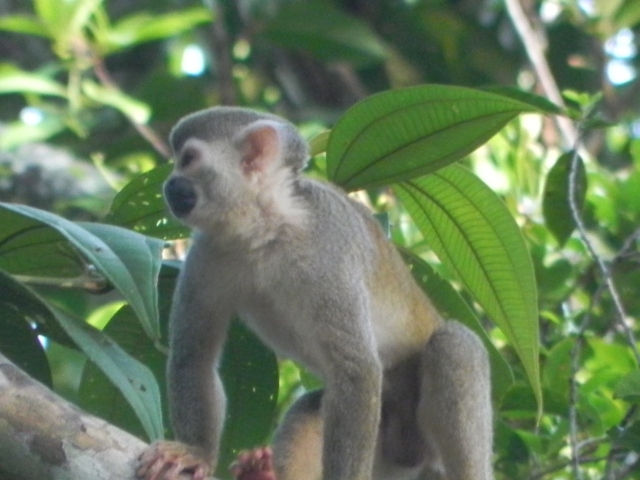
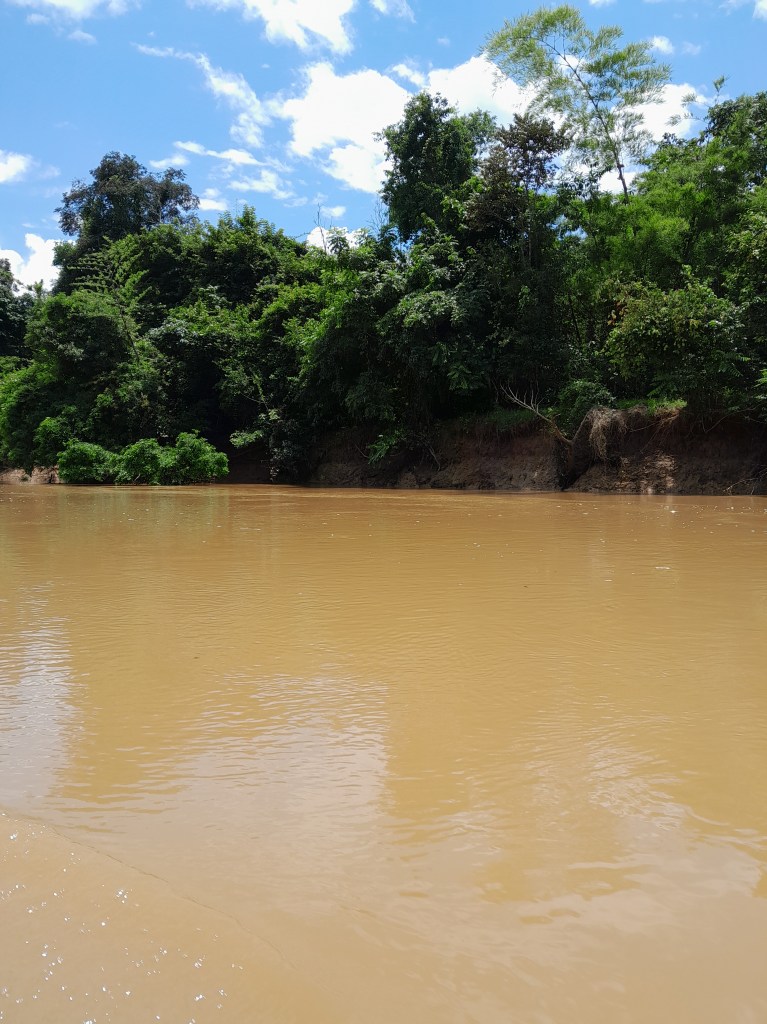
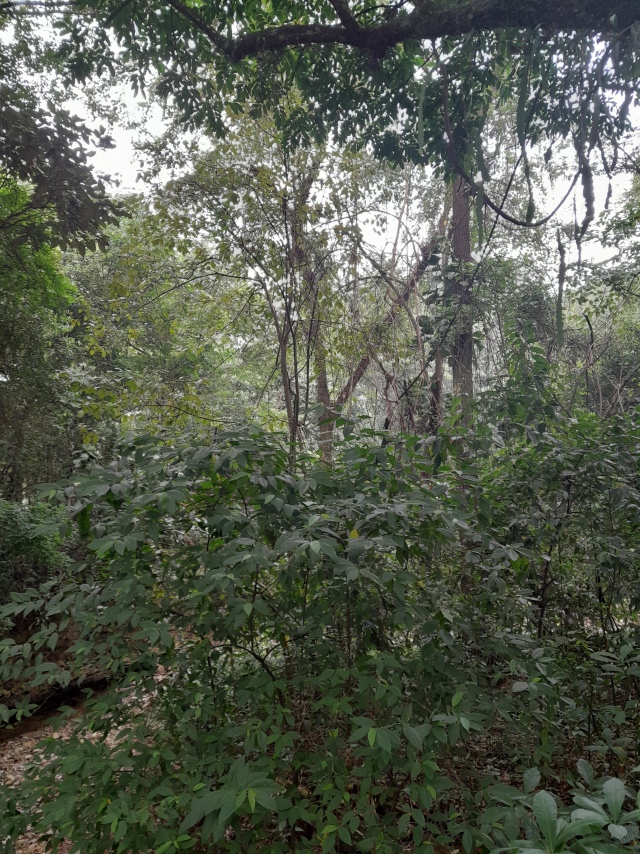
In February, we continue our annual Colombian squirrel monkeys baby counts and we started our ornate titi monkey’s distribution project samplings in Upia- Meta rivers confluence and Metica river source. Although there were just a few days of sampling, work was intense and lots of distance were covered. Deforestation on both areas is widespread and monkeys are using living fences alongside primary, secondary and tertiary roads as corridors. Colombian squirrel monkeys are still having babies, with some females with infants of around one month and other still pregnant as usual for this species, in all sites visited. Ornate titi monkeys are more elusive up to now in our samplings with some local people reporting them occasionally in some areas but not in others.
During the first month of the year, Colombian Llanos had its drier season and with El Niño phenomenon, this month all rivers in the region had very low level, making navigability very difficult and access to some forest fragments near to rivers complicated by river or land, a challenge we had to sort during this month samplings.
During this field trip we also register red howler monkeys (Alouatta seniculus), black capped capuchins (Sapajus apella fatuellus), and crab-eating fox (Cerdocyon thous) using open areas and living fences. Some prints of capybaras were also recorded on Meta riverbanks. We were also fortunate to had great people helping us with our samplings, especially Stella, Jose, Sr. Vanegas and Francisco, who support several aspects of our samplings during this month.

If you want to support our activities, please visit https://fineartamerica.com/art/xyomara+carretero or get in contact with us at xcarretero@gmail.com if you want to collaborate, donate or volunteer in our activities. You can also support our activities by buying our ornate titi monkeys stuff dolls https://www.instagram.com/p/Ctm_sEORvk8/?igshid=MzRlODBiNWFlZA== and our new journals in Amazon https://www.amazon.com/X-Carretero/dp/B0CWD1DBJM/ref=mp_s_a_1_1?dib=eyJ2IjoiMSJ9.X-DZnsRxEDXfTBPZsuG4GiwWwBCqmoeCJ_WW-bEm_Z85wKyUyBvy76iMm0z4k4oY9YD81Pz4e_ZYHYz8QK7T3BNo_mX6d-Mo7FroQLkxo6yy0k6KPwMjP8GC27PVXa-39FSo87QCzagOOnEgz-IfS8ADg0gEc9feWAkXyRNpRpuqWEv9qnKE2ALCzsyAt4aM0O-PM4L6U1PSn1neUX7axw.vI1S0GofRHMSCqMV41jOdEmaxXHCJCHL6ya-uAHsxTo&dib_tag=se&keywords=X.+Carretero+Journal&qid=1709327306&sr=8-1
© Copyright Disclaimer. All pictures used on this web page are protected with copyrights to Xyomara Carretero-Pinzón. If you want to use any of these pictures, please leave a message on the website.
Monkey Forest Tales: Women and girls in science celebration day

On February 11th it was women and girls in science celebration day, a day to increase awareness to all the wonderful girls and women who through our lives and history had make an impact in the world for us to be able to be whatever we want to be. Something that we usually don’t say, or at least I rarely said it, is that most of us who live the life we always dream to live, probably have a mother or some family member who overcome a lot of challenges and showed us that whatever was possible if you try it. So, thank you mom and aunt Julia for showing me that if I wanted I can get it, despite all the challenges life put in your way.
Over the years, several women and sometimes little girls had incentivized me to be better in what I do. Most of them had been students, volunteers, and colleagues of different ages and at different stages in their careers and life. But all of them have something in common, a certain combination of curiosity and fire for do anything possible to make their dreams come true. Curiosity to try and ask questions that other didn’t and a tenacity to continue despite many people telling them they cannot do it.
I had also been lucky to have many men in my life who supported me over the years and give me enough confidence to be able to do what I love the most in life, work with monkeys!! Starting with my father and then all my academic advisor who had been all man. To all of them thank you too.
Now that I had mention people who had inspired me and supported me, my message to all the girls and young women who dream to work in science is first to surround yourself with people who support you and motivate you, fine passion inside and outside of you, don’t give up and even when times looks a bit dark, there is always something or someone who appears in your life in the right moment. And finally, something that I hear once from Jane Goodall, “you’ll have to work hard, take advantage of opportunities and never give up” something that her mother told her when she was a little girl and tell her she wanted to go to Africa. This phrase had resonated with me over the years and that is why I still do what I love (see monkeys in their habitat, in case you had forgotten), even when sometimes it looks that I will need to give up, something appears, or someone gives me a hand an offers me a new opportunity that in some way keep me going.
Finally, to all students, volunteers and colleagues who had share part of your life with me, thank you for helping me to keep going…Happy Girls and Women in Science Day!!!
If you want to support our activities, please visit https://fineartamerica.com/art/xyomara+carretero or get in contact with us at xcarretero@gmail.com if you want to collaborate, donate or volunteer in our activities. You can also support our activities by buying our ornate titi monkeys stuff dolls https://www.instagram.com/p/Ctm_sEORvk8/?igshid=MzRlODBiNWFlZA==
© Copyright Disclaimer. All pictures used on this web page are protected with copyrights to Xyomara Carretero-Pinzón. If you want to use any of these pictures, please leave a message on the website.