
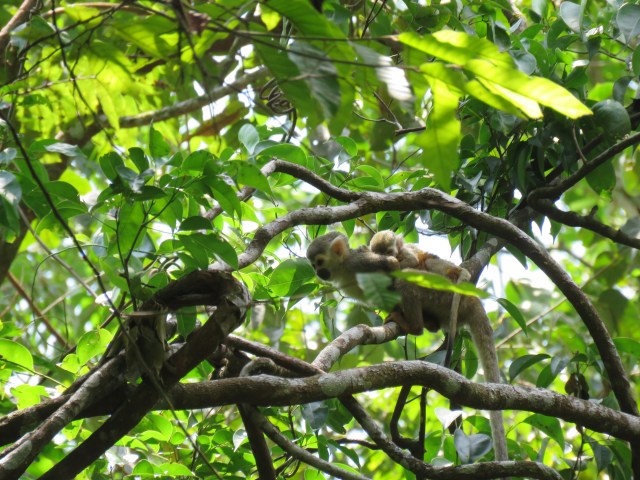
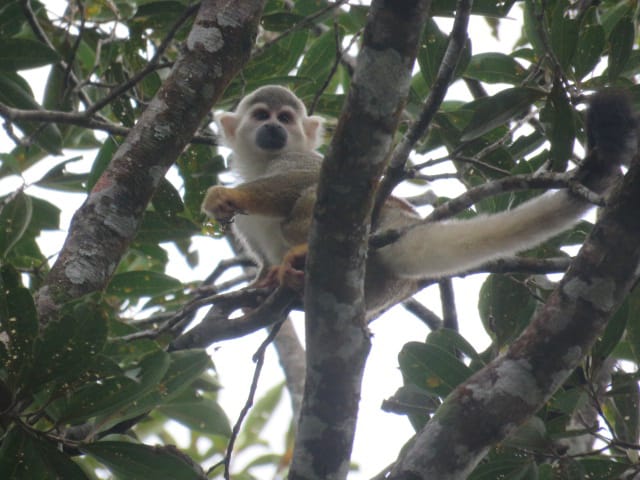
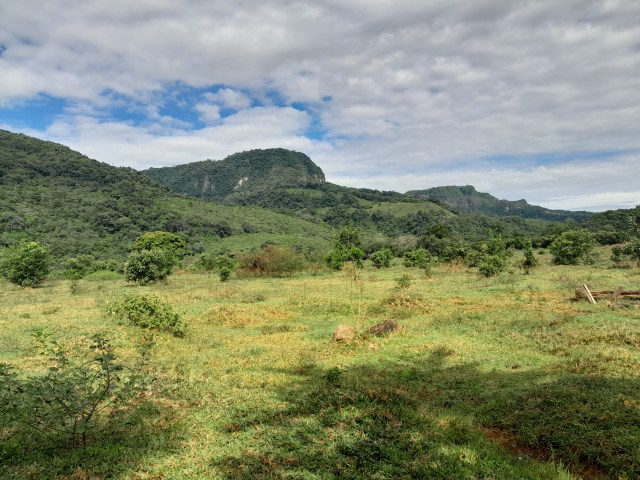
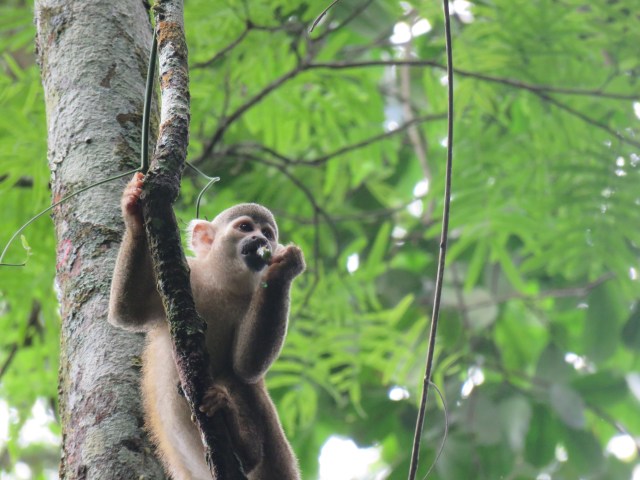
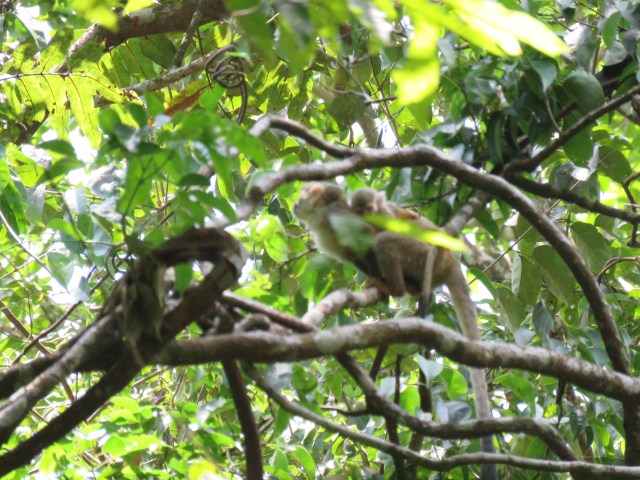
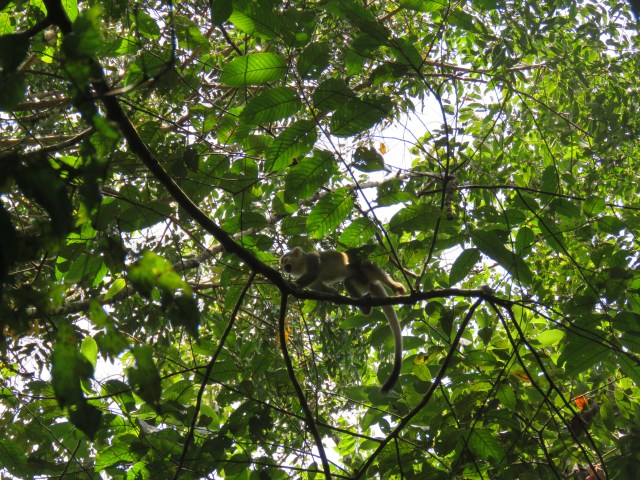
On today’s post, we continue con our series of publications resulting from our work in Zocay Project study area over the past 21 years. Today’s post is about a collaborative article, my first article, about the taxonomy and conservation status of the Colombian squirrel monkeys when it was still classified as an endemic subspecies (Saimiri cassiquiarensis albigena) based on demographic, population and genetics data. This article is based on data collected in the Project Zocay area where Colombian squirrel monkeys had been observed for several years. In this article we suggest that Colombian squirrel monkey’s conservation status was changed from near threatened to vulnerable due to an estimated reduction in their populations and geographic distribution area (A2a, b and B1 a, b (ii,iii and iv)). Additionally, we suggested, based on comparative studies of 1140 base pairs of the cytochrome b mitochondrial gene of 38 Saimiri specimens of nine different taxa, that the Colombian taxa could be considered subspecies of Saimiri cassiquiarensis (not S. sciureus as was believed), all showing similar haplotypes that are different from Saimiri sciureus sciureus of the eastern Amazon. An alternative arrangement could place the three Colombian taxa north of the Río Amazonas — albigena, macrodon, and cassiquiarensis — as full species. This last alternative arrangement had been suggested more recently by other authors (Rylands et al 2024). Although it had been more than a decade since this article was published, it is important to highlight that in areas where habitat is constantly changing due to human activities, conservation status of endemic species and/ or subspecies should be assessed periodically to detect additional threats or the increase of previously detected threats.
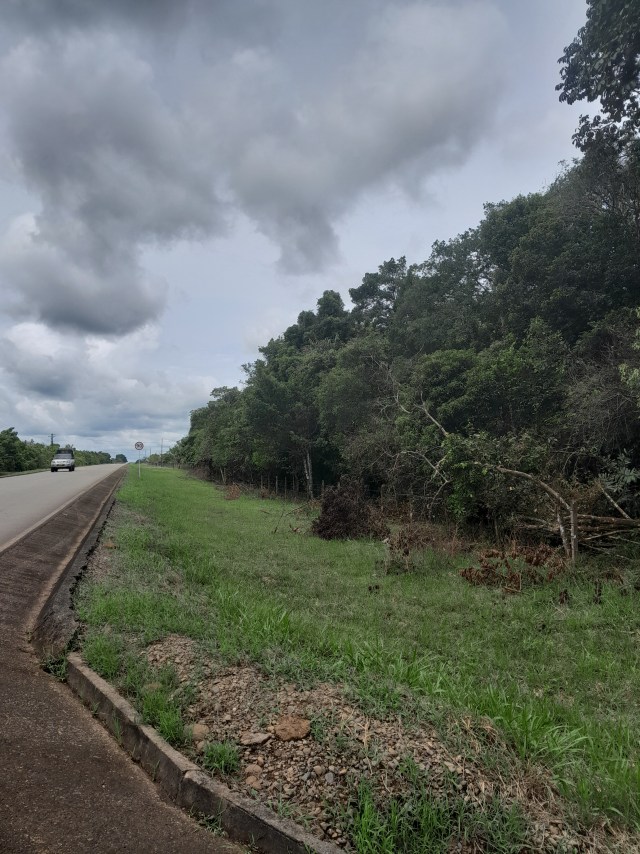
This is the reason why from last year, Zocay Project had been doing a more extensive revision of the conservation status and distribution of the endemic Colombian squirrel monkeys, a project supported by Rewild, that is in their final fieldwork season. In highly fragmented areas it is important that we monitor populations of endemic subspecies and/or species before we have to classify them as endangered or critically endangered or even as extinct. Funding to study this species and/or subspecies should not be delayed until the species had reach an Endangered or Critically Endangered status, we should be able to take actions before that, so we can save them from extinction and manage more effectively the cost of conserving them.
Un artículo colaborativo sobre la taxonomía y conservación del mono ardilla colombiano
En este blog, continuamos con nuestra serie de publicaciones resultado de nuestro trabajo en el área de estudio del Proyecto Zocay por los últimos 21 años. El blog de hoy es acerca de un artículo colaborativo, mi primer artículo, sobre la taxonomía y estado de conservación del mono ardilla colombiano cuando era clasificado como una subespecie endémica (Saimiri cassiquiarensis albigena) basado en datos demográficos, poblacionales y genéticos. Este artículo se basa en datos colectados en el área de estudio del Proyecto Zocay donde el mono ardilla colombiano ha sido observado por varios años. En este artículo sugerimos que el estado de conservación del mono ardilla colombiano fuera cambiado de casi amenazado a vulnerable debido a una reducción estimada de sus poblaciones y área geográfica de distribución (A2a, b y B1 a, b (ii,iii y iv)). Adicionalmente, sugerimos, basados en estudios comparativos de 1140 pares de bases del gen mitocondrial citocromo b de 38 especímenes de Saimiri de nueve taxa diferentes que el mono ardilla colombiano fuera considerado una subespecie de Saimiri cassiquiarensis (no de S. sciureus como se creía en ese momento), todos mostrando haplotipos similares que son diferentes de los de Saimiri sciureus sciureus del oriente del Amazonas. Un arreglo alternativo puede ser colocar los tres taxa colombianos del norte del Río Amazonas — albigena, macrodon y cassiquiarensis — como especies separadas. Este último arreglo ha sido sugerido más recientemente por otros autores (Rylands et al 2024). Aunque ha pasado más de una década desde que este artículo fue publicado, es importante resaltar que en áreas donde el hábitat es continuamente cambiante debido a actividades humanas, el estado de conservación de las subespecies y/o especies debe ser evaluado periódicamente para detectar amenazas adicionales o el incremento de las amenazas previamente detectadas.
Esta es la razón del porque desde el año pasado el Proyecto Zocay está haciendo una revisión más extensiva del estado de conservación y distribución del mono ardilla colombiano endémico, un proyecto apoyado por Rewild, que está en su fase de campo final. En áreas altamente fragmentadas es importante que monitoreemos las poblaciones de especies y/o subespecies endémicas antes de tener que clasificarlas como en estado de En Peligro o Críticamente Amenazadas o incluso Extintas. La financiación para estudiar estas especies y/o subespecies no debería retrasarse hasta que las especies alcancen el estado de En Peligro o Críticamente Amenazadas, deberíamos ser capaces de tomar acciones antes de eso, de forma que podamos salvarlas de la extinción y manejar más efectivamente el costo de conservarlas.
If you want to support our activities, please visit https://fineartamerica.com/art/xyomara+carretero or get in contact with us at xcarretero@gmail.com if you want to collaborate, donate or volunteer in our activities. You can also support our activities by buying our ornate titi monkeys stuff dolls https://www.instagram.com/p/Ctm_sEORvk8/?igshid=MzRlODBiNWFlZA== and our new journals in Amazon https://www.amazon.com/X-Carretero/dp/B0CWD1DBJM/ref=mp_s_a_1_1?© Copyright Disclaimer. All pictures used on this web page are protected with copyrights to Xyomara Carretero-Pinzón. If you want to use any of these pictures, please leave a message on the website or contact xcarretero@gmail.com

 zocayproject