
Monkey Forest Tales: news from the field: squirrel monkeys and more

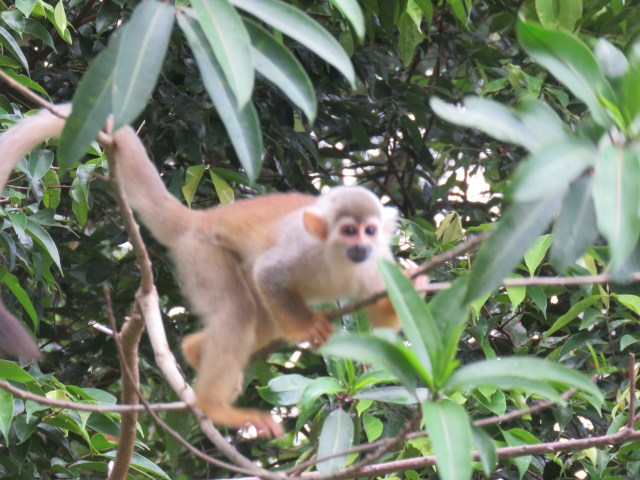
In today’s post we are talking about the new project we are starting this year to review the distribution and habitat available for the Colombian squirrel monkey (Saimiri albigena) and its limits with the Humboldt’s squirrel monkeys (Saimiri cassiquiarensis). Colombian squirrel monkeys is a Vulnerable species that live in large groups with several females, males, juveniles and babies. In this new project we are recording locations of the two squirrel monkey’s species in mostly all the departments in which Colombian squirrel monkeys live, except by Arauca department.

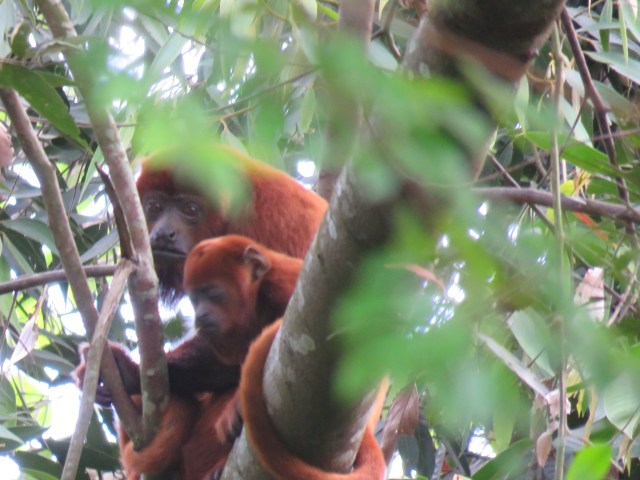
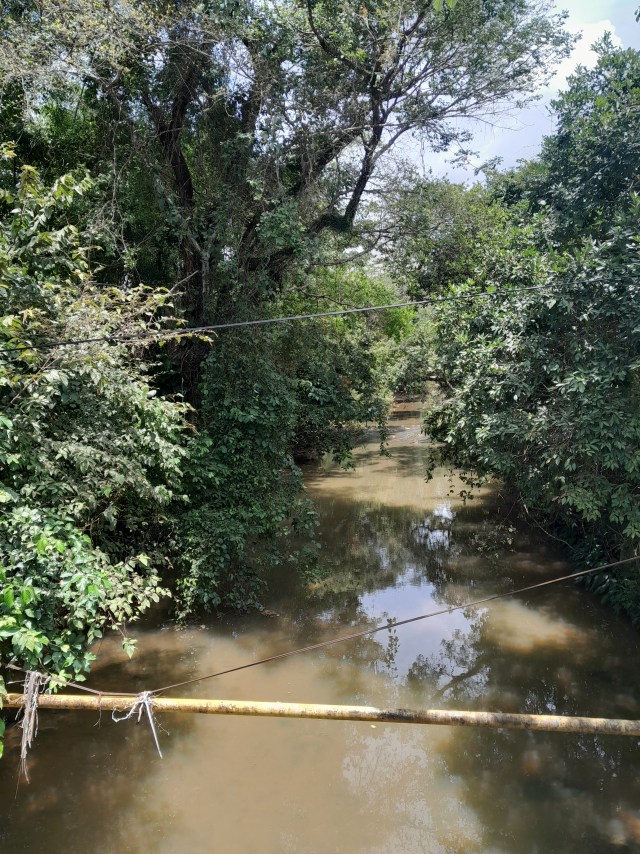
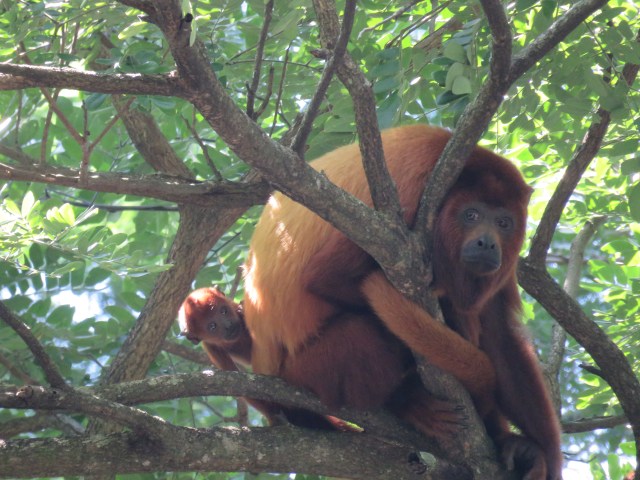
Our first sampling was in Casanare department, where road census takes us to new areas, sees interesting landscapes and we discover new things. Red howler monkeys (Alouatta seniculus) give us surprises as they have small babies, and squirrel monkeys give us new data. New areas are always exciting as we discover new possibilities. It’s also a challenging project where new threats appear and very long sampling hours in the sun and rain.

Despite the long hours, fieldwork is always rewarding and gives me more questions than answers, which is what I love about science. Science is about curiosity and asking questions about the things and patterns we saw, and fieldwork never disappoint me on that…so for now more questions are arising and hopefully some answers in the process.

We also had the opportunity to meet incredible people from a private reserve “La Reserva” in Barranca de Upia, where howler monkeys and squirrel monkeys allow us to see them and black-capped capuchins just let us hear them. A reserve with an incredible process of natural regeneration that is starting to attract birds and monkeys and giving them more need it habitat.

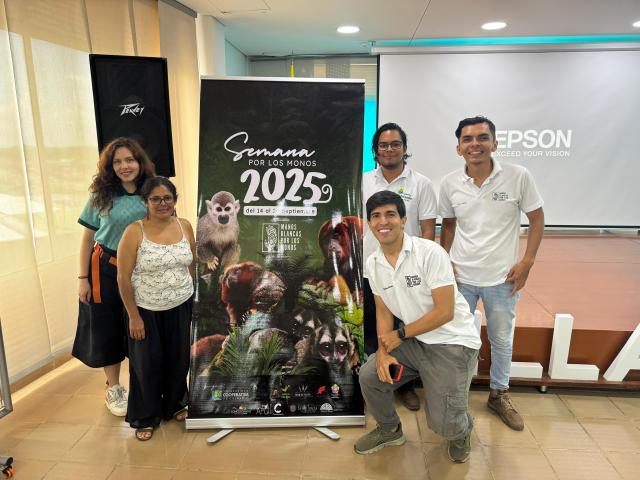
We continue with our monitoring of squirrel monkeys in Villavicencio as we see babies born this year to grow up…and we had the opportunity to present our work in a local forum organized by a local NGO where several organizations share their results with a general public, including school students.

If you want to support our activities, please visit https://fineartamerica.com/art/xyomara+carretero or get in contact with us at xcarretero@gmail.com if you want to collaborate, donate or volunteer in our activities. You can also support our activities by buying our ornate titi monkeys stuff dolls https://www.instagram.com/p/Ctm_sEORvk8/?igshid=MzRlODBiNWFlZA== and our new journals in Amazon https://www.amazon.com/X-Carretero/dp/B0CWD1DBJM/ref=mp_s_a_1_1?© Copyright Disclaimer. All pictures used on this web page are protected with copyrights to Xyomara Carretero-Pinzón. If you want to use any of these pictures, please leave a message on the website or contact xcarretero@gmail.com
Monkey Forest Tales:

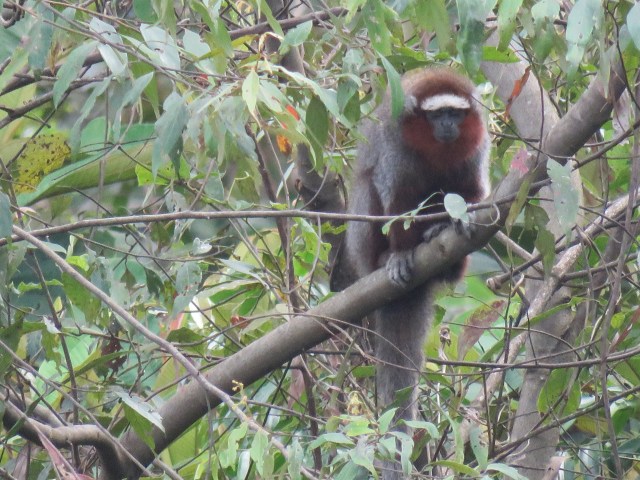
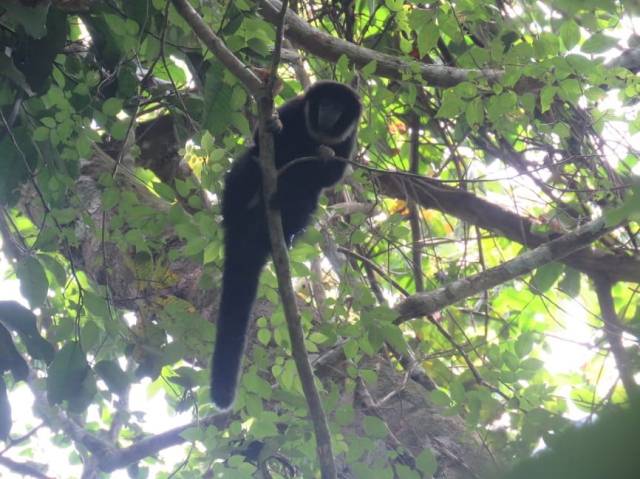
The past September 1rst we celebrate International Primate Day, a day to raise awareness about the importance of this charismatic and important group of mammals of which we are part. Every time there is an environmental celebration day my mind reflects on how much we have done to really raise awareness about a specific environmental topic. This week was similar and I was reflecting on my personal work and how much impact I had made through Proyecto Zocay to raise awareness about all the primate species that share our planet with us, but especially the ones in my study area… and I have to recognize that there is still too much to do and so much to learn from them…

In a world in which all our activities impact the lives of so many primates around us and how they found strategies to adapt to the challenges they face by living close to us, it is also inevitable that we found conflict between humans and primates…For me is always challenging to mediate those conflicts, especially when I know the behavior monkeys does, like crop feeding is just their strategy to compensate for the loss of resources in an area caused by deforestation. However, I also understand the frustration and need local people in areas close to forest have to growth their crops to eat and get financial resources for their lives. For me it is always a difficult situation that requires understanding and empathy for both people and monkeys…

Despite all the efforts around the world to protect primates, most of the species are threatened in some way due to our economic activities and it seems the actions we are taking are not enough or not at a speed enough to allow many species to recover. So, what else we can do… I guess keep trying and do the best we can for the primates living near to us, even if that sometimes looks like it is not enough. Keep raising awareness and keep educating others about how smart and important primates are for our forest. Talking about their threats and searching for solutions together is part of raising awareness about primates’ conservation, support research so we understand better how they relate with their environment and how they behave and keep sharing the stories of the people working with and for them…

If you want to support our activities, please visit https://fineartamerica.com/art/xyomara+carretero or get in contact with us at xcarretero@gmail.com if you want to collaborate, donate or volunteer in our activities. You can also support our activities by buying our ornate titi monkeys stuff dolls https://www.instagram.com/p/Ctm_sEORvk8/?igshid=MzRlODBiNWFlZA== and our new journals in Amazon https://www.amazon.com/X-Carretero/dp/B0CWD1DBJM/ref=mp_s_a_1_1?© Copyright Disclaimer. All pictures used on this web page are protected with copyrights to Xyomara Carretero-Pinzón. Copyrights of pictures in this blog post belongs to Francisco Gomez and Xyomara Carretero-Pinzón. If you want to use any of these pictures, please leave a message on the website or contact xcarretero@gmail.com