In today post, we are going to talk about the necessity to be persistent and motivated in science to make research. Some months ago, talking with past students who are now trying to implement their own projects, we were discussing about how difficult it is to live from science when you have your own project. Also, a recent twitter from a person who finish a PhD and return to Colombia and who had difficulties to do research due to lack of funding, also make me think about all the difficulties that we have doing science in Colombia. It is true that is difficult and there not many job opportunities and even less grants.I think that one of the reasons why I had been able to do research in Colombia is because I had been able to live from other sources apart from biology jobs, although I had private and public sector jobs in biology, my main income had not been from my career. My way of keep me motivated had always been able to go and see monkeys in the field and I’m grateful with farm owners in my study area who had allowed me to do it at a lower cost.However, probably what make this project, Zocay Project, a long-term project apart from landowner’s support is that I had funds from time to time from Colombian and International grants that allowed me to spend time in the field working with monkeys. It hasn’t been easy, and my persistence had been rewarded. We all have been rejected from grant applications and jobs and what is difficult to do is to apply again after a rejection. There is a lot of techniques and books/articles talking about how to recover from rejections in many aspects of your live, however it is always difficult to do it. Not only because of the individual pressure that each of us put on ourselves after a rejection but also because sometimes it is difficult to see what our applications was lacking? To me each rejection had different phases, starting with disappointing and in some cases anger because I don’t get the grant/ job despite all my efforts. So, I usually take a few days or weeks before looking those applications again. It is a lot of effort and time to make every application, so you really need to be motivated and be persistent to be able to finish them. Another cost of living from research that is rarely discuss apart from low income is what that low income represents if you have a family or not. Live cost is high everywhere and we all need money to at least cover our basic needs. Unfortunately, most grants don’t cover salaries, and some allow you only small stipends for principal researchers, so it is difficult if you don’t have additional income to live from science in Colombia and other countries. This also means you need to have administrative and finance skills that usually biologist don’t have. You need to be willing to make sacrifices and your family needs to be willing to help you with that. So, there are many factors influencing your motivation and your ability to be persistent while you do what you love. I have been lucky in many ways…So, if you want to live from research and you don’t have a research job in which you can develop projects you love, you will need a lot of motivation, mind flexibility and persistence to be able to apply to many grants every year, be organized so those grants you get cover everything you need to do your research and don’t forget to always ask for at least small stipends for you as a principal researcher when possible. Finally, don’t forget to exploit all the other skill you have outside of research and don’t worry about what other people say because you are working in different things apart from your career. There will always be people who criticizes your way of doing things.
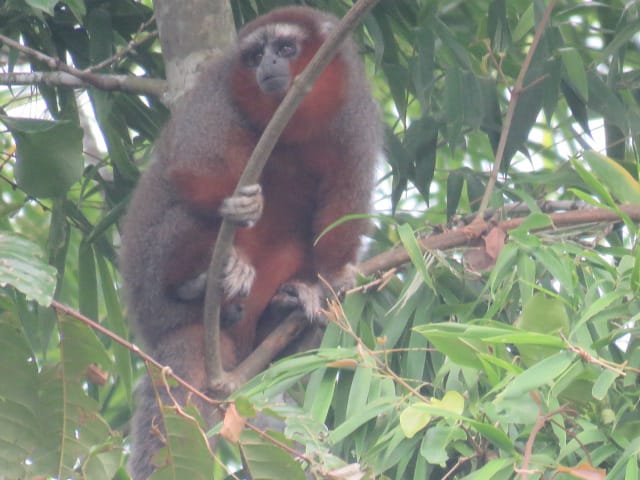
If you want to support our activities, please visit https://fineartamerica.com/art/xyomara+carretero or get in contact with us at xcarretero@gmail.com if you want to collaborate, donate or volunteer in our activities. You can also support our activities by buying our ornate titi monkeys stuff dolls https://www.instagram.com/p/Ctm_sEORvk8/?igshid=MzRlODBiNWFlZA== and our new journals in Amazon https://www.amazon.com/X-Carretero/dp/B0CWD1DBJM/ref=mp_s_a_1_1?© Copyright Disclaimer. All pictures used on this web page are protected with copyrights to Xyomara Carretero-Pinzón. Pictures in this post were taken by Francisco Gomez. If you want to use any of these pictures, please leave a message on the website or contact xcarretero@gmail.com
 zocayproject