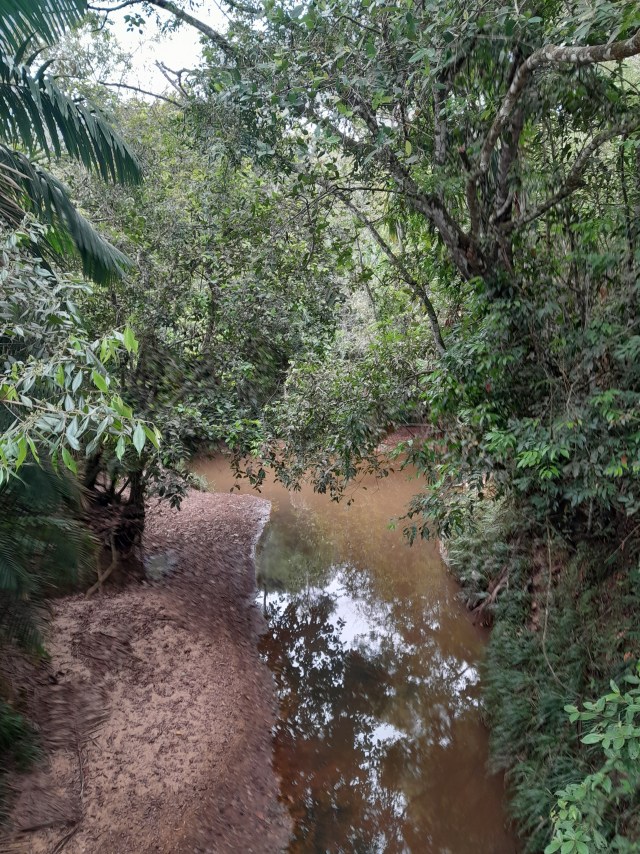
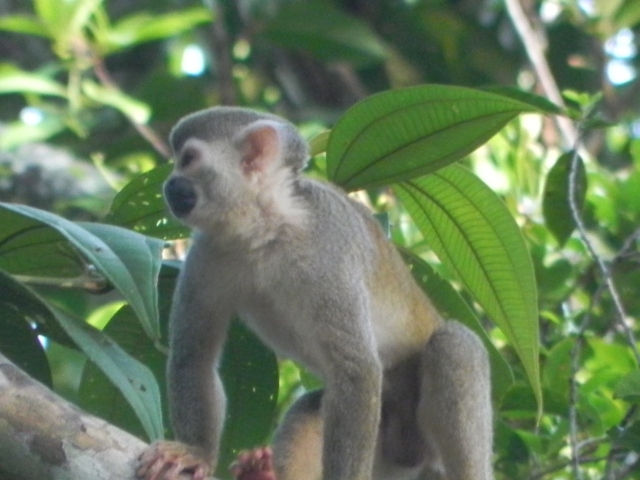
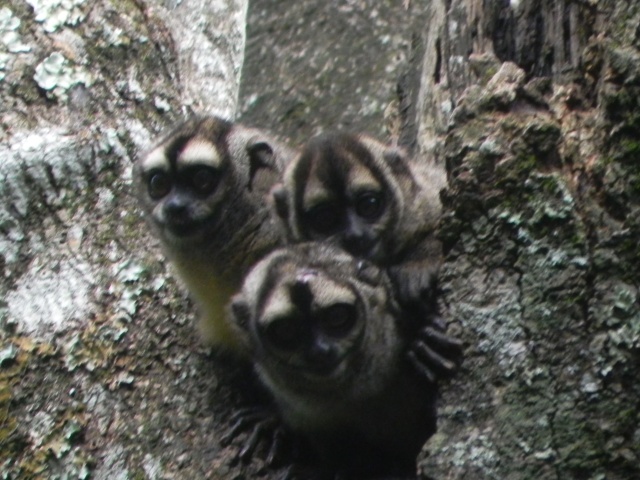
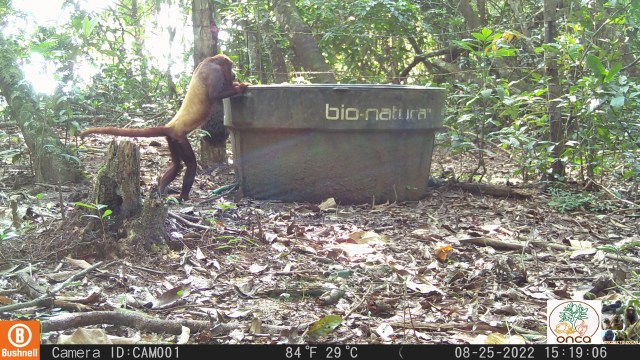
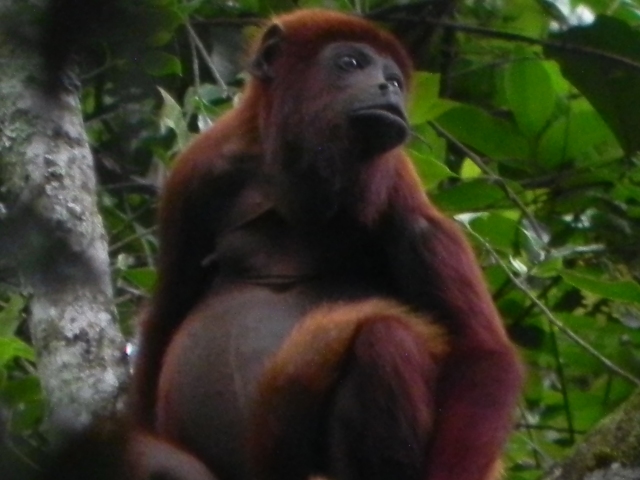
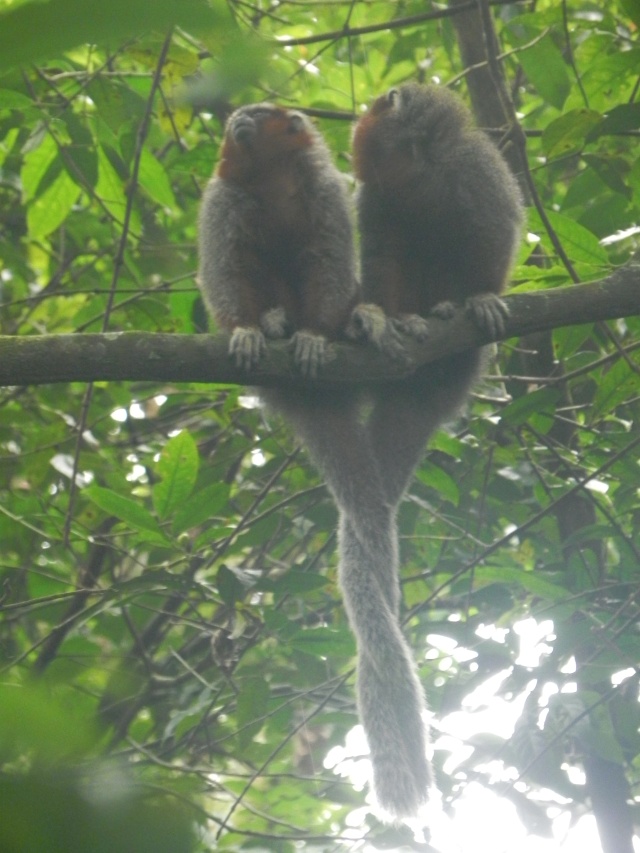

One day in March of 2004, I started a small project in a cattle ranching farm, where owners wanted to know what species of monkeys were living in their forests as well as how many of them were there. What I didn’t know is that thanks to the interest of landowners of this and neighboring farms as well as nearby reserves this project will become my life research project, Zocay Project or “Proyecto Zocay” in Spanish. And this year, this project that was not only build by me, but also all the students, volunteers and collaborators, had 20 years. This project had many challenges over time but probably the best part, apart from looking at monkeys in every step, is the learning process. Since a few months after the beginning, I started to mentor undergraduate students and that had been the biggest learning lesson from this project.
I not only had learned about monkeys living in forest fragments in an amazing part of Colombia, piedmont of Colombian Llanos, but through mentoring students I had learned about myself and how I would have liked to learn myself, what things I wish I knew when I was starting this process. How to relate with different types of people, from different background and with different dreams and challenges in life. Not always was an easy process but I hope that I was able to teach and help my students in their own learning process.
This project had its lows and ups as many research projects had, especially in terms of funds, however we had been able to learn about monkeys and how they cope with forest fragmentation and other threats that they face in human transformed landscapes. This project had also taught me to see monkeys from different perspectives. I started as a natural history researcher, focus on behavior, then I focus more on the ecological aspects of their lives, focusing on what was happening in the forest fragments where they live. However, once I started to study ecology of primates living in forest fragments, I notice that monkeys move beyond forest fragments and use other landscape structures, such as living fences, isolates trees, wire fences and other human-made structures to move and find food resources. Therefore, this project also had expanded my way to see nature and how primates relate with their surroundings.
I want to thank all our supporters over the years, as well as all students, volunteers and collaborators, my advisors over the years and specially all the landowners in which this project had performed its activities in San Martin, Cumaral, and Villavicencio for all their support and for allowed me to study monkeys in their lands. Thank you all and let’s hope this project continues for more years…
If you want to support our activities, please visit https://fineartamerica.com/art/xyomara+carretero or get in contact with us at xcarretero@gmail.com if you want to collaborate, donate or volunteer in our activities. You can also support our activities by buying our ornate titi monkeys stuff dolls https://www.instagram.com/p/Ctm_sEORvk8/?igshid=MzRlODBiNWFlZA== and our new journals in Amazon https://www.amazon.com/X-Carretero/dp/B0CWD1DBJM/ref=mp_s_a_1_1?
© Copyright Disclaimer. All pictures used on this web page are protected with copyrights to Xyomara Carretero-Pinzón. If you want to use any of these pictures, please leave a message on the website.
zocayproject
Long-term monitoring of primates in Colombian Llanos, research opportunities and some forest stories

 zocayproject