
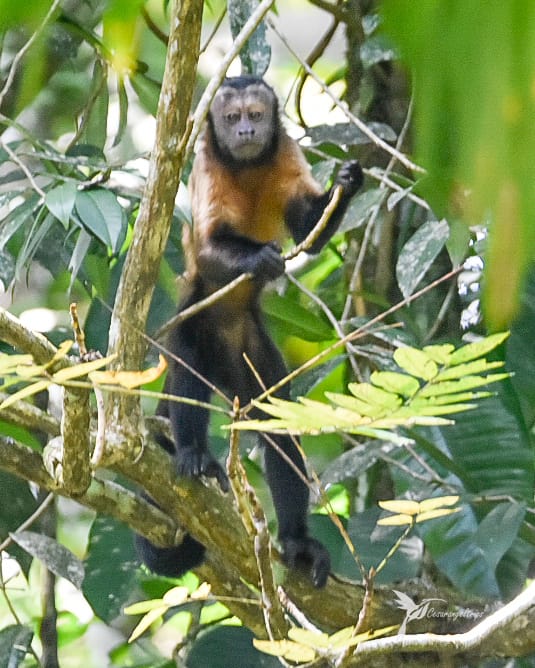
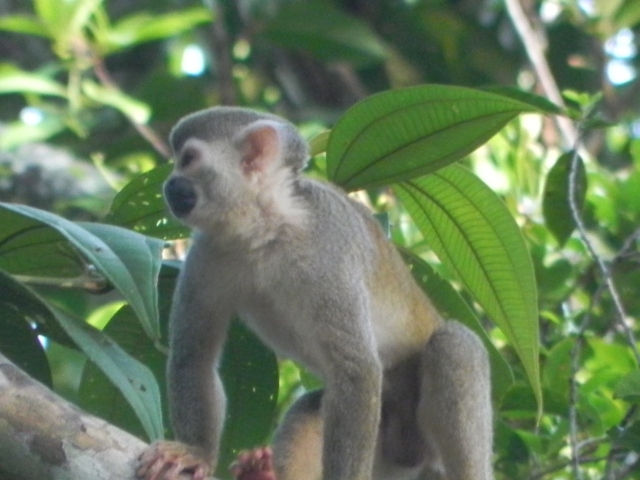
As we mentioned before Zocay Project is doing new collaborations and reinforcing some of its field areas of study. As part of our new collaborations, we visit Zocay Land (Tierra del Zocay) a series of community owned sites that through nature tourism are trying to reduce deforestation and protect forest remnants where dusky titi monkeys (Plecturocebus ornatus) lives.
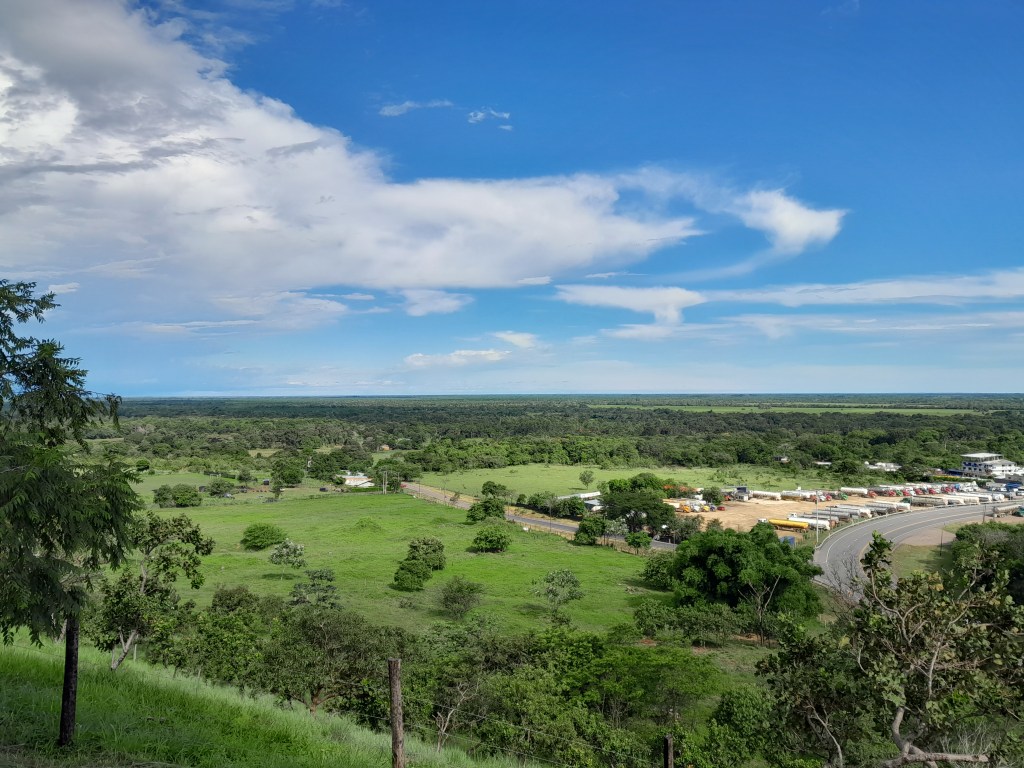
Despite of how deforested the whole area is, mainly because cattle ranching and agriculture, especially in the past decades, there are still some forest remnants close to Macarena mountain range. However, if deforestation rates continues as in the past two years it is possible that dusky titi monkeys can disappear despite their resilience and adaptation to live in secondary forest.
Zocay Land (Tierra del Zocay) is not only an alternative to wonderful people strongly hit by violence that are changing their ways of life but also an opportunity for the biodiversity in the region.
This region is particularly important because it is close to two National Parks, Tinigua and Serranía de la Macarena, which are the only two National Parks in which dusky titi monkeys can be found.
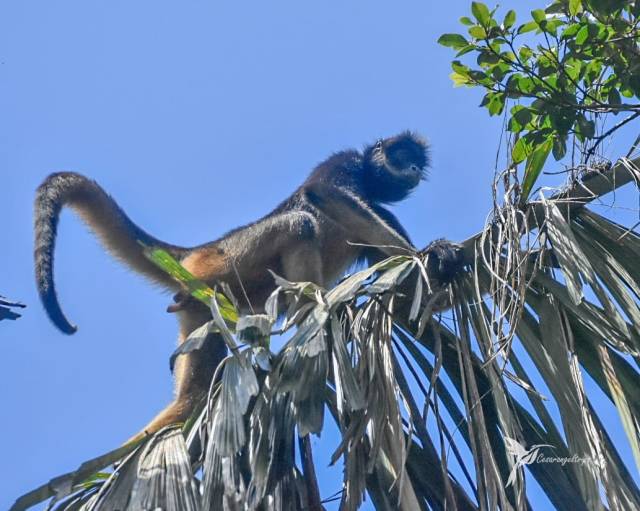
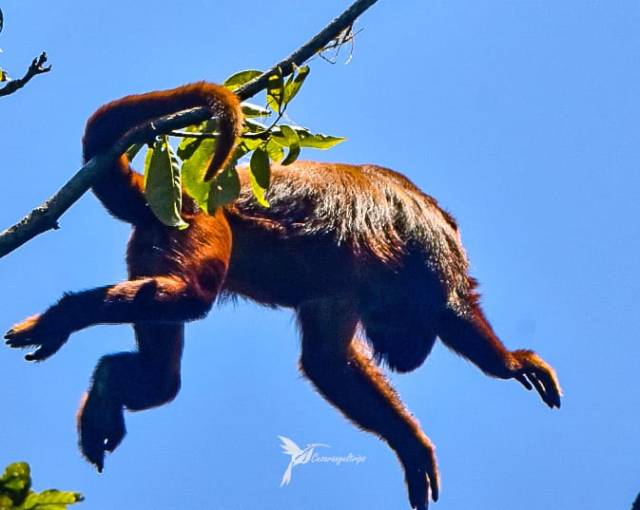
For me this visit was full of memories of my beginnings studying monkeys at Tinigua National Park and a gift because I was able to see spider monkeys (Ateles belzebuth) after a decade.
Walks were easy and we were fortunate to have sunny days all the time. There are beautiful cascades and rivers to see in the area (although we didn’t visit any cascades, we will try in our next visit). Forest in la Corcovada farm and Santo Domingo are in a good conservation state. Beautiful murals with monkey’s paintings and a delicious chocolate are found in la pielroja farm and comfortable loggings at Palmarum Lodge and la corcovada farm will give you incredible resting nights
So if you love nature tourism visit Zocay Land (Tierra del Zocay) and support local communities to protect dudky titi monkeys habitat for future generations: @cesarangeltrips, @finca.lapielroja, @palmarumlodge, @lacorcovada
If you want to support our activities, please visit https://fineartamerica.com/art/xyomara+carretero or get in contact with as at xcarretero@gmail.com if you want to collaborate, donate or volunteer in our activities
© Copyright Disclaimer. All pictures used on this web page are protected with copyrights to Xyomara Carretero-Pinzón. If you want to use any of these pictures, please leave a message on the website. Thank you. This post have pictures from Cesar Angel, please contact him to use his pictures.
 zocayproject